Do You Charge Sales Tax on Microgreens? State-by-State Answers
Cal HewittPublished Checked
- selling microgreens
- business planning
- licensing
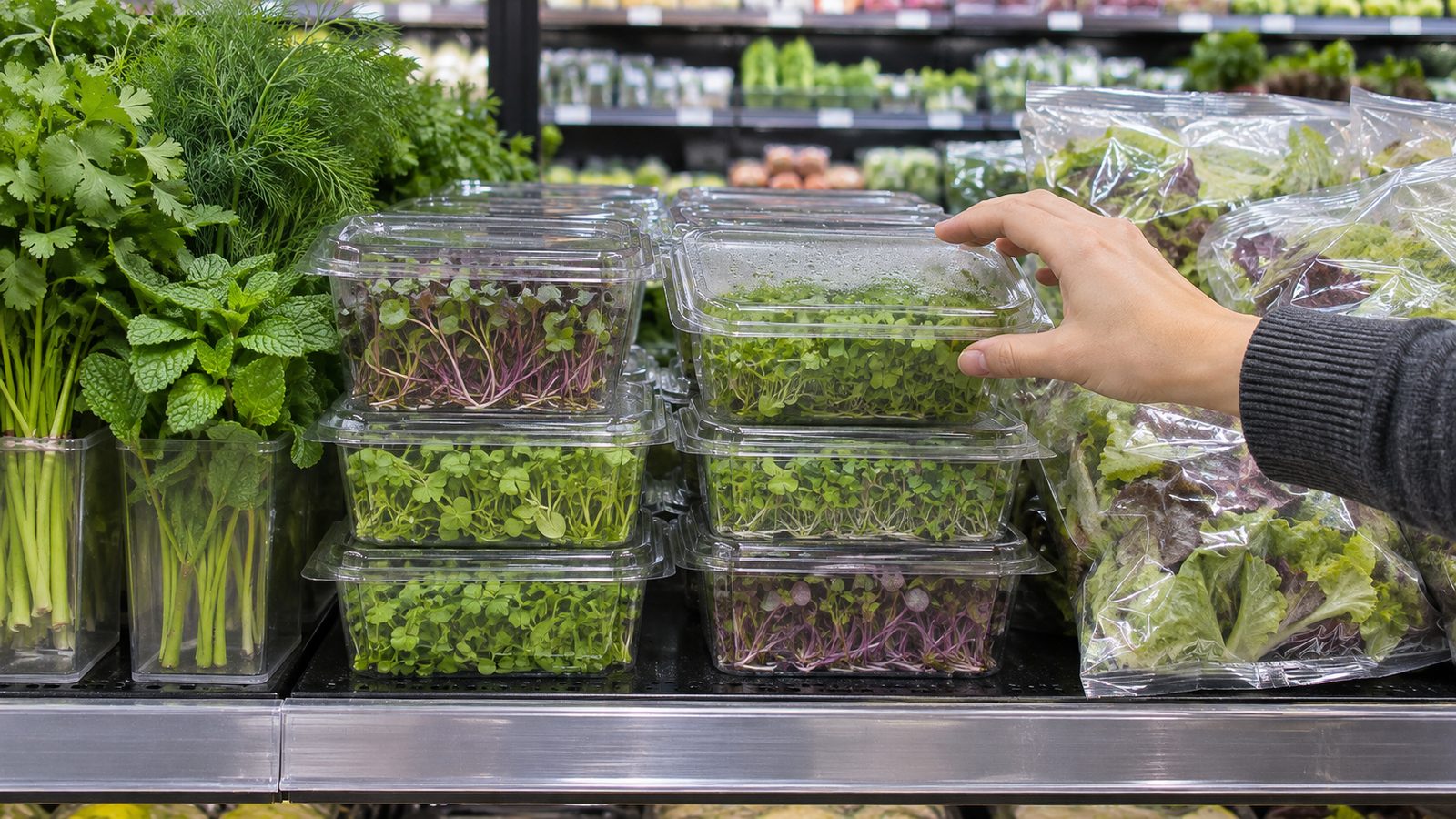
Most states do not charge state sales tax on fresh produce sold for home use, but nine states tax food under a state sales tax at rates from 1% to 6%, and Hawaii taxes food under its general excise tax at 4%. Five more have no state sales tax at all. Find your state's row in the table below for the 2026 answer.
Local taxes can sit on top of a state answer, and a seller's permit is a separate question from whether a sale is taxable. Indiana, for example, says a person selling only exempt food at a farm or farmers market does not need to register as a retail merchant, while Pennsylvania requires a sales-tax license for taxable sales.
Start with your state's row. Then check local tax, registration, and the form your microgreens take (cut, living tray or mix), because each one can change what you do at the market table.
What each state does with fresh produce in 2026
The rates in the table are state-level rates for food sold for home consumption, dated January 1, 2026. "Exempt" means exempt from the state sales tax, not necessarily from local tax. Hawaii uses a general excise tax (GET) instead of a conventional retail sales tax, and New Mexico uses a gross receipts tax. Where a row says the answer depends on a local tax, read the local section further down before you set a price.
Hover or tap a row to highlight it.
| State | Fresh produce taxed? | State rate on groceries | Source |
|---|---|---|---|
| Alabama | Taxed at reduced food rate | 2% | Alabama Department of Revenue; Tax Foundation 2026 table |
| Alaska | No state sales tax; local taxes may apply | 0% | Tax Foundation 2026 table |
| Arizona | Exempt | 0% | Tax Foundation 2026 table |
| Arkansas | Exempt | 0% | Tax Foundation 2026 table |
| California | Exempt as food for human consumption | 0% | California Department of Tax and Fee Administration |
| Colorado | Exempt | 0% | Colorado Department of Revenue |
| Connecticut | Exempt | 0% | Tax Foundation 2026 table |
| Delaware | No state sales tax | 0% | Tax Foundation 2026 table |
| Florida | Exempt | 0% | Florida Department of Revenue |
| Georgia | Exempt | 0% | Tax Foundation 2026 table |
| Hawaii | Included in the general excise-tax base | 4% GET | Tax Foundation 2026 table |
| Idaho | Taxed at state rate | 6% | Tax Foundation 2026 table |
| Illinois | State grocery tax eliminated January 1, 2026; local grocery taxes may apply | 0% state | Illinois Department of Revenue |
| Indiana | Exempt | 0% | Indiana Department of Revenue |
| Iowa | Exempt | 0% | Iowa Department of Revenue |
| Kansas | Exempt | 0% | Tax Foundation 2026 table |
| Kentucky | Taxed at state rate | 6% | Tax Foundation 2026 table |
| Louisiana | Exempt from state tax; local taxes may apply | 0% state | Louisiana Department of Revenue |
| Maine | Exempt | 0% | Tax Foundation 2026 table |
| Maryland | Exempt | 0% | Tax Foundation 2026 table |
| Massachusetts | Exempt | 0% | Tax Foundation 2026 table |
| Michigan | Exempt | 0% | Michigan Department of Treasury |
| Minnesota | Exempt | 0% | Minnesota Department of Revenue |
| Mississippi | Taxed at reduced food rate | 5% | Tax Foundation 2026 table |
| Missouri | Taxed at reduced food rate | 1.225% | University of Missouri Extension |
| Montana | No state sales tax | 0% | Tax Foundation 2026 table |
| Nebraska | Exempt | 0% | Tax Foundation 2026 table |
| Nevada | Exempt | 0% | Tax Foundation 2026 table |
| New Hampshire | No state sales tax | 0% | Tax Foundation 2026 table |
| New Jersey | Exempt | 0% | Tax Foundation 2026 table |
| New Mexico | Exempt from state gross receipts tax treatment shown for groceries | 0% grocery rate | Tax Foundation 2026 table |
| New York | Exempt | 0% | New York Department of Taxation and Finance |
| North Carolina | Exempt | 0% | Tax Foundation 2026 table |
| North Dakota | Exempt | 0% | Tax Foundation 2026 table |
| Ohio | Exempt | 0% | Tax Foundation 2026 table |
| Oklahoma | Exempt from state tax; local taxes still apply | 0% state | Oklahoma Tax Commission |
| Oregon | No state sales tax | 0% | Tax Foundation 2026 table |
| Pennsylvania | Exempt if food is not ready-to-eat | 0% | Pennsylvania Department of Revenue |
| Rhode Island | Exempt | 0% | Tax Foundation 2026 table |
| South Carolina | Exempt from state tax; local treatment may differ | 0% state | South Carolina Department of Revenue |
| South Dakota | Included in broad sales-tax base at reduced food rate | 4.2% | Tax Foundation 2026 table |
| Tennessee | Taxed at reduced food rate | 4% | Tax Foundation 2026 table |
| Texas | Exempt | 0% | Tax Foundation 2026 table |
| Utah | Taxed at reduced food rate | 3% | Utah State Tax Commission |
| Vermont | Exempt | 0% | Tax Foundation 2026 table |
| Virginia | Taxed at reduced rate | 1% statewide | Virginia Tax |
| Washington | Exempt | 0% | Tax Foundation 2026 table |
| West Virginia | Exempt | 0% | Tax Foundation 2026 table |
| Wisconsin | Exempt | 0% | Tax Foundation 2026 table |
| Wyoming | Exempt | 0% | Tax Foundation 2026 table |
| District of Columbia | Exempt | 0% | Tax Foundation 2026 table |
Alabama's 2% state food tax was suspended from May 1 through June 30, 2026, and local food taxes continued during that period, according to the Alabama Department of Revenue. Outside that window, the 2% state food rate in the table applies. The table covers fresh produce sold for home use, so check your state's revenue department page before you apply it to a sale of microgreens in a different form.
If your state's row says "Exempt," the practical meaning is that you do not add the state tax to a sale of fresh produce for home use. It does not tell you whether a city or county adds its own tax, and it does not tell you whether you must register with the state. Those two questions get their own sections below.
Buying supplies tax-free is not the same as collecting tax on sales
Buying supplies and selling the crop are two separate transactions. When you buy seed, soil, trays or other inputs, the question is whether a state lets a farm or commercial grower buy them without paying tax. When you sell the crop, the question is whether you collect tax from your customer. An exemption on one side does not decide the other.
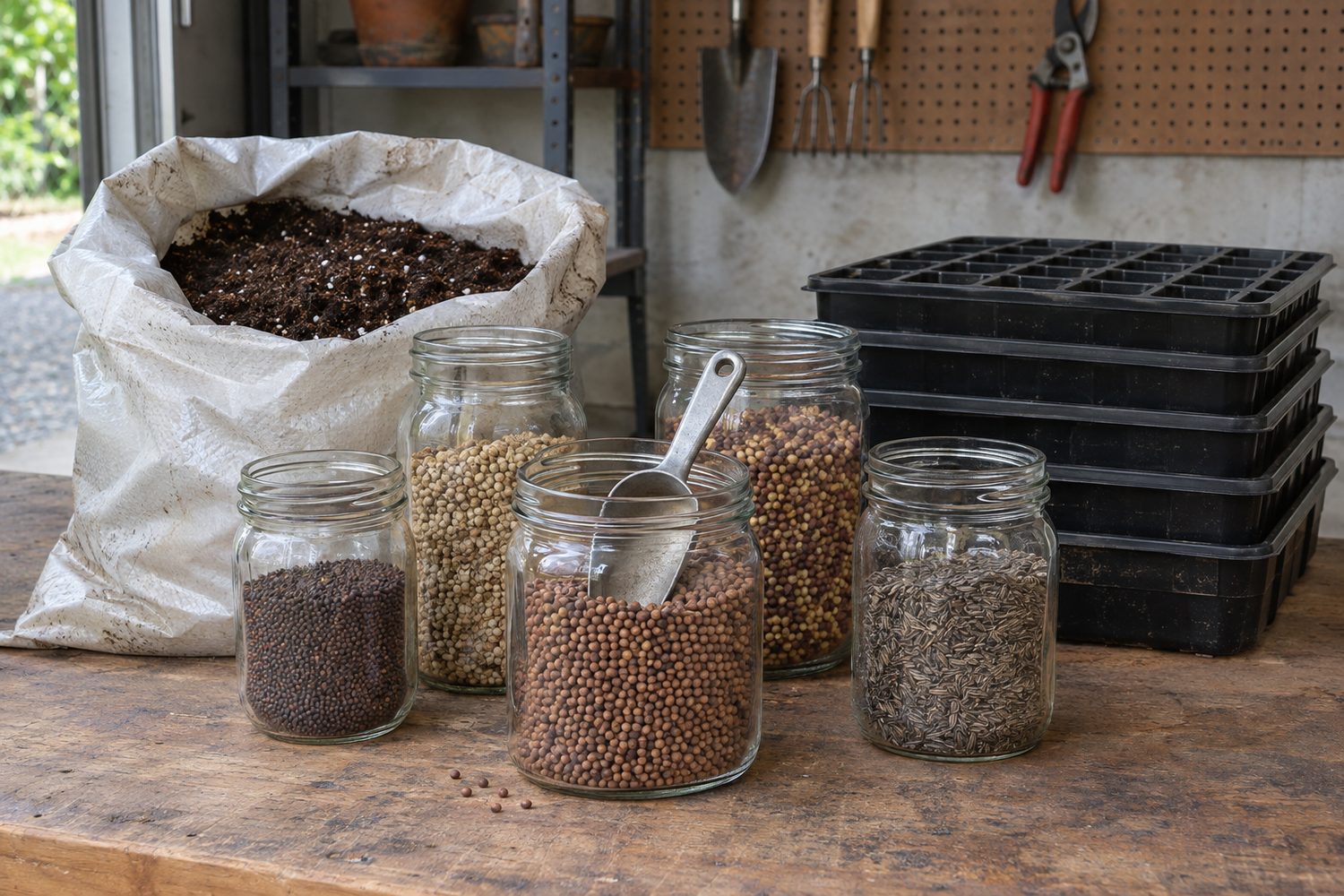
Some states write purchase exemptions for commercial agriculture with a paper trail attached. Iowa treats plants used for commercial agricultural production as exempt with documentation, and Nebraska treats garden seeds, bulbs and food-producing plants as exempt when bought for commercial agriculture. South Carolina shows why the document matters: its SCATE documentation relates to agricultural purchases, and it is not an automatic exemption for every retail sale. See the South Carolina Department of Revenue for how it separates the two.
So, before you claim a tax-free purchase, ask your revenue department which of your inputs qualify and what paperwork it wants on file. Then look at the table again for the other half, which is what you charge the person buying your microgreens. Keep the two in separate notes.
Local taxes can sit on top of a state exemption
A state row of 0% is a statement about the state. Cities, counties and special districts may still tax the sale, and a few states say so directly.
Illinois is the clearest recent change. The state grocery tax was eliminated on January 1, 2026, but municipalities and counties may impose a local grocery tax of exactly 1% from that date, and RTA and Metro-East taxes remain applicable, according to the Illinois Department of Revenue. If you sell in Illinois, the state answer is zero, and your city or county answer may not be. The Illinois selling guide covers the state side of selling.
Alaska has no state sales tax, but local governments there may tax sales, so a zero in the table does not close the question. The Alaska selling guide is the place to start for your borough or city. Oklahoma is plainer still: fresh raw food sold at farmers markets generally fits the state food exemption, but the Oklahoma Tax Commission says local sales and use taxes continue to apply.
The same pattern shows up elsewhere. Louisiana exempts fresh produce from state sales tax while local taxes may apply. South Carolina's state food exemption does not automatically remove local taxes. Alabama's city and county food taxes are separate from the 2% state rate. Check local rates in Arkansas, Kansas, Mississippi, Tennessee and Utah as well. For all of these, call or write the revenue office for the exact city or county rate on food before you print a price sheet.
A seller's permit is a separate question from tax
Whether you collect tax and whether you register with the state are two different answers, and states split them in different ways.
Indiana says a person selling only exempt food at a farm or farmers market does not need to register as a retail merchant, according to the Indiana Department of Revenue farm markets bulletin. If you sell anything else alongside the microgreens, the food-only reading no longer describes you, so read the bulletin with your whole table in mind. Pennsylvania runs the other way for taxable sales: the Pennsylvania Department of Revenue requires a sales-tax license for them, and an exempt-only food seller may still need food-facility or farmers-market licensing through the Pennsylvania Department of Agriculture.
California generally requires registration when a business sells merchandise, even when some or all of the sales are nontaxable, with an exception for sellers whose merchandise is sold only through a registered marketplace facilitator, per California Publication 51. California's permit guidance also notes that a business dealing only in statutorily exempt food generally does not need a permit, but the answer depends on the character and scope of the activity, per the California Compliance Policy Manual. Ask the California Department of Tax and Fee Administration which statement fits your sales.
Texas requires a sales-tax permit when you sell taxable goods or services, and exempt-only produce sales do not meet the listed permit trigger, though use-tax obligations can create a separate registration issue, according to the Texas Comptroller. New York requires registration when you make taxable sales and meet the state's registration conditions; see New York bulletin TB-ST-175, and ask the New York Department of Taxation and Finance whether sales of only exempt food require registration. For the licensing side beyond tax, read do you need a license to sell microgreens. The Texas selling guide and Indiana selling guide cover those two states in more detail.
Farmers markets: who collects and when an exemption runs out
At a market, the stall owner usually carries the tax duty for taxable items, and a few states add rules that change the picture. Mississippi's guidance says the vendor generally collects and reports tax on taxable products, that unprocessed fruits and vegetables grown in Mississippi by the vendor are generally exempt, and that a market promoter may collect and remit tax when it operates as the event promoter. See Mississippi State University Extension.
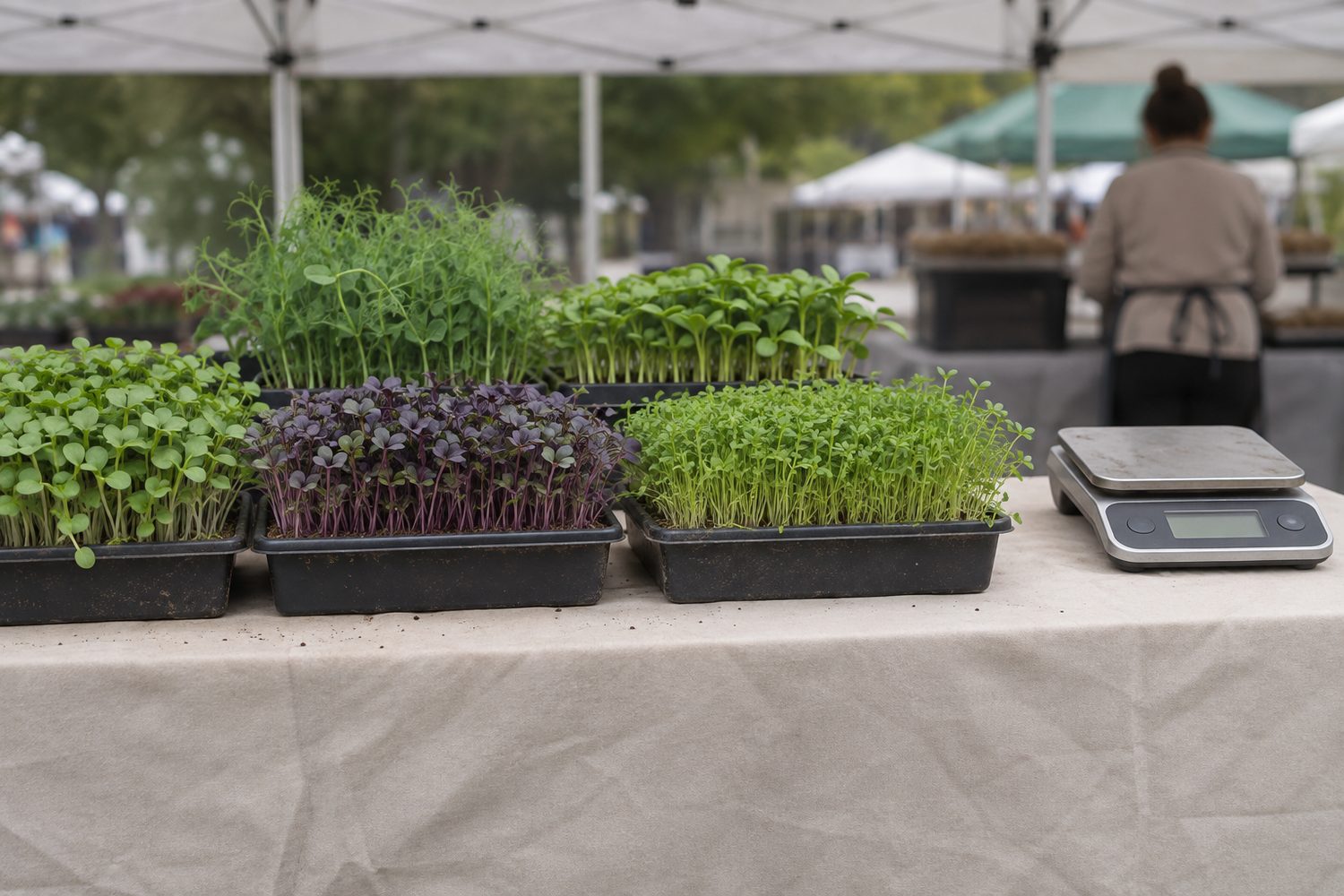
Missouri has a size limit worth knowing about early. Farm products sold at qualifying farmers markets may use a state and local exemption, but it does not apply when estimated annual farmers-market sales reach $25,000 or more, according to University of Missouri Extension. Missouri sellers may also owe state and local tax on taxable market products, and the Missouri Department of Revenue publishes an industry tax matrix for farmers markets.
Iowa draws the line at preparation. Food and food ingredients are exempt, but prepared food, vending sales and other taxable items are not, per the Iowa Department of Revenue. The Iowa selling guide puts that next to the rest of the state's rules for growers.
Living trays, mixes and anything beyond a cut bag
The table answers the fresh-produce case, such as a cut bag sold to eat. A living tray is different, because the same tray can be treated as a plant, a nursery product, an agricultural input or a food product, depending on the state and on what the buyer plans to do with it. A tray sold for eating tonight is not automatically treated like a tray sold for continued growing. The guide to selling living microgreen trays covers the tray side in full.
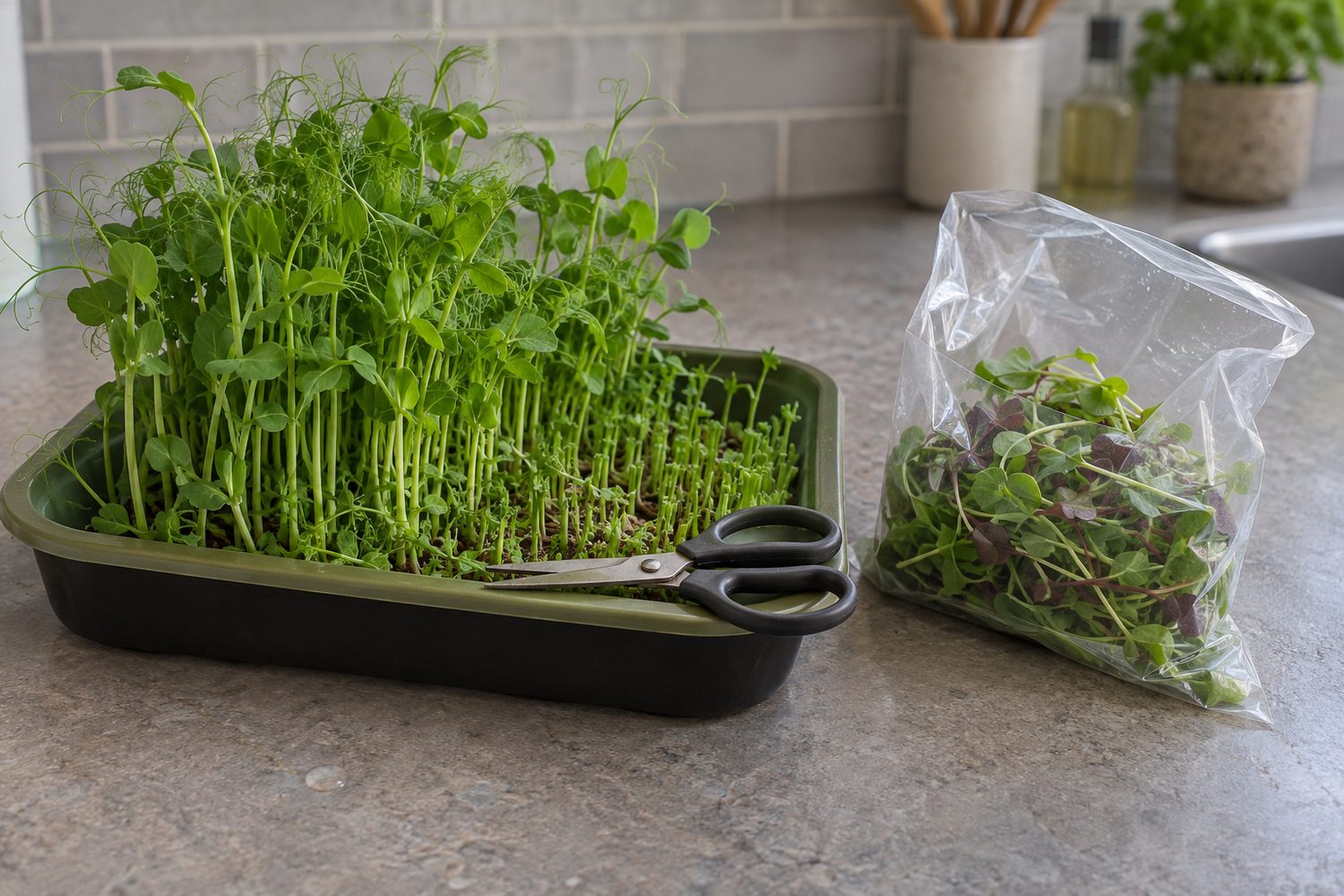
Several states say something specific about food-producing plants. California exempts food generally, and qualifying seeds and plants that produce food are also exempt under California Regulation 1588. Colorado exempts food for home consumption and seeds or plants that produce food, per the Colorado Department of Revenue. South Carolina exempts vegetable and fruit plants intended to grow food for personal consumption or for production for sale, though local treatment can differ.
Other states go the opposite direction for plants. Iowa exempts cut food but taxes plants used to produce food for a household. Nebraska taxes garden seeds, bulbs and food-producing plants sold for home use, with exceptions for SNAP purchases and commercial agriculture, per the Nebraska Department of Revenue. Virginia taxes food for home consumption at 1%, but seeds and plants used to grow food for home consumption do not qualify for the reduced rate. Minnesota treats produce as generally exempt, while plants and seeds sold for home vegetable gardens are treated separately from food, per the Minnesota Department of Revenue.
Mixes and bundles are their own question. A prepared mix, a branded bundle, a delivery charge or a prepared food item may be treated differently from a bag of fresh produce. Whether a particular mix counts as food for home consumption, prepared food or something else is a call for your state's revenue department. If you plan to sell mixes, ask about the specific product, with its ingredients and packaging, before the first sale.
Shipped and online orders
Marketplace facilitator laws generally make the marketplace responsible for collecting and remitting tax on facilitated taxable sales. As a seller, you may still have registration, filing, recordkeeping or threshold duties, and those vary by state. The Streamlined Sales Tax marketplace seller guidance states that marketplace sellers may need to register and file depending on the state.
Iowa shows how exempt sales can still matter online. A marketplace seller that makes only Iowa sales through a marketplace collecting Iowa tax does not need an Iowa sales-tax permit or returns, but direct website sales are treated separately. Iowa counts exempt sales, wholesale sales, resale sales and marketplace-collected sales toward the gross revenue it uses for its remote-seller threshold, according to the Iowa Department of Revenue. Exempt sales count toward that gross revenue even though you collect no tax on them.
California treats a registered marketplace facilitator as the retailer for facilitated sales, and a seller making only facilitated sales generally does not need its own California seller's permit. Direct California sales, California inventory or economic nexus can create registration duties, and the economic-nexus threshold is more than $500,000 in combined tangible-merchandise sales for delivery into California, according to the California Marketplace Facilitator Act guide. Pennsylvania requires registration for a business with Pennsylvania inventory making direct sales, and for a marketplace seller when the facilitator does not collect or remit tax, per the Pennsylvania Department of Revenue.
Tax on a shipped order is generally decided by where the customer receives the product, not where you ship from. Tennessee describes sourcing as determining which jurisdiction has the right to tax a sale, using Streamlined Sales Tax sourcing rules for relevant transactions, on its Streamlined Sales Tax page. Fresh produce may be exempt in the buyer's state while a living tray, prepared mix or delivery charge is not, so a mixed box can carry more than one answer.
The one step before your first sale
Confirm seller registration with your state revenue department before the first sale. This matters most if you plan to sell living trays, mixes, prepared products or taxable merchandise. The step sits beside the table and does not replace it: the table tells you whether the food is taxed, and registration tells you whether you are set up to sell at all.
When you call or write, bring a short list so the answer fits your situation.
- What you sell: cut microgreens, living trays, mixes, or merchandise.
- Where you sell: one market, restaurants, your own website, or a marketplace.
- Whether you ship across state lines, and to which states.
- Which of your purchases you want to buy without tax, and the paperwork the state wants for them.
Write down the name of the person you spoke with, the date, and the answer. That note is your record if a question comes up later.
Frequently asked questions
Does Alabama's 2% food tax apply all year? It applies outside the temporary suspension from May 1 through June 30, 2026, according to the Alabama Department of Revenue. Local city and county food taxes continued during the suspension, so the local piece did not pause.
Does Missouri's farmers market exemption have a ceiling? Yes. The exemption does not apply when estimated annual farmers-market sales reach $25,000 or more, according to University of Missouri Extension. Track your market sales through the year so you know where you stand.
If a marketplace collects tax for me, can I skip registering? Sometimes. Iowa and California both say a seller making only facilitated sales generally does not need its own permit, while Pennsylvania requires a marketplace seller to register when the facilitator does not collect or remit tax. Check your state's rule, and check what you sell outside the marketplace.
Does a state with no sales tax mean no tax at all? Not always. Alaska has no state sales tax, but local governments may tax sales. Hawaii taxes food under its general excise tax at 4% instead of a conventional sales tax.
Where this leaves you
The state row gives you the fresh-produce answer, the local sections tell you what may be added on top, and registration is a separate step you confirm before the first sale. If you want the licensing side next, read do you need a license to sell microgreens, and if you are selling trays, read selling living microgreen trays. Questions about your own state are welcome through the contact page at Microgreens Guru.
Sources
Prices, stock and specifications are as the linked pages showed them on 2026-11-09.
- Alabama Department of Revenue
- Tax Foundation 2026 table
- California Department of Tax and Fee Administration
- Colorado Department of Revenue
- Florida Department of Revenue
- Illinois Department of Revenue
- Indiana Department of Revenue
- Iowa Department of Revenue
- Louisiana Department of Revenue
- Michigan Department of Treasury
- Minnesota Department of Revenue
- University of Missouri Extension
- New York Department of Taxation and Finance
- Oklahoma Tax Commission
- Pennsylvania Department of Revenue
- South Carolina Department of Revenue
- Utah State Tax Commission
- Virginia Tax
- Alabama Department of Revenue
- South Carolina Department of Revenue
- Pennsylvania Department of Agriculture
- California Publication 51
- California Compliance Policy Manual
- Texas Comptroller
- Mississippi State University Extension
- Missouri Department of Revenue
- California Regulation 1588
- Nebraska Department of Revenue
- Minnesota Department of Revenue
- Streamlined Sales Tax marketplace seller guidance
- Iowa Department of Revenue
- California Marketplace Facilitator Act guide
- Pennsylvania Department of Revenue
- Streamlined Sales Tax page
Keep reading
The journal
Can I sell microgreens from home? Zoning, permits, leases, HOAs
You can sell microgreens from home where zoning, a lease and any HOA allow it. Check the zoning office, read the lease, then ask the HOA in writing.
Read Can I sell microgreens from home? Zoning, permits, leases, HOAsThe journal
Do You Need a Local Business License to Sell Microgreens?
A business license to sell microgreens may be set by your city, county or state, apart from the food license. Check your location before your first sale.
Read Do You Need a Local Business License to Sell Microgreens?The journal
Are Microgreens in Demand Near You? How to Check Local Buyers
Are microgreens in demand where you live? Use national market reports as a starting point, then check local restaurants and grocers before you plant.
Read Are Microgreens in Demand Near You? How to Check Local BuyersThe journal
Are Microgreens Profitable? What the Numbers Show
Are microgreens profitable? See what a national grower survey and federal sales data show, why gross revenue is not profit, and how to run your own numbers.
Read Are Microgreens Profitable? What the Numbers Show