The eating series
What to buy, what it costs, how much to eat and who should be careful. The practical end of the subject, for people who are eating microgreens rather than growing them.
Part 1 of 5
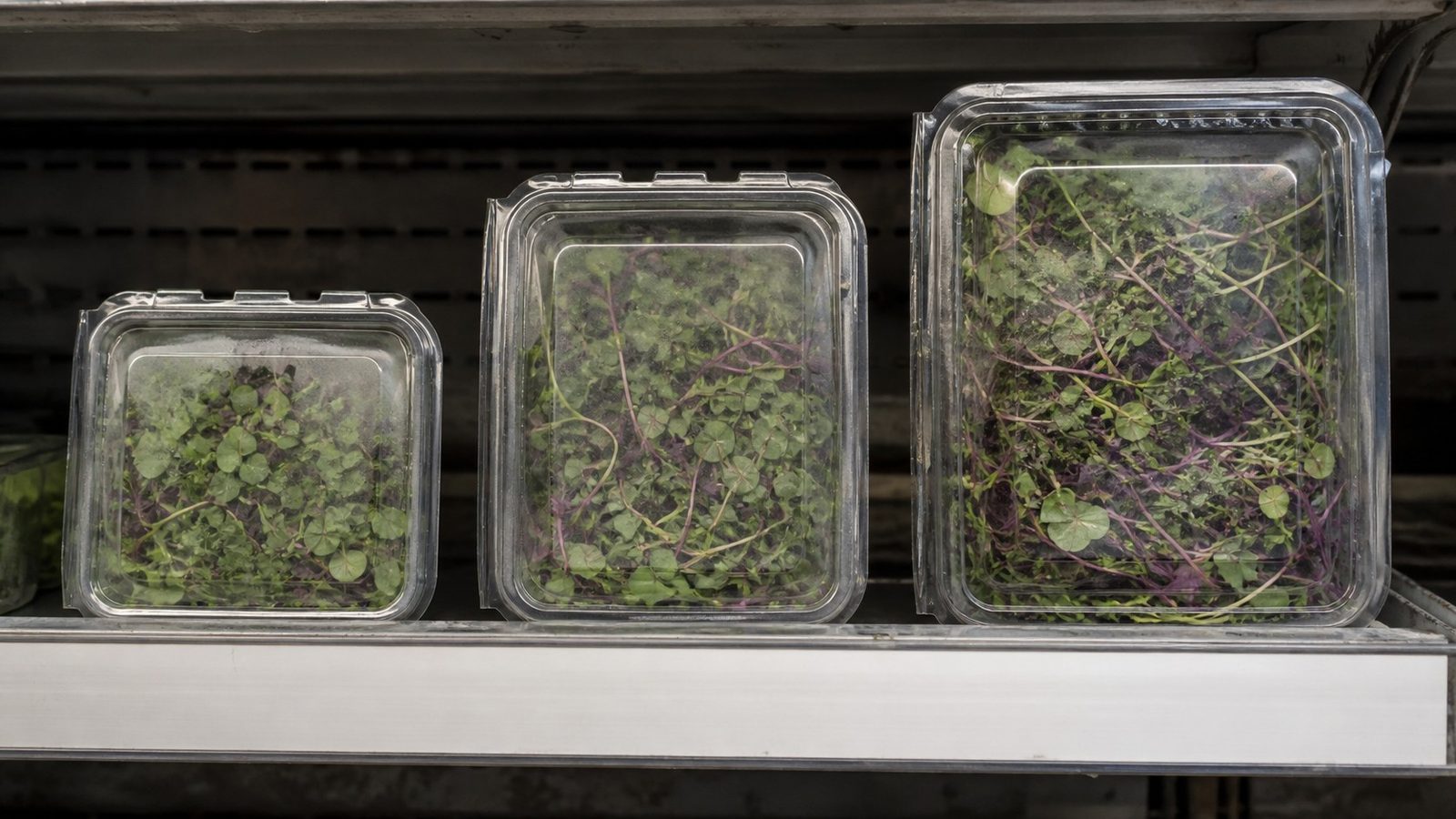
Buying Microgreens: The Same $6 Buys 60 Grams or 100
Across every observed price, what a shopper can actually pay spans 2-fold while sellers quote across 8.3. Farm-direct covers almost the whole range by itself, because pack size decides the price and the channel does not.
Part 2 of 5
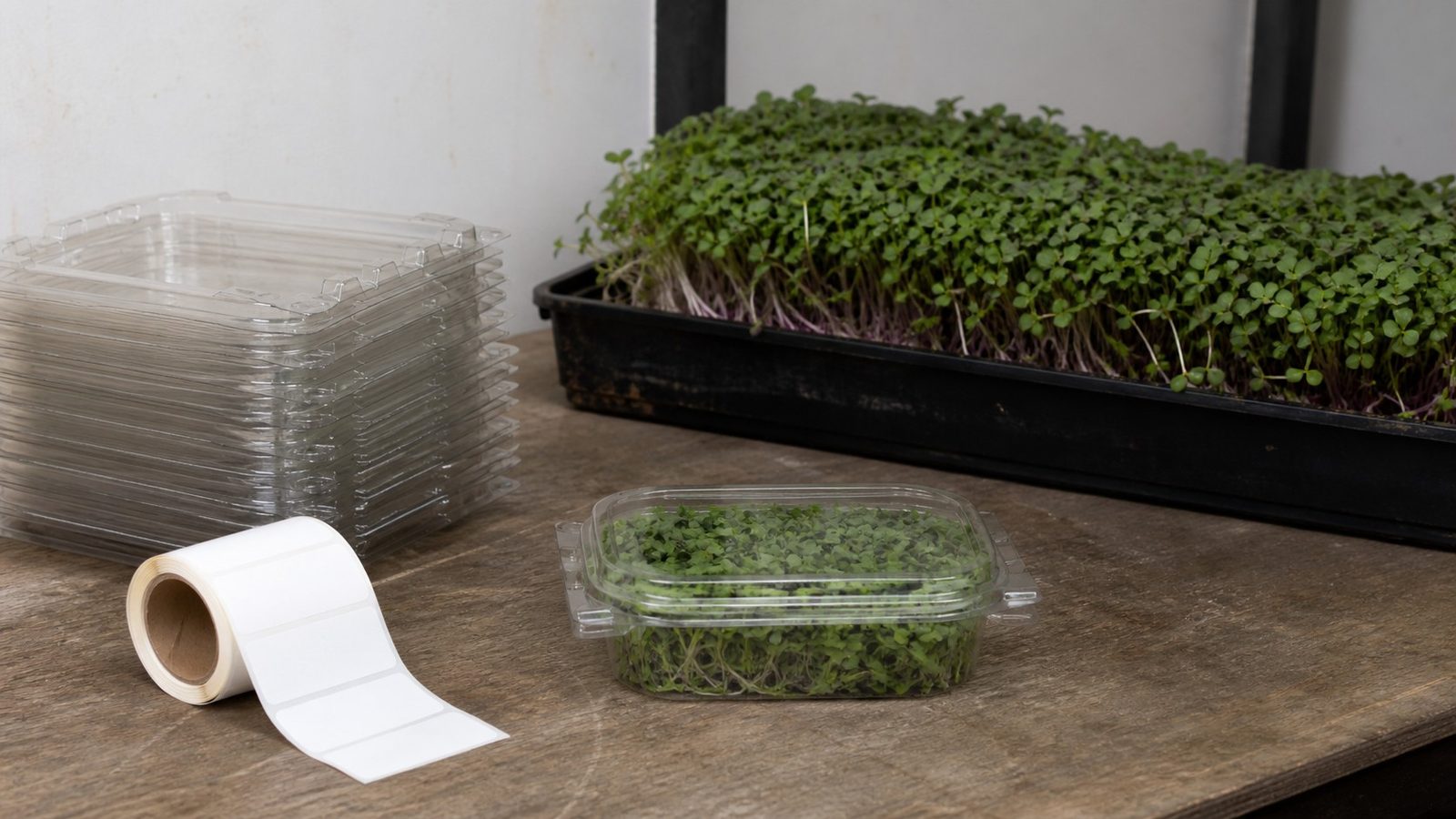
Why Microgreens Are Expensive: You Are Mostly Buying the Box
In the only full published tray budget, labels, packaging and marketing are 50 to 60 percent of what a tray costs to produce. Growing the plant is 17 to 23 percent, and the seed is under 10.
Part 3 of 5
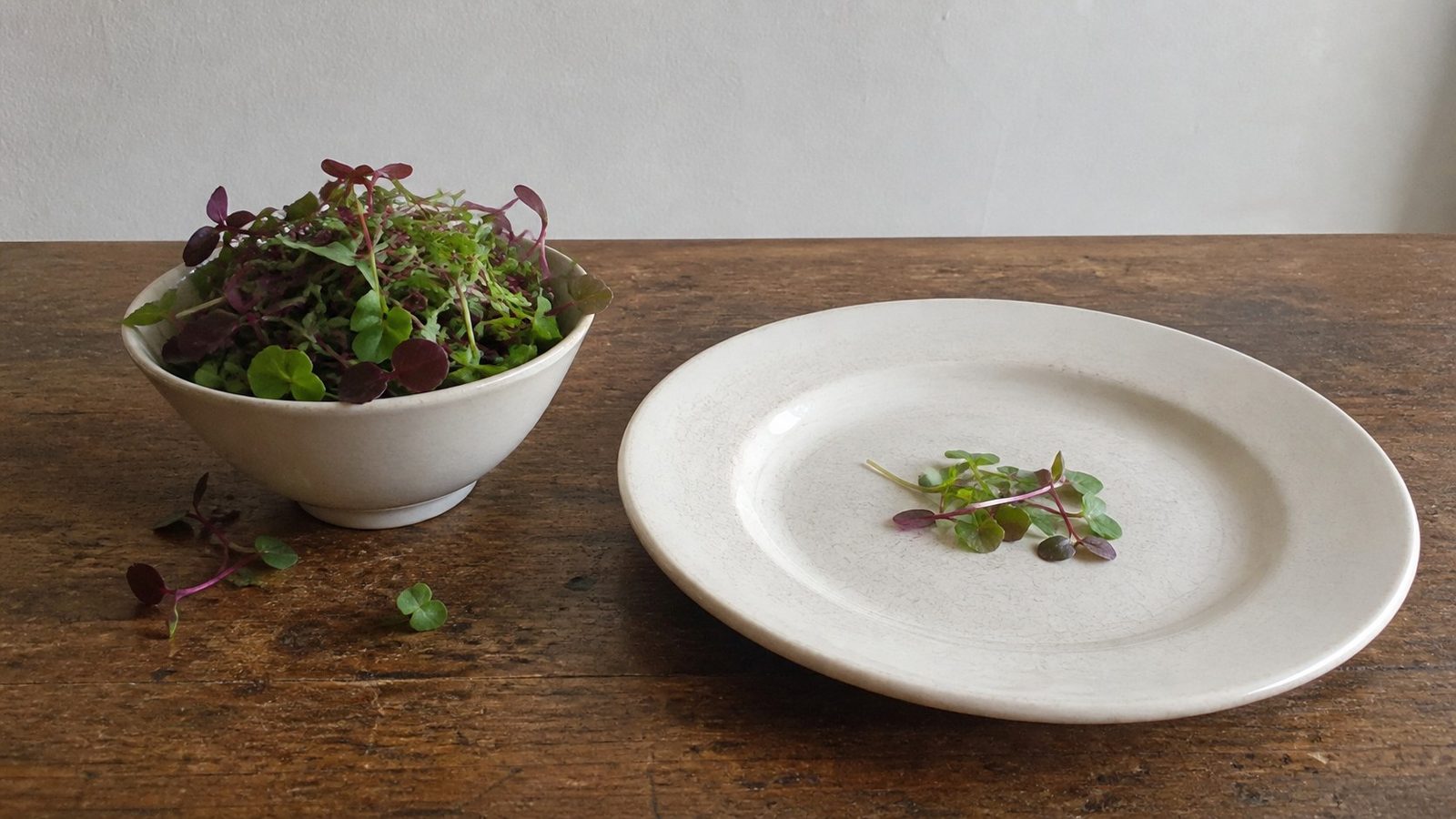
How Much Microgreens a Day? A Serving and a Dose Differ by Twelve Times
No regulator anywhere sets a daily microgreen intake. The only weighed serving published is 2.5 grams; the only daily-feeding trials used 28 to 30. Nobody has reconciled those two numbers.
Part 4 of 5
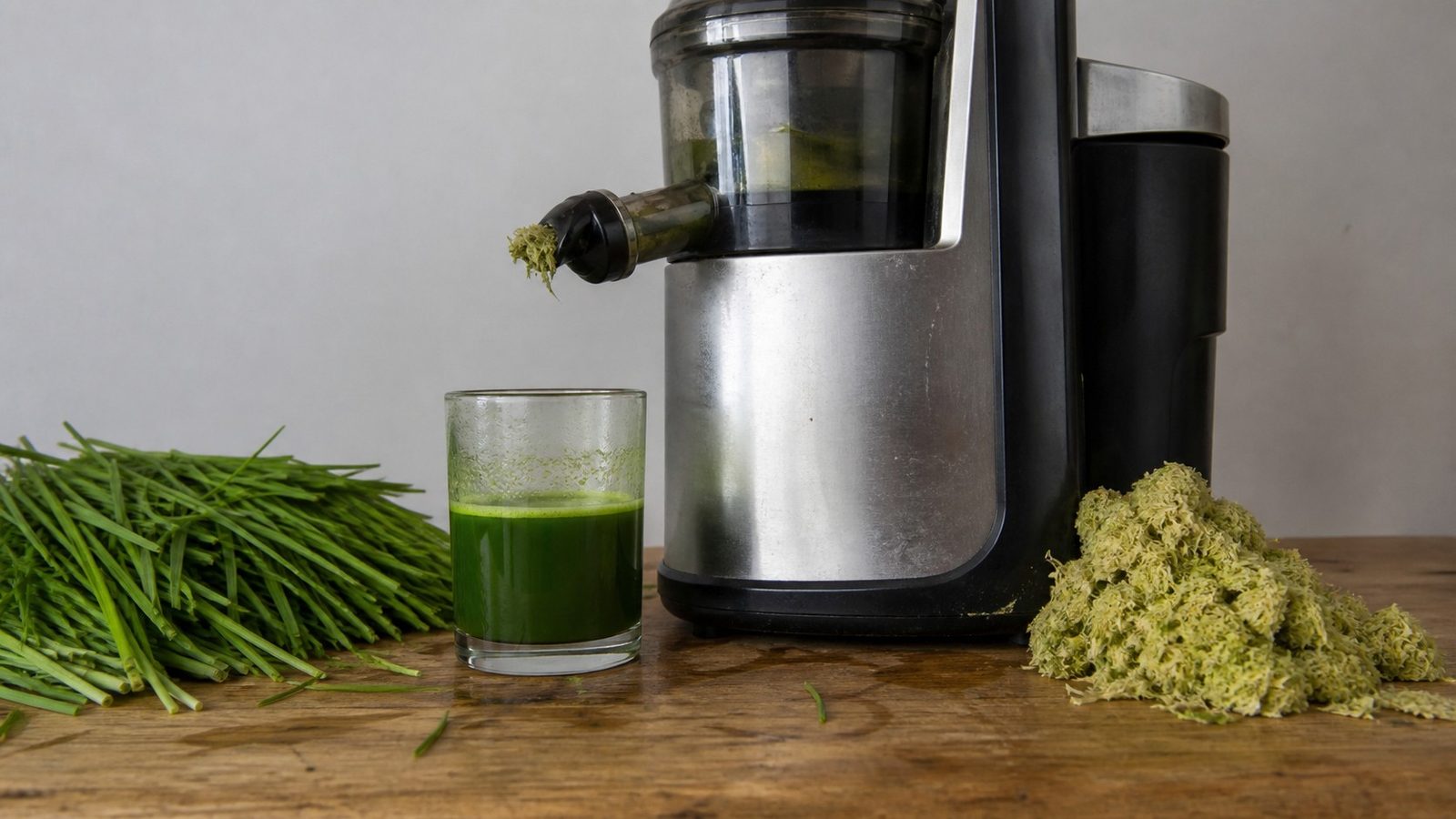
Juicing Microgreens: One Glass Is Three Quarters of a Tray
Nobody has measured how much juice a microgreen tray gives. The one published figure is a seller's, for wheatgrass, on a tray 23 percent larger than a 1020. Rescaled, a 240 mL glass is three quarters of a tray.
Part 5 of 5
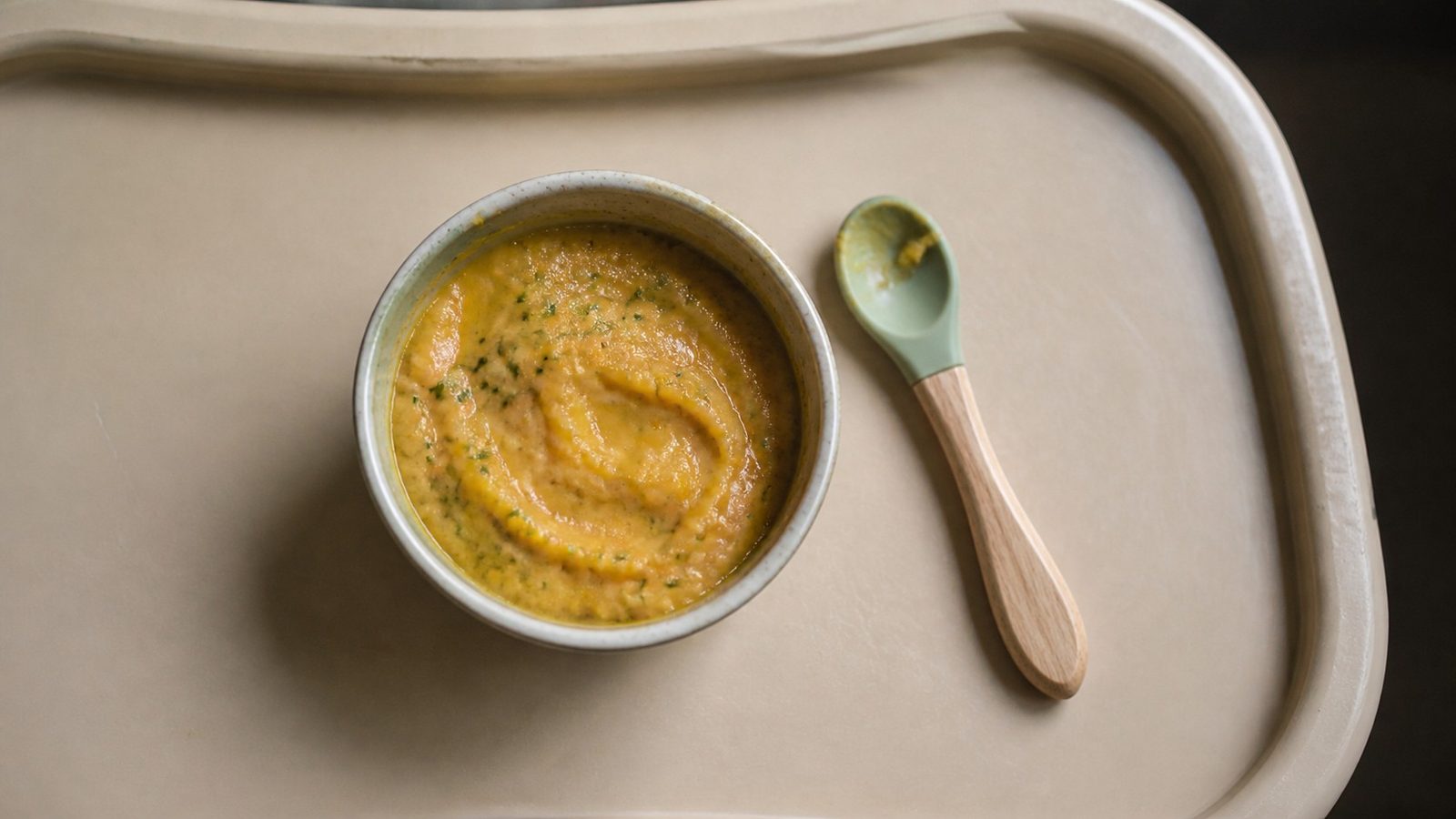
Microgreens for Babies and Children: Cook Them First, and Here Is Why
Cooking is the step that addresses the pathogen risk for under-fives, and it is the one thing you can act on. No pediatric or federal body sets a starting age, so here is exactly what is established.