The health series
Twelve articles on what microgreens have and have not been shown to do, each naming the material actually tested: microgreen, sprout, extract or mature vegetable. Read in order or start anywhere.
Part 1 of 12
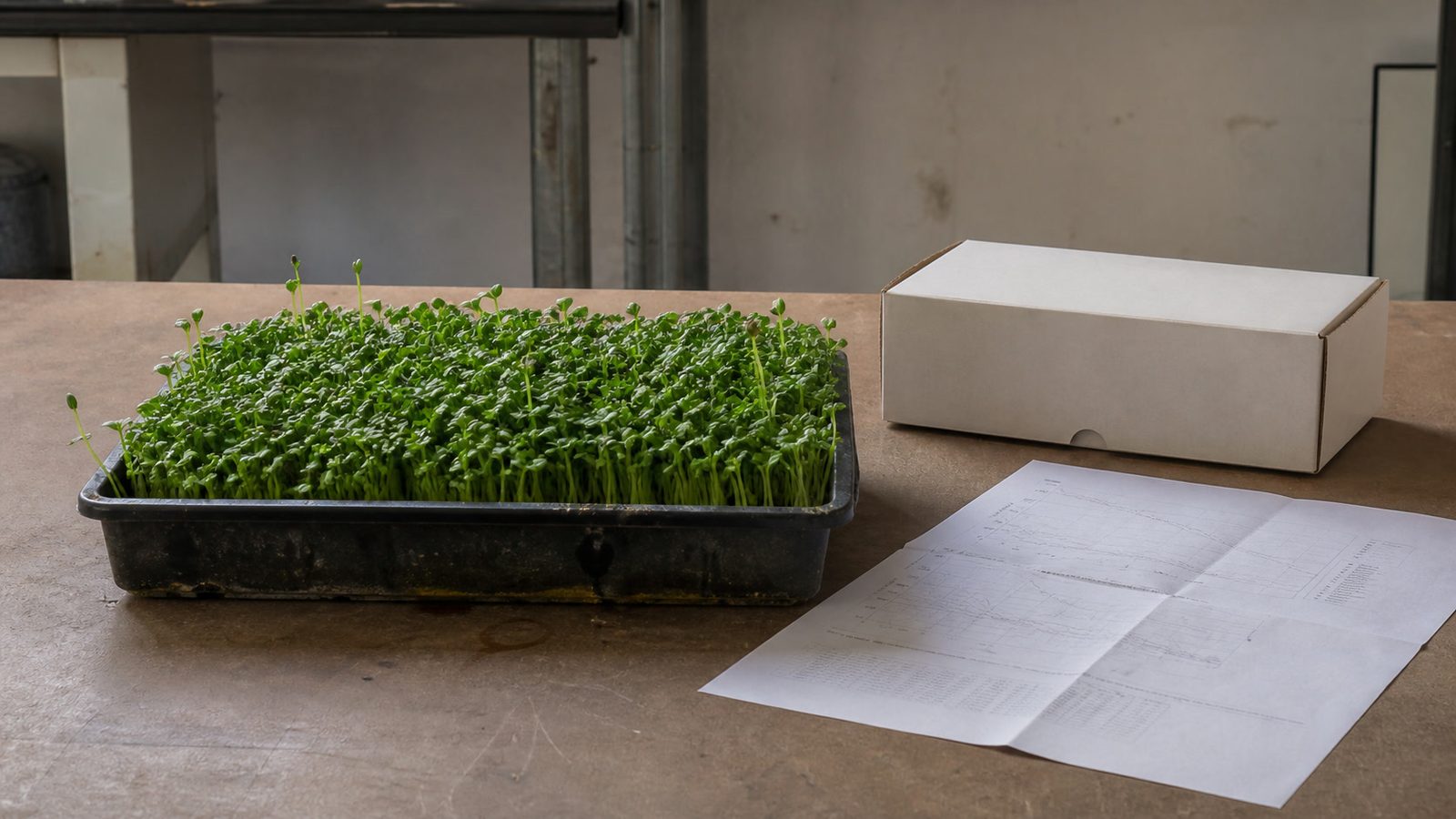
Microgreens and Gut Health: What One Small Study Actually Found
Eleven people, one serving, and the researchers looked at chemistry rather than symptoms. The constipation study often cited for this used sprouts, was paid for by a farm, and one good bacteria went down.
Part 2 of 12
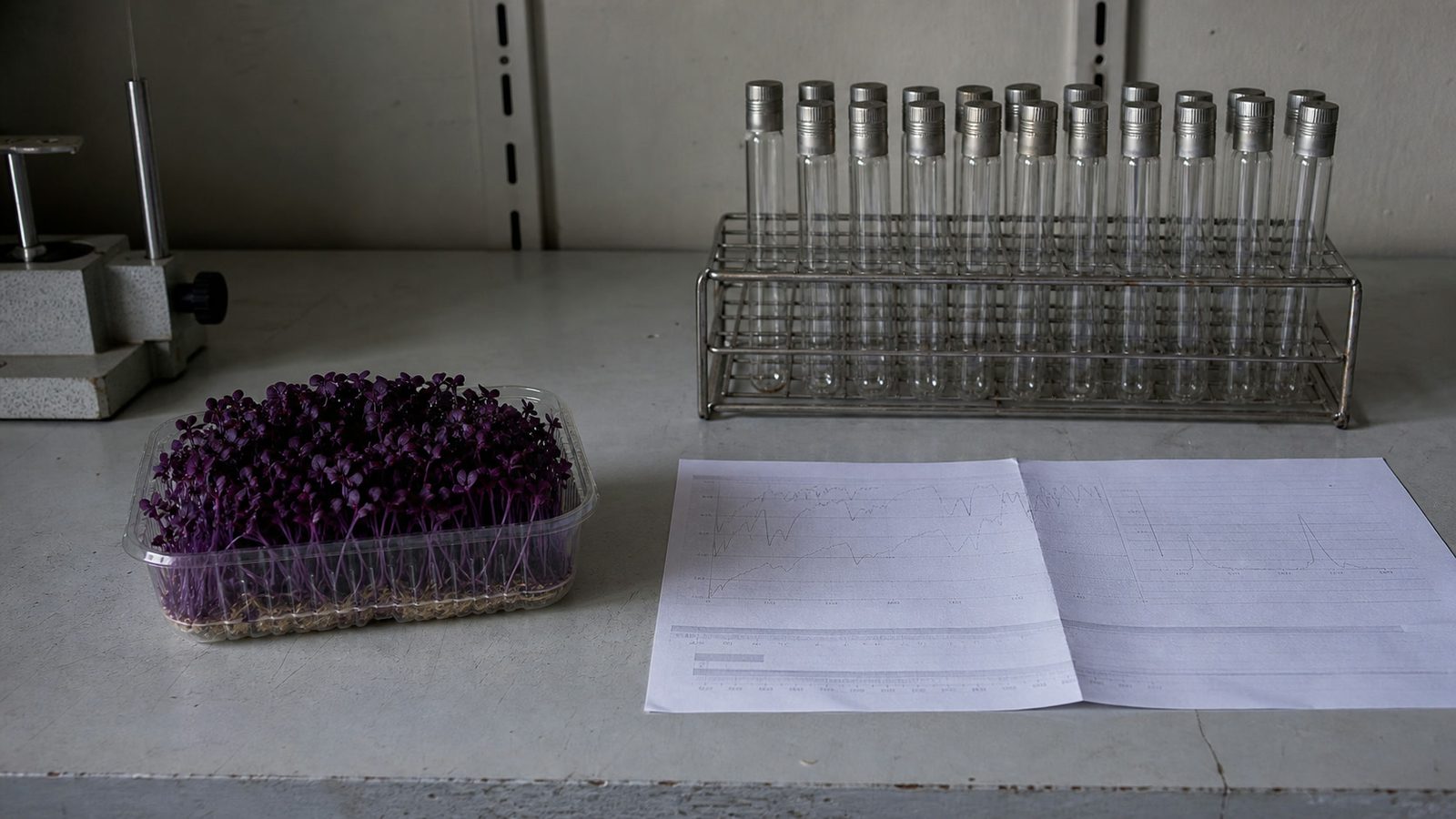
Are Microgreens Anti-Inflammatory? What the Research Really Says
Nobody has fed a person microgreens and measured their inflammation. And when researchers pooled ten broccoli sprout trials, the combined result came out at something that could be zero.
Part 3 of 12
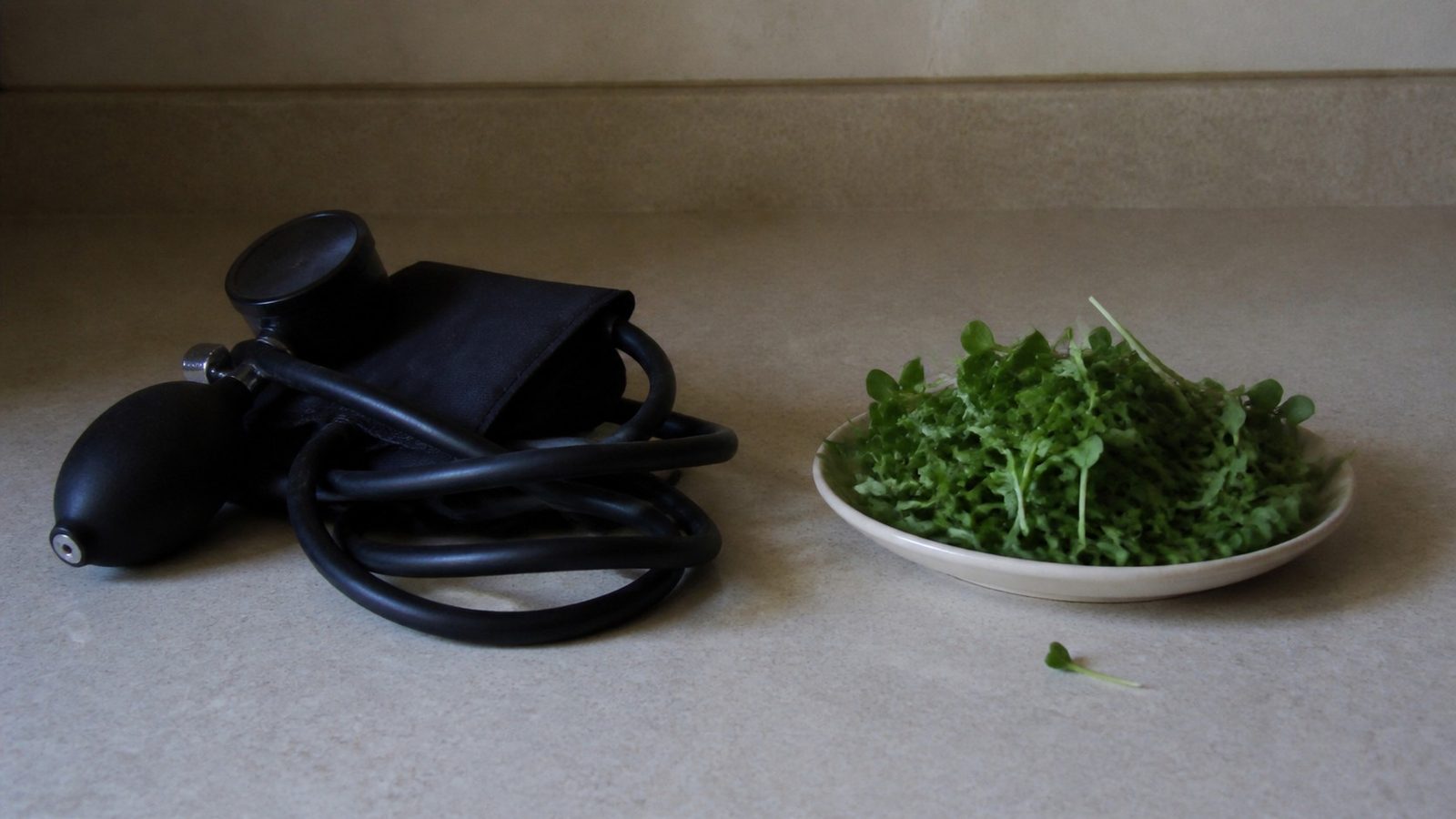
Microgreens and Heart Health: What Has Been Tested in People, and What Has Not
No completed human trial has measured blood pressure or cholesterol after anyone ate a microgreen. The cholesterol result circulating everywhere is an 8-week mouse study, and the nitrate case cannot even be costed.
Part 4 of 12
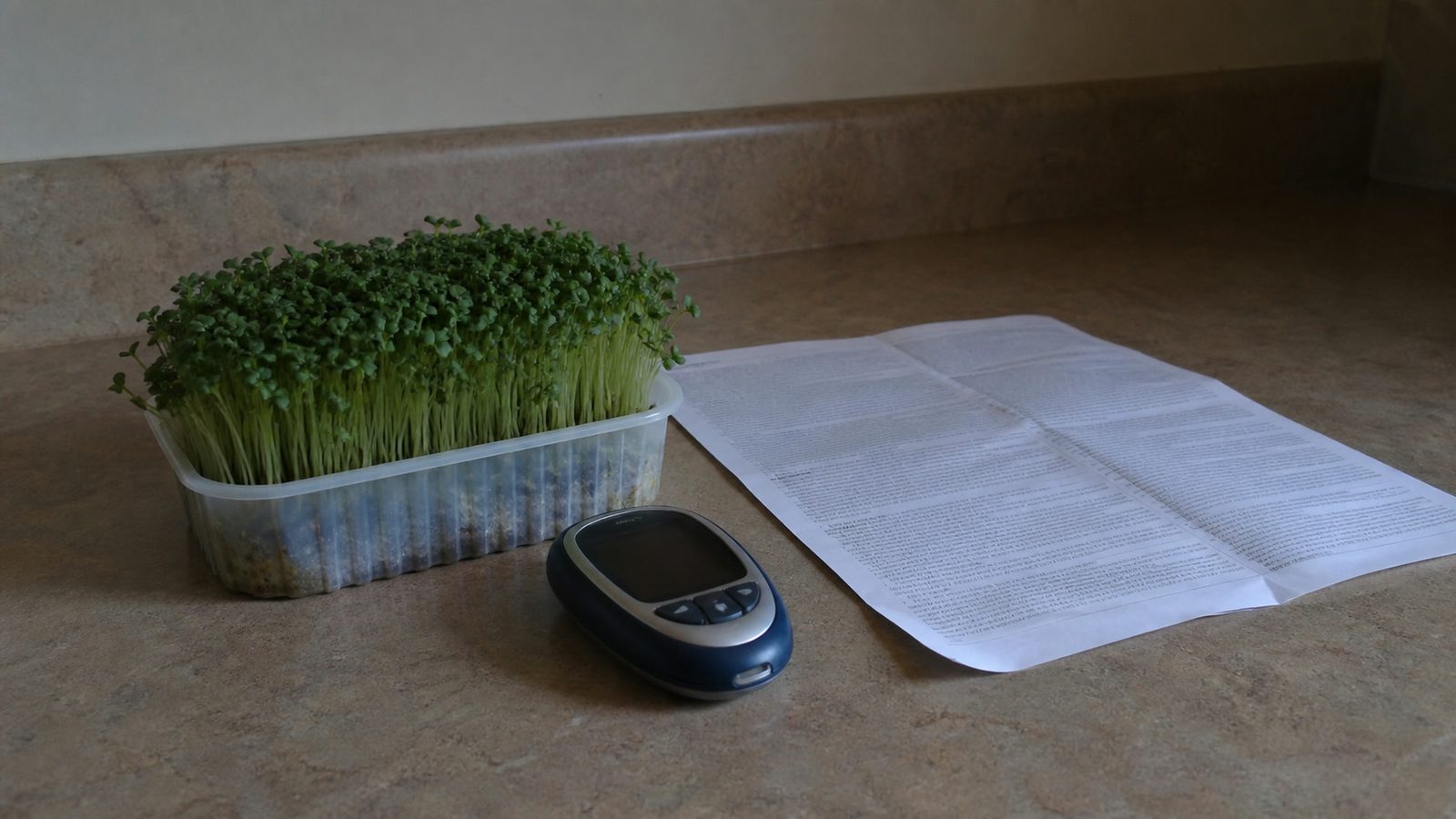
Microgreens and Diabetes: What Is Known About Blood Sugar
Microgreens fit a diabetes plate like any non-starchy vegetable. Whether they lower blood sugar has never been tested: every human trial used broccoli sprout powder or extract, not the fresh greens.
Part 5 of 12
Do Microgreens Help You Lose Weight? Two Claims, One Answer
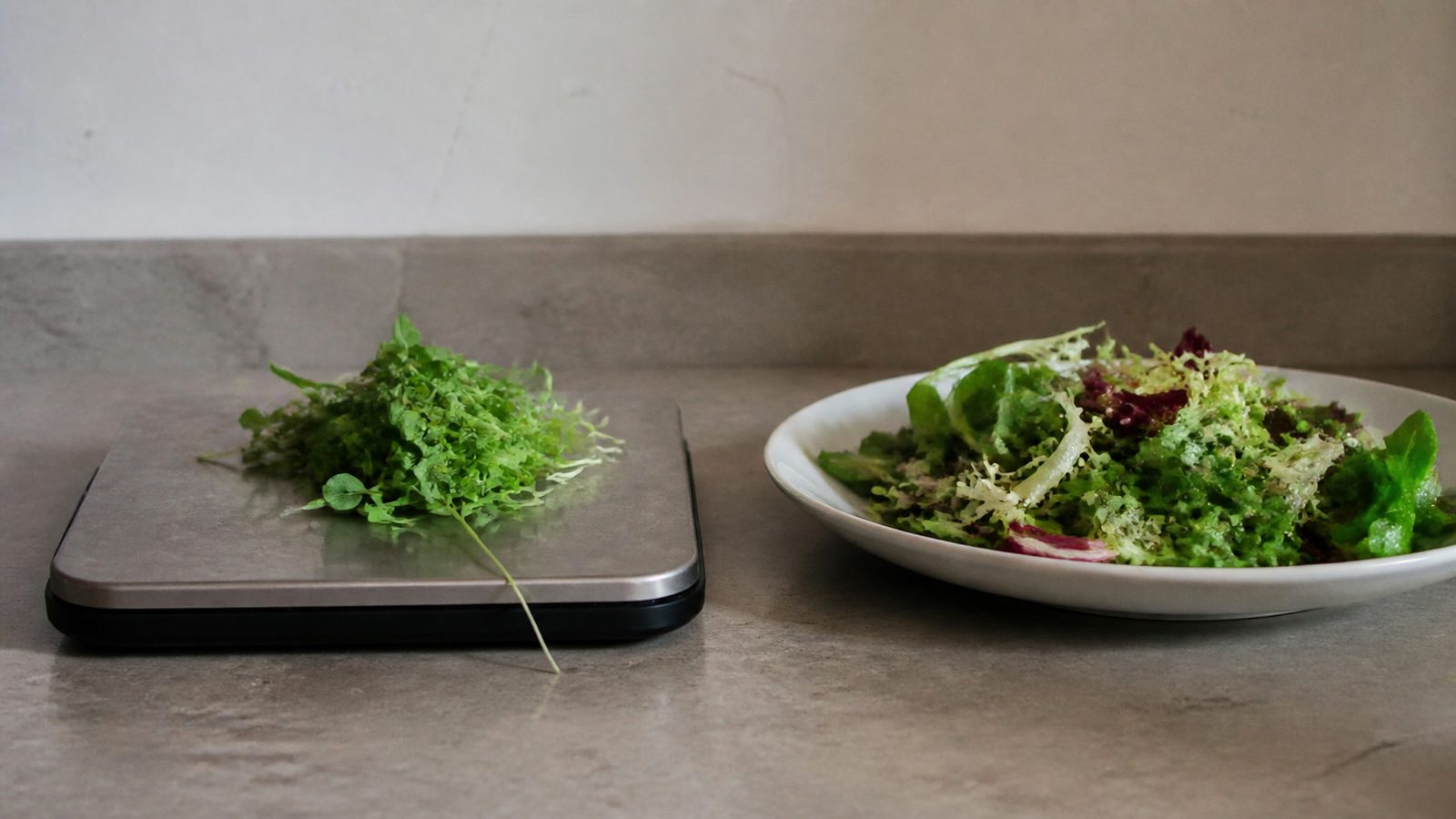
One of these claims is probably true and has nothing to do with microgreens. The other was tested by injecting a compound into mice. Here is which is which.
Part 6 of 12
Microgreens and Immunity: What the Nutrients Actually Do, and What Has Not Been Tested
Supports the immune system is a regulatory category, not a finding. No human trial has measured infections after anyone ate a microgreen, and a realistic serving supplies about 1 percent of a day's zinc.
Part 7 of 12
Microgreens and Bone Health: The Nutrient Is Real, and Nobody Mentions Warfarin
Vitamin K1 is the one nutrient microgreens genuinely deliver, at up to 137 percent of a day's intake in a handful. Five pages making the bone claim were checked and none mentioned the drug it interacts with.
Part 8 of 12
Microgreens and Iron: You Would Need Eleven Trays a Day
A 30 g portion supplies under 1.5 percent of a woman's iron. One half cup of cooked spinach beats two whole trays. And the oxalate story everyone repeats failed its human test.
Part 9 of 12
Microgreens and Cancer: The Compound Everyone Names Is the One Broccoli Microgreens Have Least Of
Every cancer claim runs on sulforaphane, which comes from glucoraphanin. Broccoli microgreens carry twenty times more glucoerucin than glucoraphanin, and no human microgreen cancer outcome study exists.