The comparison series
Microgreens against the things they get confused with, and against each other. Every comparison names what was actually measured rather than repeating the claim that made it popular.
Part 1 of 7
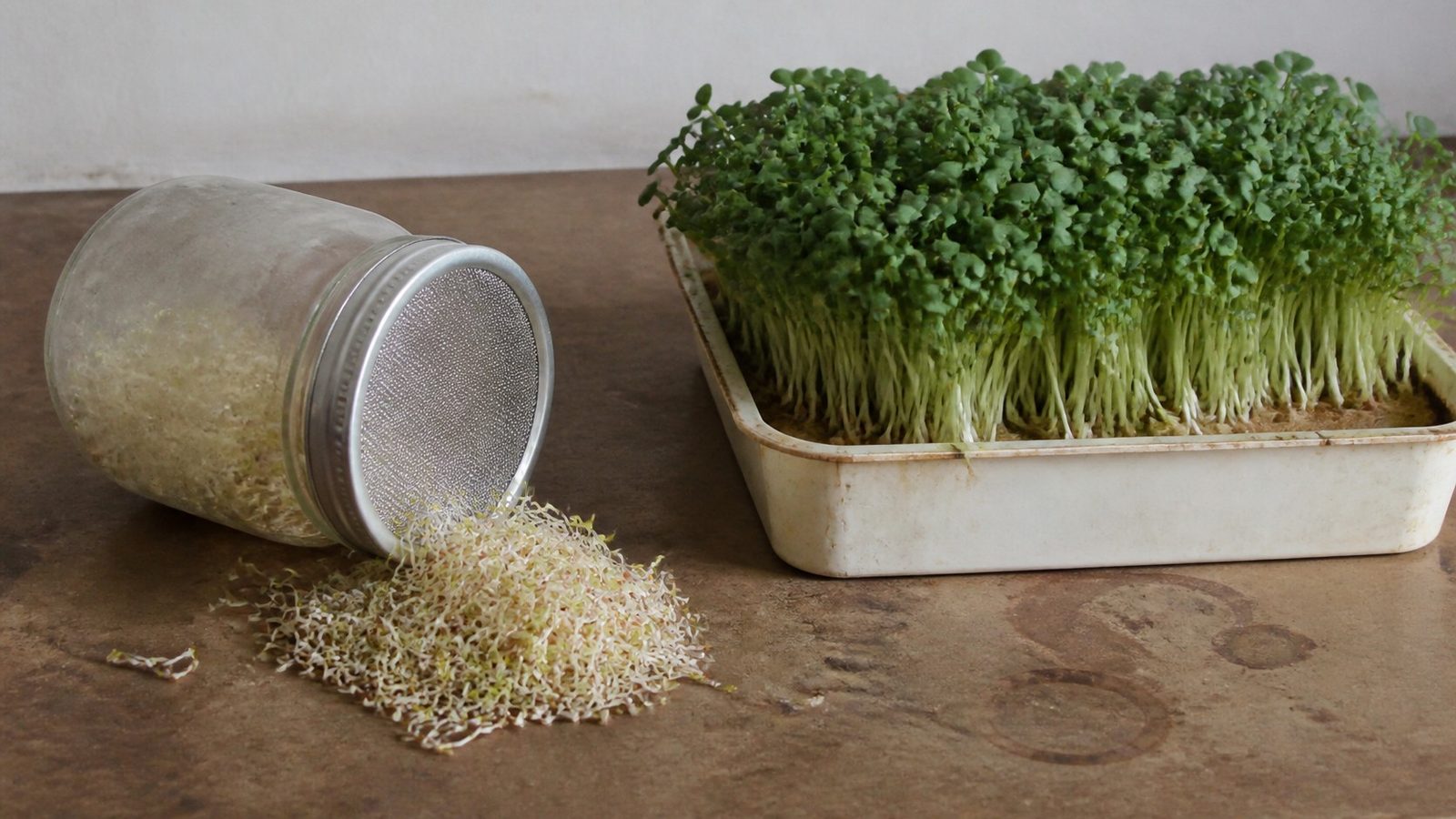
Microgreens vs Sprouts: The Difference Is a Cut, Not a Nutrient, and It Decides Which Federal Rule Applies
A sprout is eaten whole, a microgreen is cut above its roots, and that cut decides whether FDA's sprout rule applies. The nutrition claim used to rank them was measured on mature vegetables.
Part 2 of 7
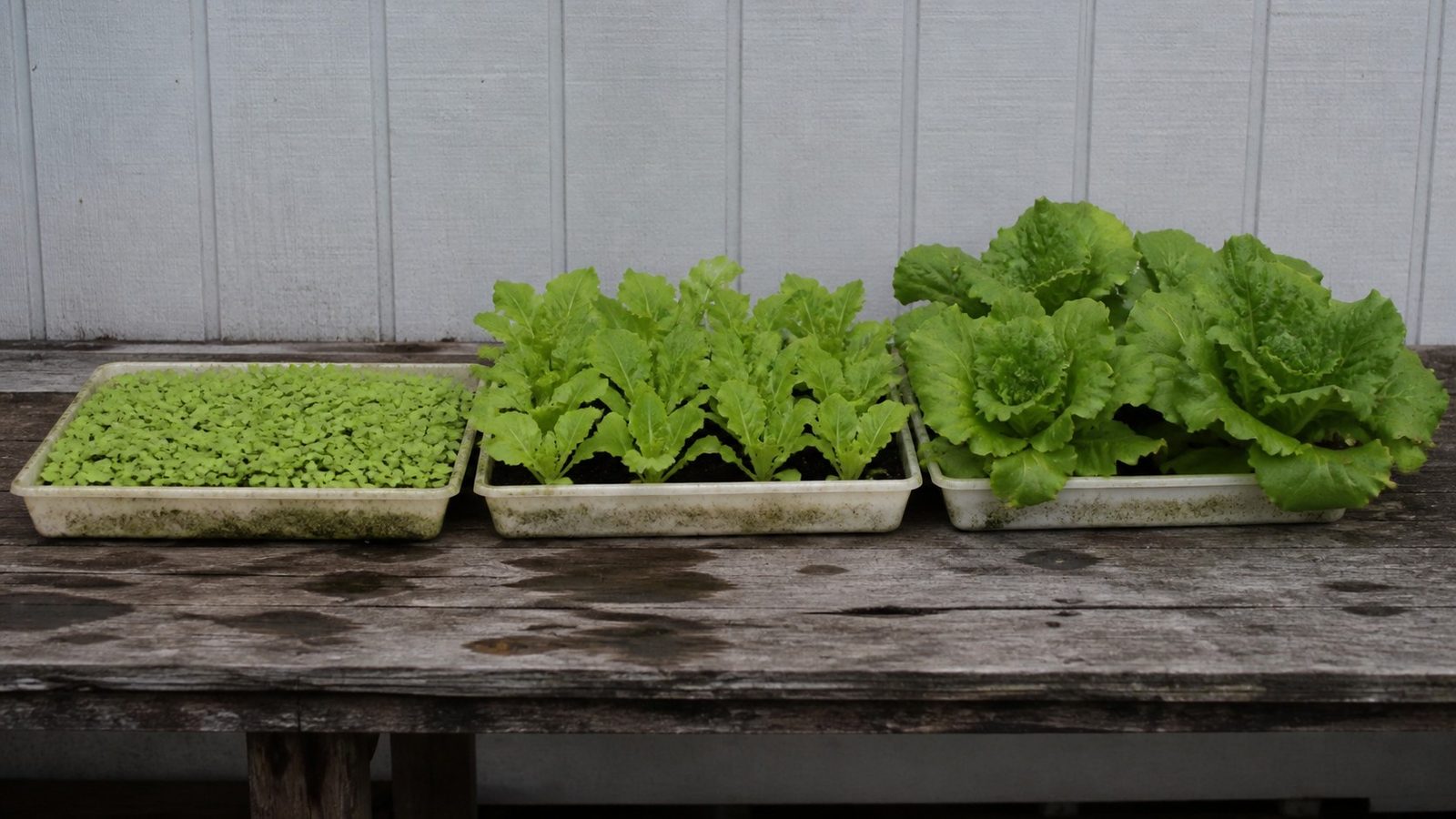
Microgreens vs Baby Greens: Same Seed, Same Tray, and the Only Difference Is When You Cut
These are harvest stages of one plant, not three foods. USDA and Maryland disagree on where microgreens end, 17 of 61 crops with a published harvest window break the day counts, and the yield result everyone cites is a density experiment.
Part 3 of 7
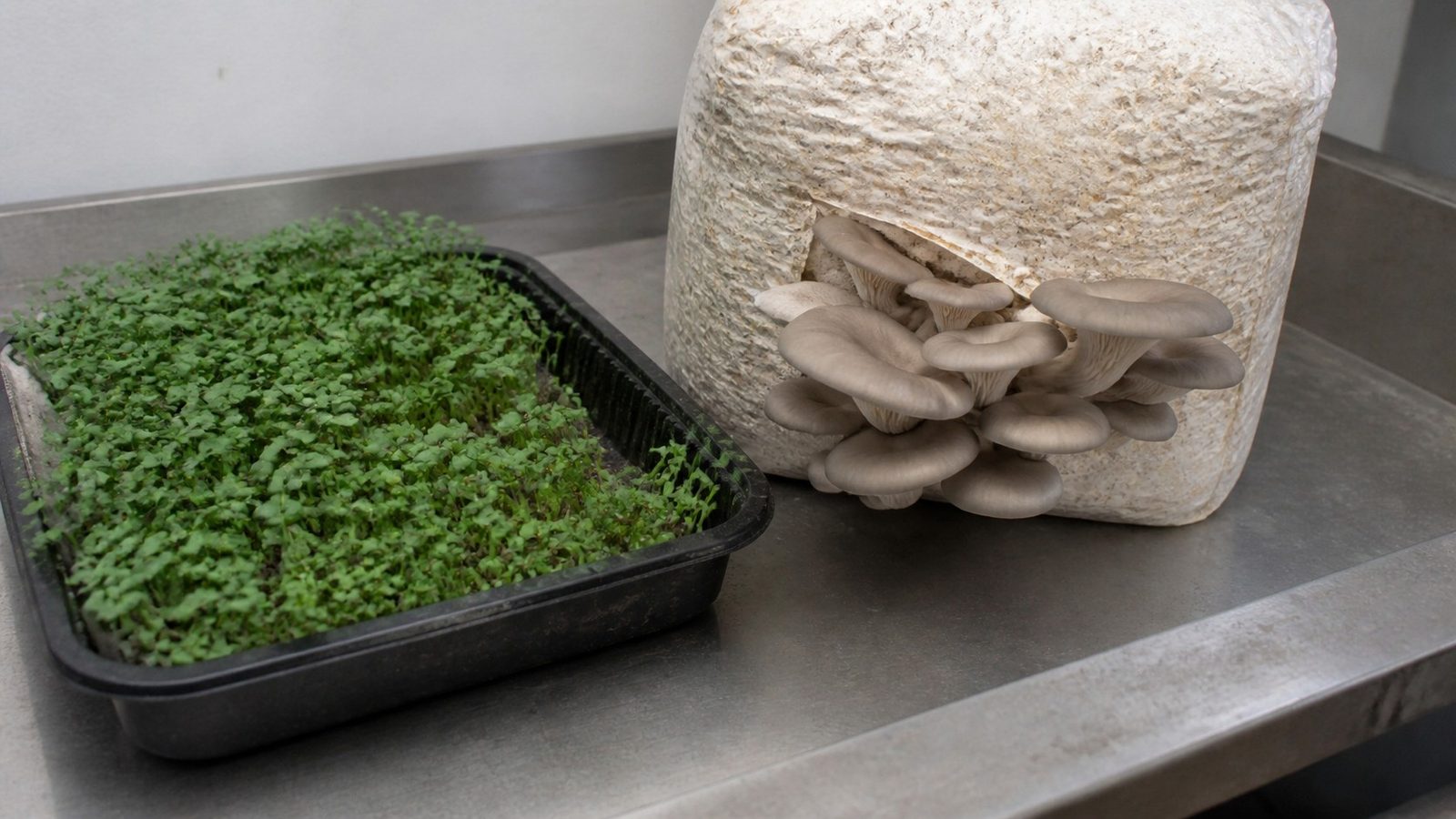
Microgreens vs Mushrooms: On Labor Per Pound the Two Overlap, and the Farm-to-Farm Spread Is 10.9-Fold
Put both crops on labor hours per pound and they land on top of each other. The variation between mushroom farms is 10.9-fold, which is larger than any gap between the crops, so the operator decides this and not the crop.
Part 4 of 7
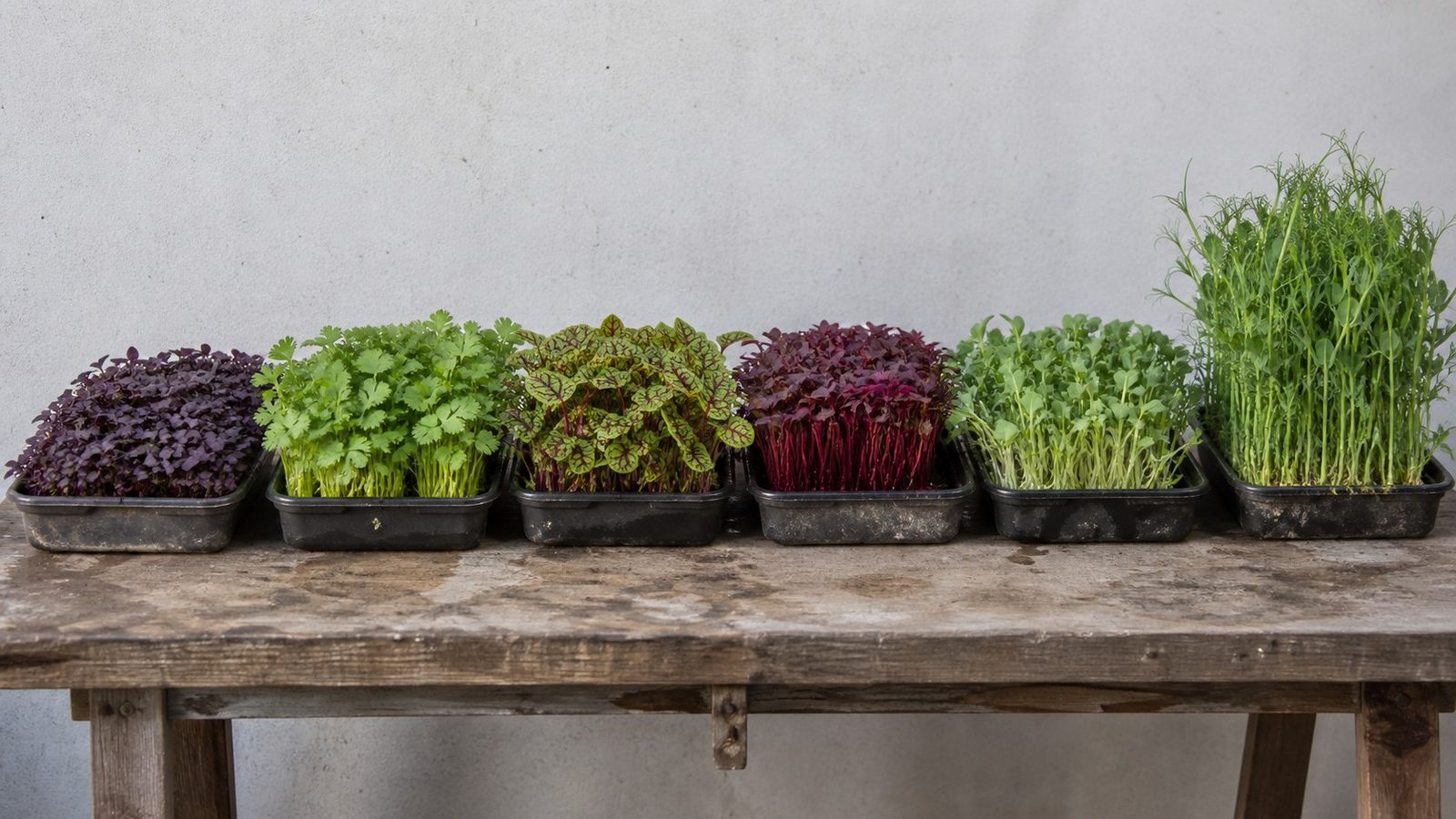
The Healthiest Microgreens: Which Are Most Nutritious, and Why the Ranking Collapses
Red cabbage leads vitamin C, red sorrel beta-carotene, cilantro the other carotenoids and green daikon radish vitamin E, all in one study. Converted to a real serving, first and third are 15 micrograms apart.
Part 5 of 7
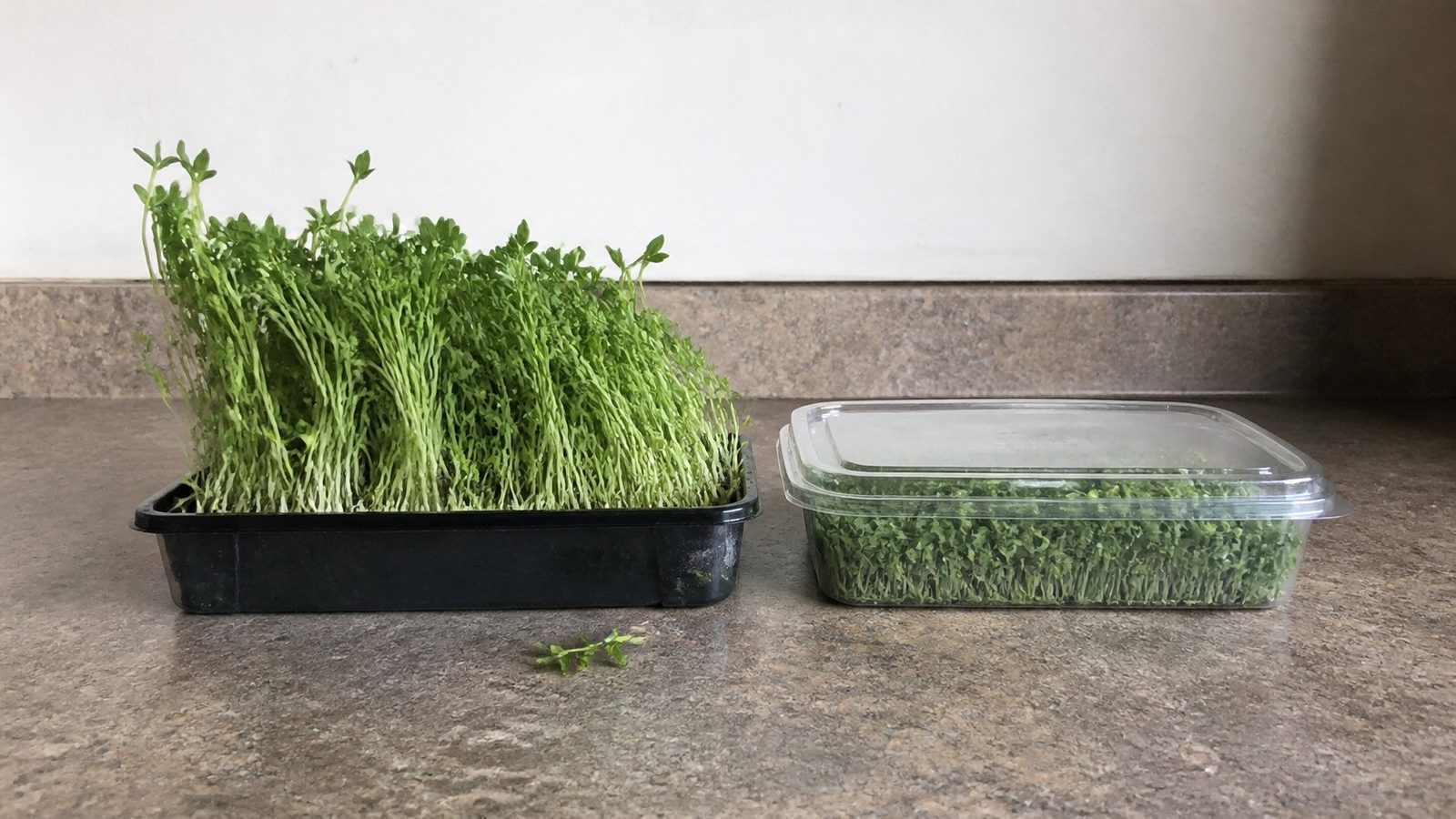
Grow or Buy Microgreens? The Answer Is an Hourly Rate, and It Is $23.60
Seed alone makes home growing look eleven times cheaper. Add medium, power, a failure rate and your own time at $20 an hour and the saving against the cheapest retail is 8 percent.
Part 6 of 7
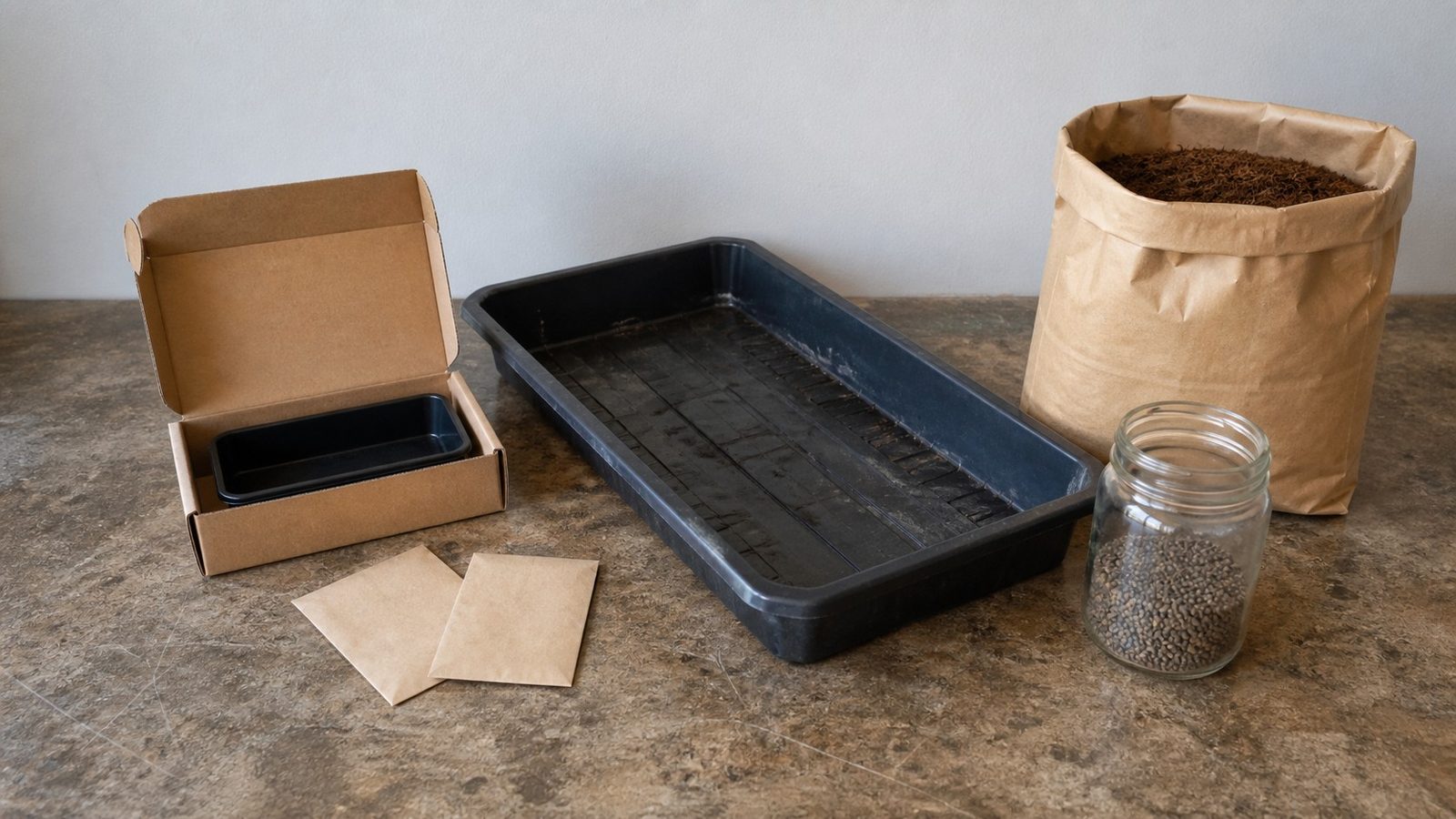
Microgreen Grow Kits Against DIY: The Cheapest Kit Is the Most Expensive
Priced per unit of growing area, the ranking inverts: the $60 kit is the cheapest and the $20 kit is nearly the dearest. Against assembling it yourself, the sample runs 6 to 40 times.
Part 7 of 7
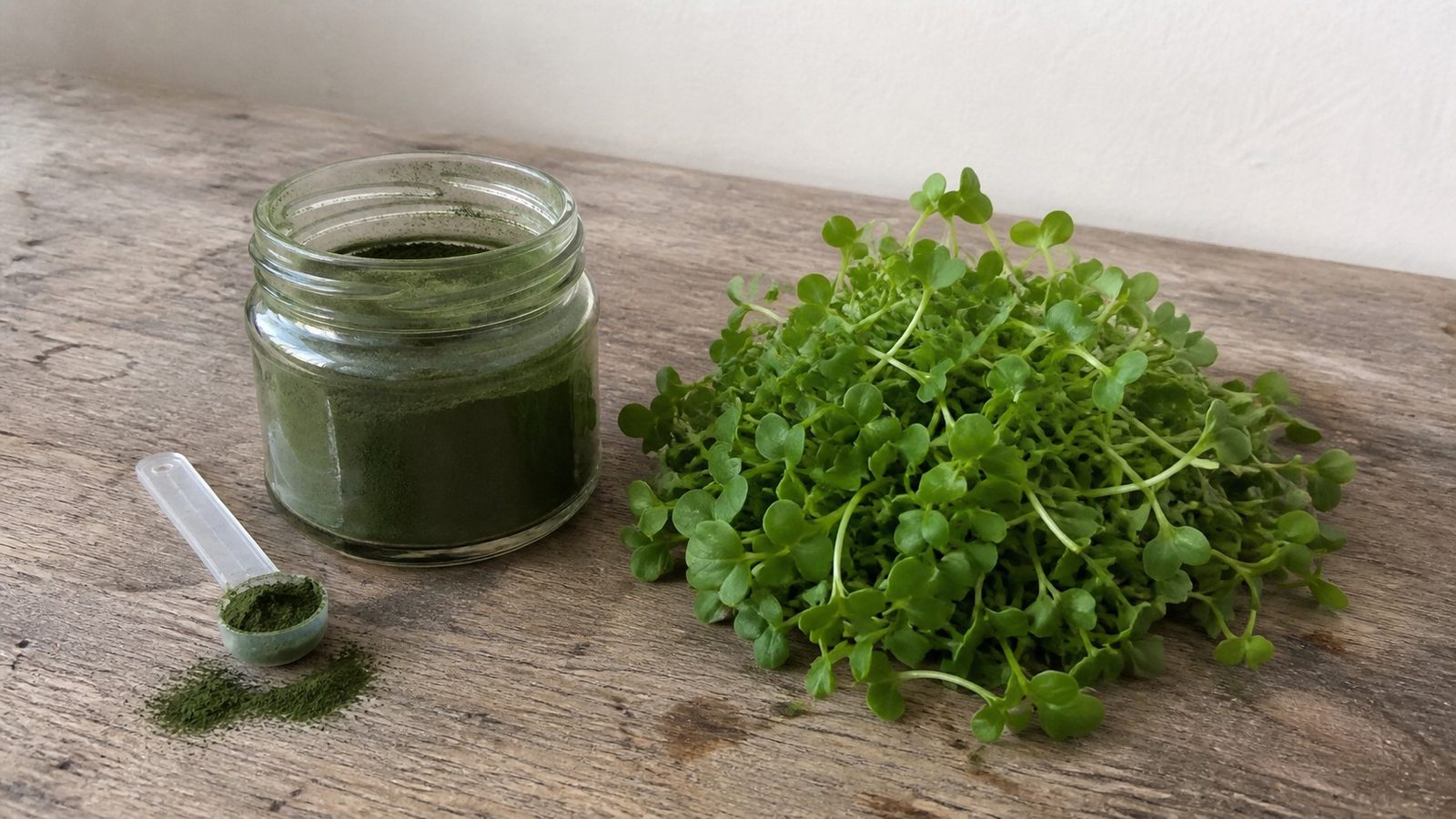
Microgreen Powder Against Fresh: What You Gain, What You Lose, and What Nobody Can Tell You
Sellers claim 80, 85, 95 percent or negligible loss. In the one broccoli study, retention ran from 4.42 percent for chlorophyll to 97.86 for potassium, a 22-fold spread. One number cannot describe that.