Best Microgreen Seed Suppliers for Every Grower Scale
Cal HewittPublished Checked
- buying
- seed
- comparison
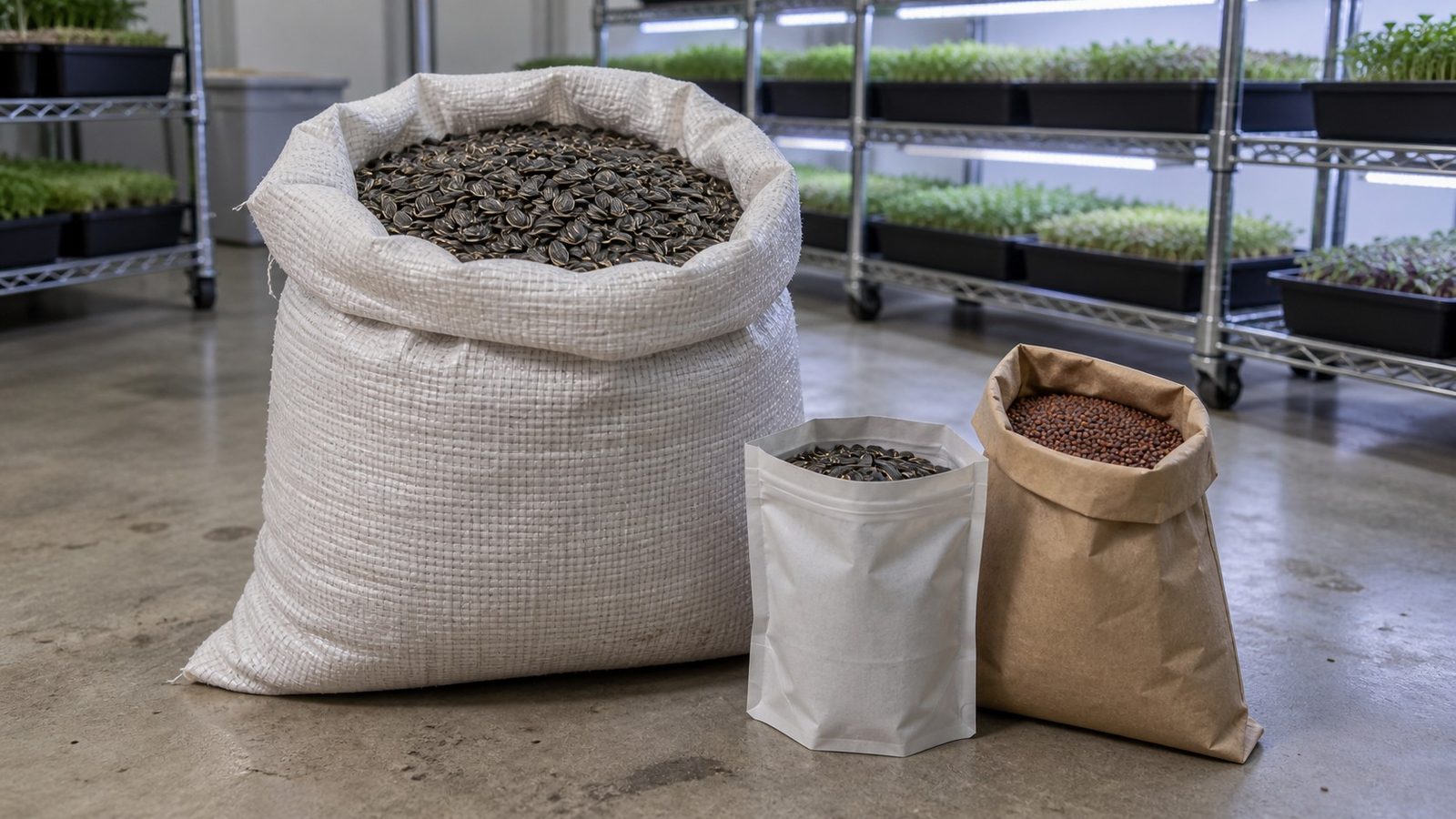
For a few trays a week, True Leaf Market is the easiest supplier to start with. Its black oil sunflower pages run from a 5 g packet to a 25 lb bag, the bag you receive carries the lot number and germination rate, and you can look up a lot's germination results online.
If you need certified organic seed with stated lab testing, Johnny's and Mumm's both publish their certifiers, and Mumm's names the pathogens it tests each lot for. For a wholesale account, True Leaf and Mumm's both run dedicated commercial sites. For Greener Harvest, High Mowing, SGO, Everwilde, Seedway, Sproutpeople and Sproutman, ask for germination and test records before you place a large order.
What a seed label and a testing claim each tell you
Germination, treatment, organic certification and pathogen testing are four separate questions. Seed can be organic and untreated without having been pathogen tested, so ask about each one.
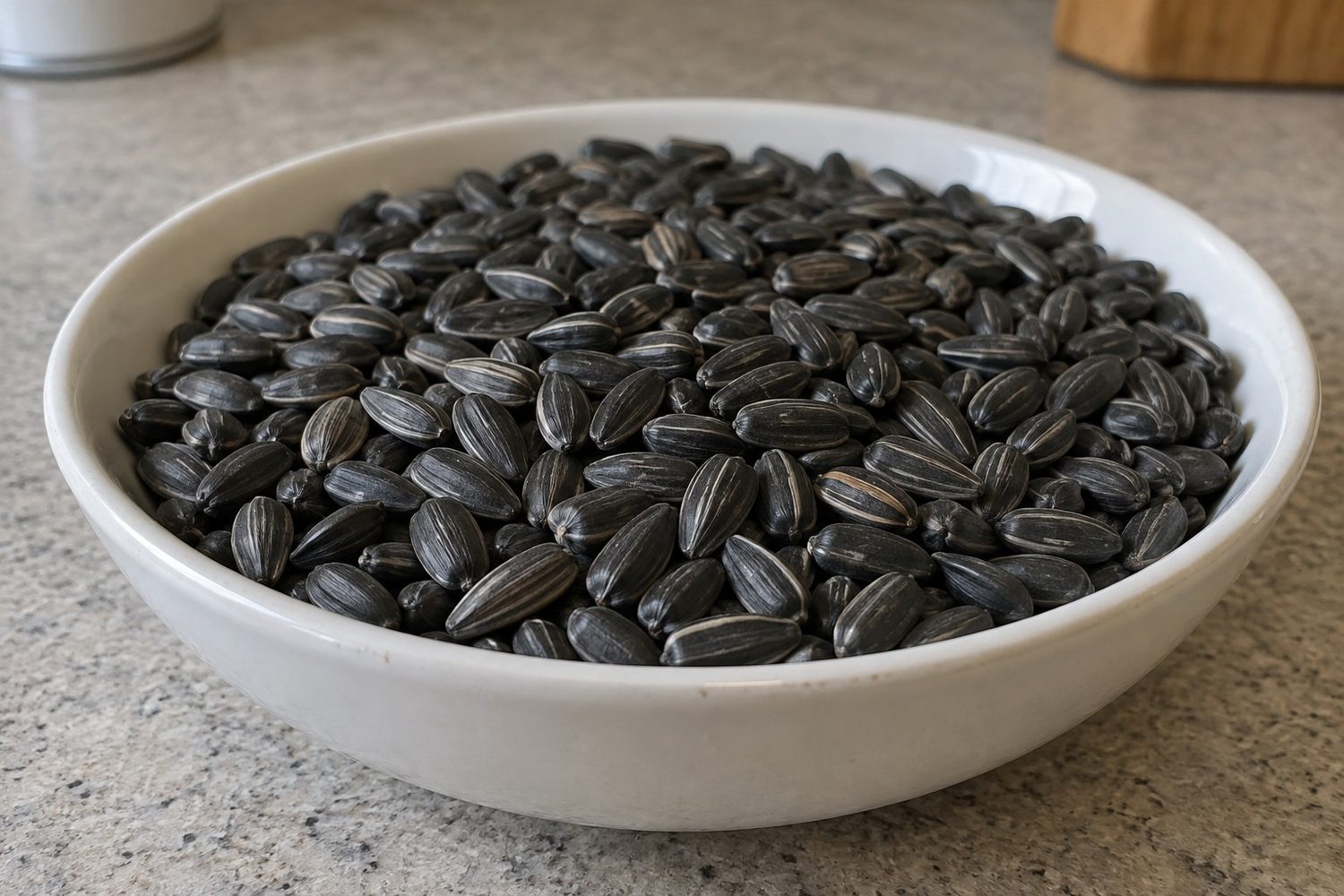
Germination labels vary for a reason. The Federal Seed Act requires agricultural seed labels to state the germination percentage and the month and year of the test, and its vegetable seed provisions set containers of one pound or less apart. A small vegetable packet that meets the germination standard can go without a printed rate, so once you're sowing by the pound, ask for the rate.
Pathogen claims vary too. FDA's 2023 guidance on growing, harvesting, packing and holding sprouts is written for firms that grow and handle sprouts. Microgreens are young seedlings cut above the growing medium rather than whole sprouts (see the difference between microgreens and sprouts), and no supplier statement applies the sprout guidance to microgreen seed as such. When you read a pathogen claim, check whether it names the sprouting line or the microgreen line.
Penn State Extension's ABCs of Microgreens advises untreated, uncoated seed sold specifically for sprouts and microgreens, and says the best seed companies report a lot number, the average number of seeds per pound, germinability and the germination test date. Seeds per pound is what sets your sowing density, and the wider checklist is in buying microgreen seed.
The suppliers, one at a time
All ten suppliers below come up when growers recommend where to buy microgreen seed. One microgreen farm bought 79% of its seed from True Leaf, 10% from Johnny's, 5% each from Mumm's and SGO, and 1% from Greener Harvest, with Seedway and High Mowing among its backups (Microgreen Manager). That is one farm's buying record, not a market survey.
True Leaf Market
True Leaf, based in Utah, sells separately labeled microgreen and sprouting seed lines. On September 12, 2026, the organic black oil sunflower page showed $16.31 for 1 lb, $48.38 for 5 lb (an effective $9.68 per lb) and $180.68 for 25 lb (an effective $7.23 per lb). The conventional black oil page, sold under the Mountain Valley Seed Company brand, showed $10.55 for 1 lb, $25.05 for 5 lb ($5.01 per lb) and $86.22 for 25 lb ($3.45 per lb), along with a 5 g packet at $2.99 and 4 oz at $5.80.
Those are the prices shown on True Leaf's pages on September 12, 2026. They compare pack sizes inside one supplier's own price ladder on one day, and they don't rank True Leaf against anyone else. To compare another supplier, price the same variety, the same organic status and the same weight on the same day.
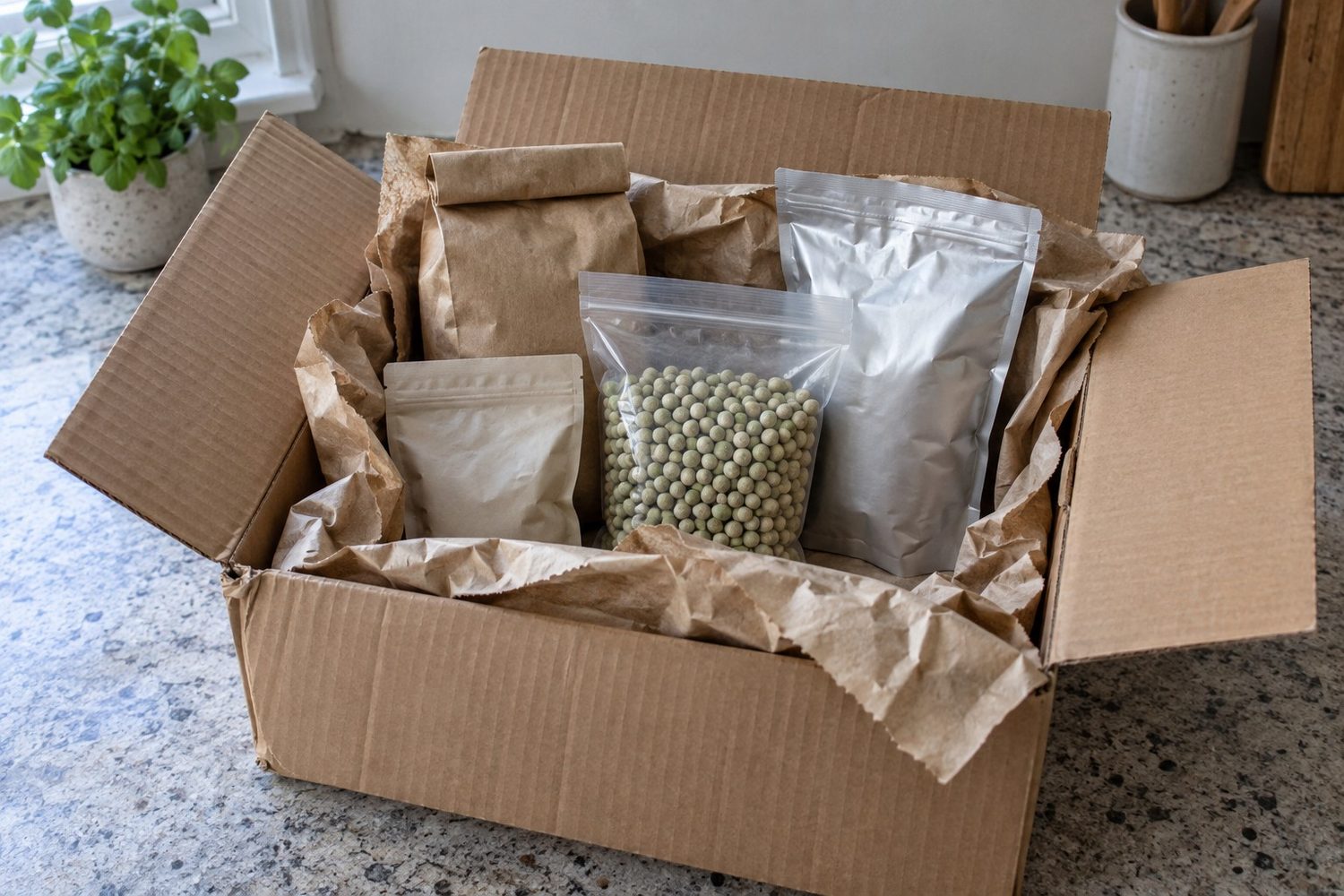
True Leaf Wholesale says it germination tests every lot and that the bag carries the lot number and germination rate (wholesale FAQ); on retail orders, too, the rate is on the bag rather than the product page. Enter the lot number printed on your packet into the Seed Germination Lookup to see that lot's test results. The 30 Day Guarantee covers seed for 30 days from the ship date, accepts returns for any reason in that window, and asks you to contact True Leaf with the lot number if seed fails to germinate. If a tray comes up thin, check the common causes of poor germination first, then call with the lot number in hand.
True Leaf says seed sold for sprouting is tested for salmonella, E. coli and listeria when it's received, and isn't released until it's confirmed safe for sprouting (testing interview). That statement covers the sprouting line. For a pathogen record on microgreen seed, ask customer service for the certificate of analysis on your lot, which True Leaf says its representatives can provide. Wholesale buyers can also request pathogen testing, a specific lot, phytosanitary paperwork or a custom size.
True Leaf's organic certificate is from Oregon Tilth (NOP ID 8150001723, issued August 10, 2026), linked from its certifications page, and the USDA Organic Integrity Database record for that ID lists "Sunflower Seeds (Black Oil Microgreen)." Retail orders of $60 and over ship free to the lower 48, with smaller orders starting at $8.95 (shipping policy); wholesale freight is calculated at checkout. True Leaf Wholesale says most of its bulk seed is grown by its Seeds by Design operation in California. For treatment, read each item's label or ask.
Johnny's
Johnny's, in Maine, sells a dedicated microgreens line with organic and bulk quantities, and that page shows free standard shipping on orders over $200. Johnny's says certified seed labs run its initial and regular-cycle germination tests, that pathology tests are done at certified outside labs, and that its seed storage is climate controlled (seed quality page). Those statements describe the process rather than giving a result for a lot, and the pathology statement doesn't name the organisms tested. Before a bulk order, ask Johnny's for the germination percentage and test date of the lot you'll receive, and which pathogens its pathology testing screens for.
Johnny's is certified organic by MOFGA, a USDA-accredited certifier. Its organic certificate (NOP ID 7142070692) and organic product listing were both issued February 26, 2026, and the listing names microgreen items such as 2539MG Red Rambo OG for Microgreens. Its organic FAQ covers both untreated organic and untreated conventional seed rather than one claim for the whole catalog, so check treatment item by item. Johnny's satisfaction guarantee says it will replace the item or refund the purchase price, with claims made within 30 days of finding the problem.
Mumm's
Mumm's is in Saskatchewan, Canada, and supplies seed for both sprouts and microgreens. It says it works with organic family farms in Saskatchewan and internationally (home page), and that all of its seed is certified organic, with Ecocert Canada certification to Canadian Organic Standards (certificates page). Its food safety statement names the organisms: Mumm's says it samples each lot, probes every bag when it arrives at the warehouse, and sends samples to an independent lab for Salmonella and E. coli before releasing the seed (safety page).
For germination, ask Mumm's for the rate and test date on the lot you're buying, and ask for a copy of the lab result for that same lot. Larger growers can order through its commercial site, which says each lot is lab tested for pathogens and purity. Mumm's ships free on orders over $75 within Canada and over $100 to the United States. Because the seed crosses a border to reach US growers, read the import question in the FAQ below before your first order.
Greener Harvest
Greener Harvest, in Louisiana, describes its catalog as microgreen seed, and its shipping policy offers free shipping on orders over $100 within the domestic US. Before you order in quantity, ask for the germination percentage and the month and year of the test on the lot, whether the seed is treated or coated, whether any of it is certified organic and by which certifier, and whether there's a pathogen test record for the lot. Ask too what happens if a lot doesn't germinate.
High Mowing
High Mowing is in Vermont. It sits on the backup list of the farm mentioned above and gets a recommendation in a March 2026 grower thread. For microgreen buying, ask High Mowing which pack sizes it sells microgreen seed in, what shipping costs and where free shipping starts, the germination percentage and test date for the lot, and whether it has a pathogen test record. For organic scope, look the company up in the USDA Organic Integrity Database and check that the certified product list covers the items you want.
SGO (Sungrown Organics)
SGO is in California. The farm's supplier article reports that SGO grows microgreens and sprouts using the seed it sells, and that buying means contacting SGO and setting up a wholesale buyer account (Microgreen Manager). That's one grower's account, so confirm the terms with SGO directly. The same farm buys its sunflower seed from SGO and Mumm's. When you contact SGO, ask for account minimums, pack sizes, shipping charges, germination results by lot, treatment status, organic certification and any pathogen testing it runs.
Everwilde
Everwilde has an organic microgreen section and lists free shipping to the lower 48 at $75. Its return policy accepts unopened packets within 30 days and excludes opened seed, so it covers seed you decide not to use rather than a tray that didn't come up. Ask Everwilde whether it replaces seed that fails to germinate, which certifier covers the organic section, and what germination rate and test date apply to the lot you'll receive.
Seedway
Seedway, in New York, is also on that farm's backup list, and the author notes he hasn't used its seed yet. Contact Seedway for the microgreen varieties and pack sizes it carries, germination results for the lot, treatment status, organic certification and shipping terms.
Sproutpeople
Sproutpeople sells microgreen products. Ask whether any pathogen testing it does covers microgreen seed or only seed sold for sprouting, and ask for the lot number, germination rate, test date and treatment status for the seed you're ordering.
Sproutman
Sproutman is one of the suppliers growers named in a 2023 discussion of where to buy seed. Put the same questions to Sproutman that you'd put to Sproutpeople: which seed its testing covers, the lot's germination rate and test date, whether the seed is treated, and the organic certificate if the seed is sold as organic.
Matching a supplier to how much you grow
Write down the crops you grow and roughly how many pounds of each you use in a month (a pocket scale makes the tally exact), then pick the supplier whose pack sizes and shipping fit that number.
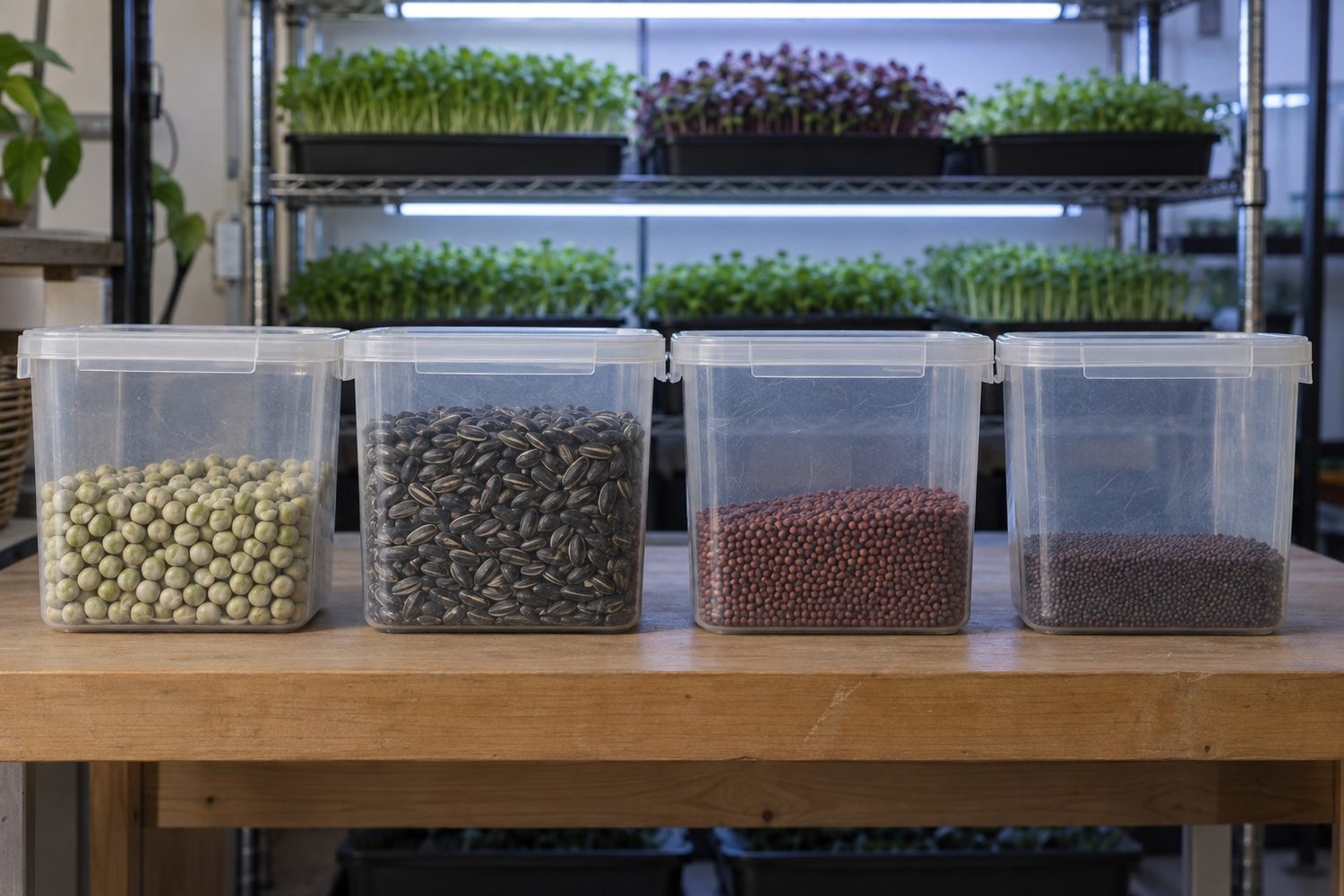
A few trays a week. Small packs and a low free shipping line matter more than price per pound. True Leaf's 5 g and 4 oz packets let you trial a crop, and its $60 free shipping threshold is reachable with a mixed order; Everwilde's is $75. Buy what you'll sow soon, check how long microgreen seeds last, and if you buy ahead, look at seed storage options such as indicating desiccant packs.
A market stand. This is where 5 lb and 25 lb bags start to pay. At the price shown on True Leaf's conventional black oil page on September 12, 2026, going from a 1 lb bag to a 25 lb bag took the effective price from $10.55 to $3.45 per lb. Johnny's offers bulk microgreen quantities with free shipping over $200. If buyers ask for certified organic, Johnny's, Mumm's and True Leaf each publish certification you can point to. Record each bag's lot number against the trays you sow from it.
A wholesale account. True Leaf Wholesale takes bulk spot orders online and handles special requests, with freight calculated at checkout. Mumm's runs a commercial site for growers, and SGO, by the farm's report, sells through a wholesale buyer account. Ask each one for account minimums, credit terms and what it takes to qualify.
What to ask any supplier before a large order
When a supplier hasn't posted germination or pathogen details, a short email with specific questions gets you an answer you can act on. Ask for:
- The crop, variety and intended use (microgreens or sprouts) the lot is sold for
- Whether the seed is treated or coated
- The lot number and where the lot was grown
- The germination percentage and the month and year of the test
- The pathogen test record or certificate of analysis for that lot, showing which pathogens, which laboratory, what method and the test date
- How the supplier tells buyers about a recall
- Storage instructions and any use-by date
- The organic certificate, if the seed is sold as organic
The test record fields follow FDA's sprout guidance, which lists lot number tested, laboratory, results, method and date tested, plus a seed treatment record. File the answers next to the lot number.
Frequently asked questions
Does certified organic seed mean it has been pathogen tested?
No. Organic certification and pathogen testing are separate claims. In a 2023 study of 102 seed samples bought from 26 online vendors, coliforms turned up in 48% of samples and no E. coli was detected, and crop species was significant in the results while vendor type and organic status were not (Frontiers in Sustainable Food Systems).
Is "sprouting seed" a legal grade of seed?
No. FDA's 2023 sprout guidance doesn't create a legal grade called sprouting grade or food grade (FDA). A sprouting label tells you the supplier's intended use, so ask for the lot's test record if you want to know what was screened.
Does the date on a True Leaf seed label mean the seed expires then?
No. True Leaf says the date on its labels is the date the seed was last tested for viability, not an expiration date (True Leaf). Use it to judge how recent the germination figure on the bag is.
Can I order seed from Mumm's if I grow in the US?
Mumm's ships to the United States, and APHIS says a buyer ordering seeds online from another country is responsible for meeting import requirements. Most planting seeds need a PPQ 587 permit or an exemption, and the requirements vary by species and country (APHIS). Check the APHIS page for the species you're ordering, and ask Mumm's what paperwork travels with the shipment; APHIS decides what applies.
If a lot's pathogen test came back negative, is the seed free of pathogens?
Not necessarily. FDA says a negative test does not establish that a lot is pathogen free (FDA guidance). The test record tells you what was checked, how and when, which is why it belongs in your files next to the lot number.
Before you place the order
Match pack sizes and shipping to your monthly pounds, compare prices only for the same variety, organic status and weight on the same day, and send the questions above to any supplier that hasn't posted germination or pathogen details. Keep every lot number; guarantees, germination lookups and test records all run on it.
Sources
Prices, stock and specifications are as the linked pages showed them on 2026-09-12.
- Federal Seed Act
- growing, harvesting, packing and holding sprouts
- ABCs of Microgreens
- Microgreen Manager
- organic black oil sunflower page
- conventional black oil page
- wholesale FAQ
- Seed Germination Lookup
- 30 Day Guarantee
- testing interview
- certifications page
- USDA Organic Integrity Database record
- shipping policy
- microgreens line
- seed quality page
- organic certificate
- organic product listing
- organic FAQ
- satisfaction guarantee
- home page
- certificates page
- safety page
- commercial site
- Greener Harvest
- shipping policy
- March 2026 grower thread
- Everwilde
- return policy
- Sproutpeople
- 2023 discussion of where to buy seed
- FDA's sprout guidance
- Frontiers in Sustainable Food Systems
- APHIS
Keep reading
The journal
Bulk Microgreen Seeds: Cost Per Tray by Bag Size
Buying bulk microgreen seeds cuts cost per tray, but only if the bag gets used fast enough. Compare 5 and 25 pound prices, shipping, and weekly tray needs.
Read Bulk Microgreen Seeds: Cost Per Tray by Bag SizeThe journal
Best Sprouting Trays and Jars for Home Sprouting
Compare the best sprouting trays, jars, sacks and automatic sprouters by format, price and cleaning needs, plus which seeds and buyers each one suits.
Read Best Sprouting Trays and Jars for Home SproutingThe journal
Best Tasting Microgreens: 233 Consumers Ranked Them, and Bull's Blood Beet Won
Preference has been measured on 233 consumers across three panels. Bull's Blood beet topped the only 0-to-100 ranking, pea shoots and Swiss chard led the other two, and milder crops won throughout.
Read Best Tasting Microgreens: 233 Consumers Ranked Them, and Bull's Blood Beet WonThe journal
Grow or Buy Microgreens? The Answer Is an Hourly Rate, and It Is $23.64
Seed alone makes home growing look eleven times cheaper. Add medium, power, a failure rate and your own time at $20 an hour and the saving against the cheapest retail is 8 percent.
Read Grow or Buy Microgreens? The Answer Is an Hourly Rate, and It Is $23.64