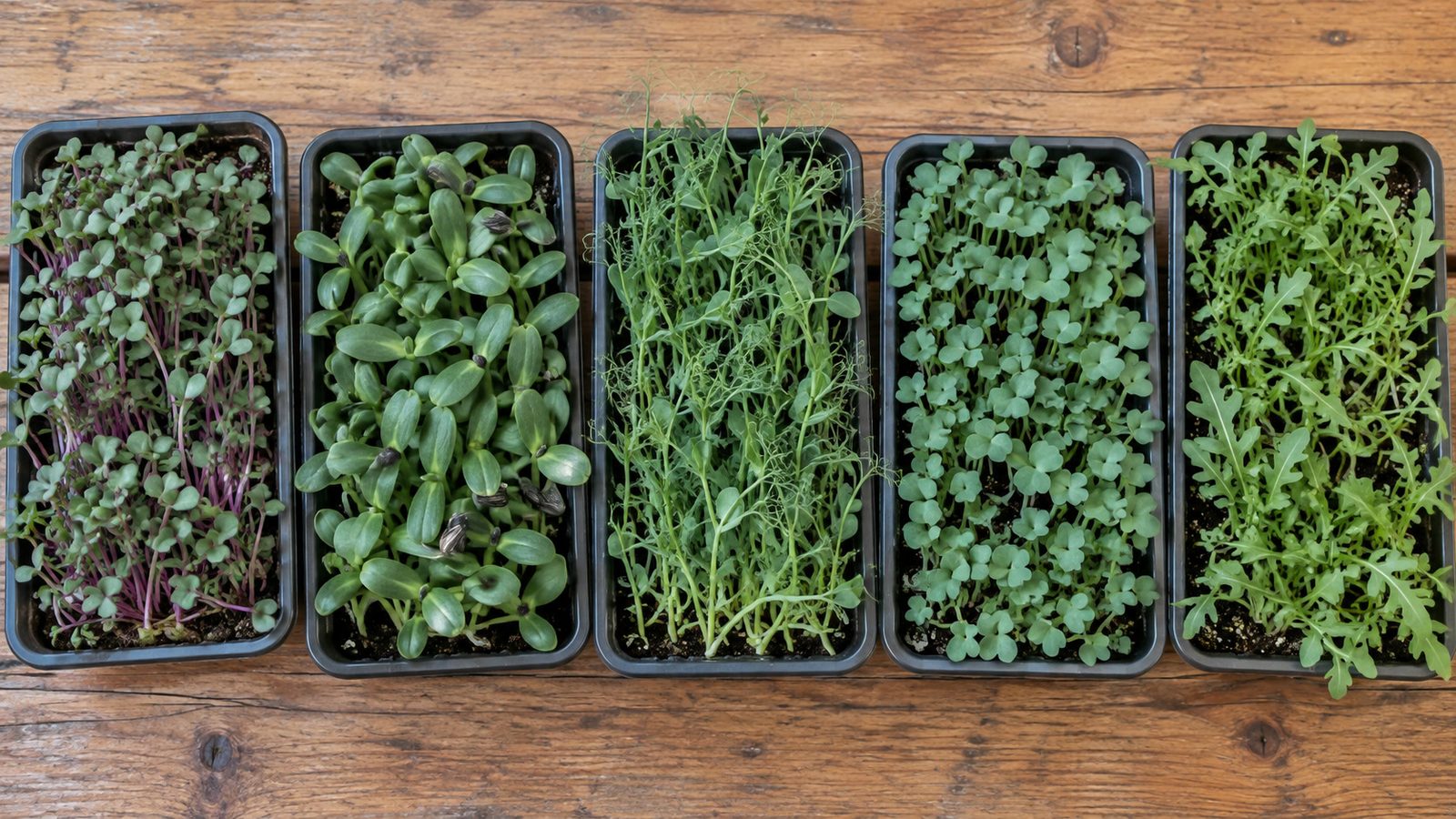
The Most Popular Microgreens, Ranked by Different Measures
Learn which crops top a US grower survey, a global market report and a seed retailer's best sellers to see the most popular microgreens three ways.
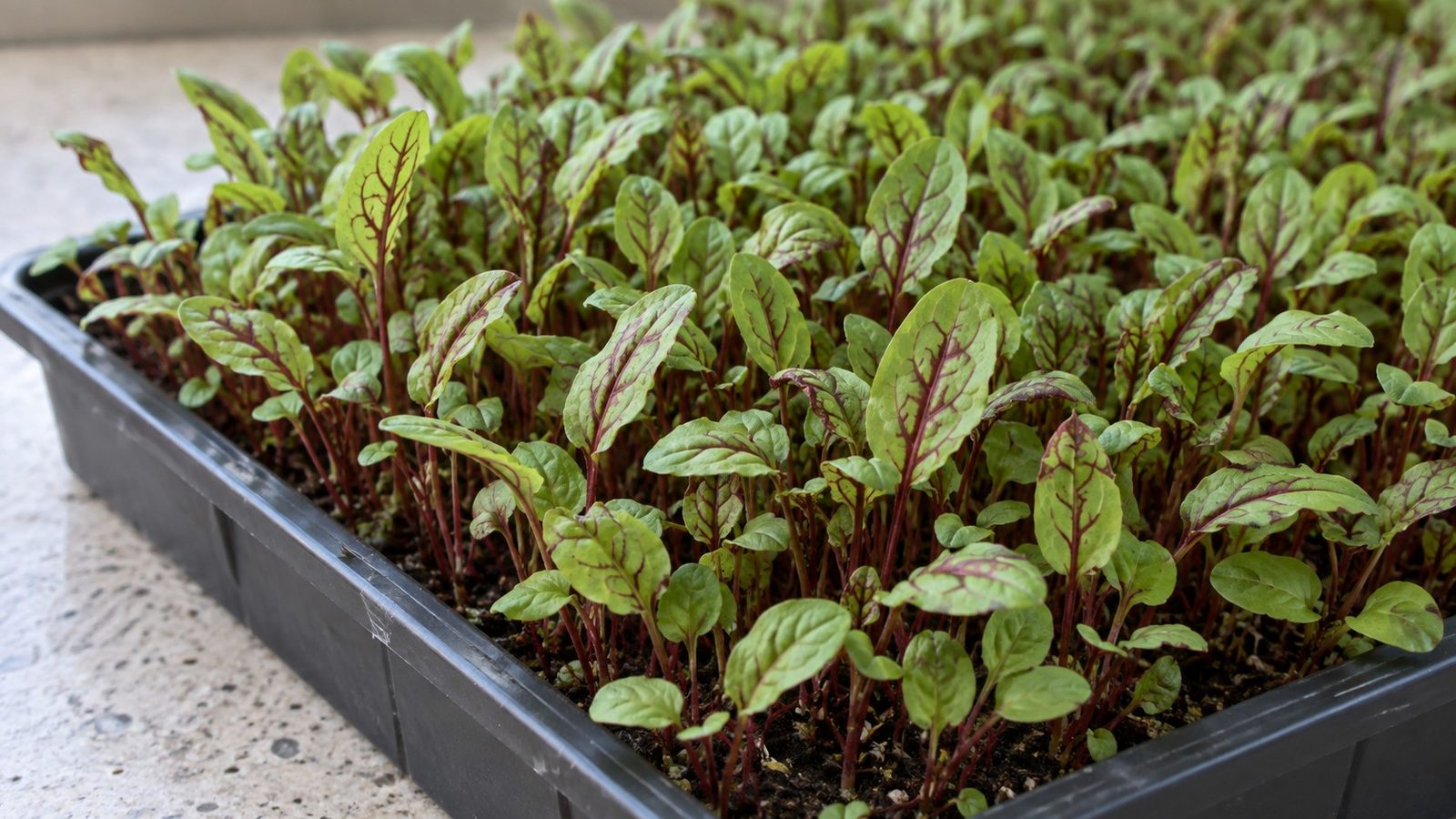
The Most Expensive Microgreens to Buy and Grow
Bronze fennel, red sorrel, and shiso can cost far more than common crops. See which are the most expensive microgreens to buy or grow, with dated prices.
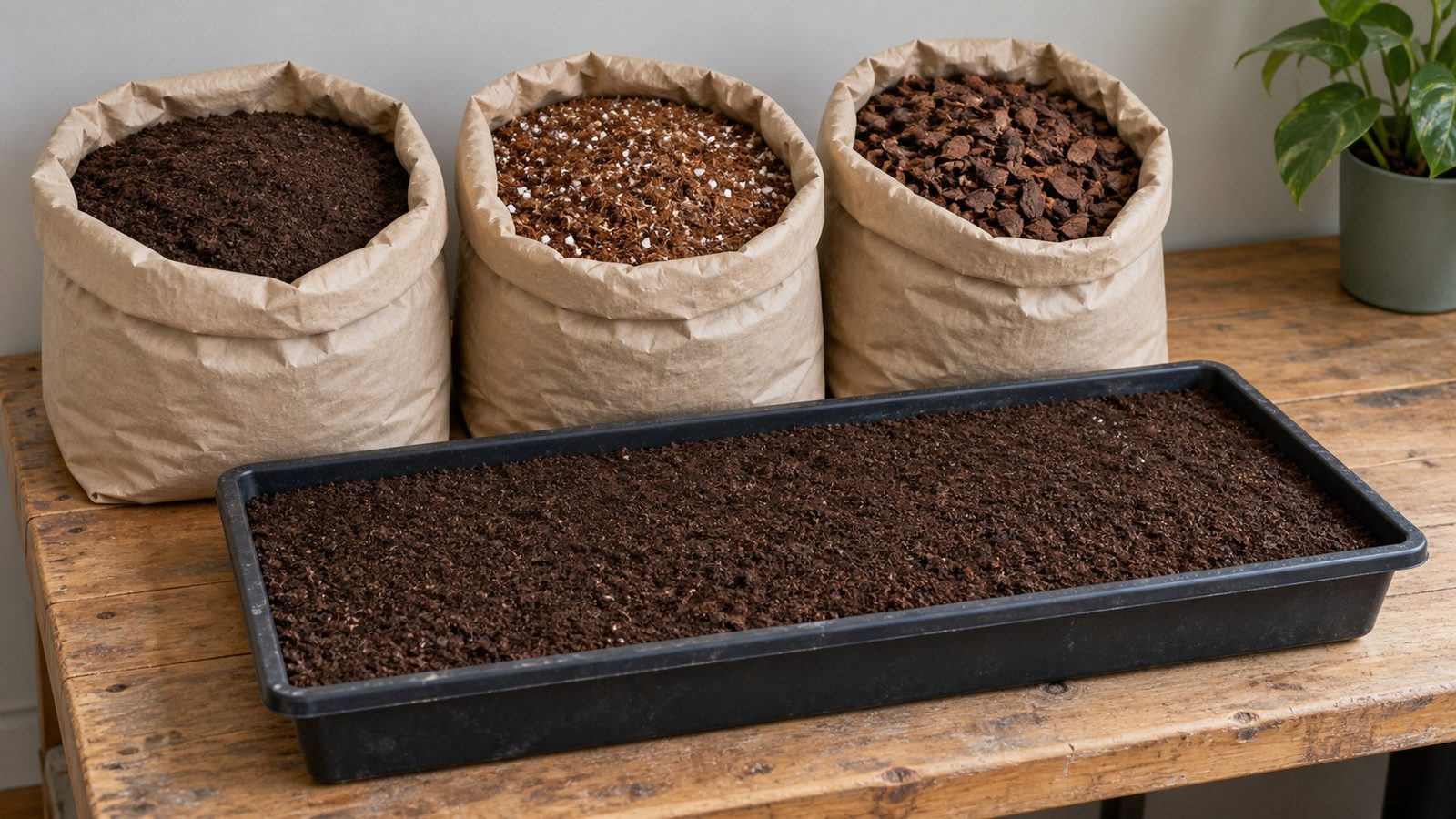
Best Potting Soil for Microgreens: Cost per Tray
Compare the best potting soil for microgreens by ingredients, bag size, trays filled per bag, and cost per tray, plus problems to expect from each mix.
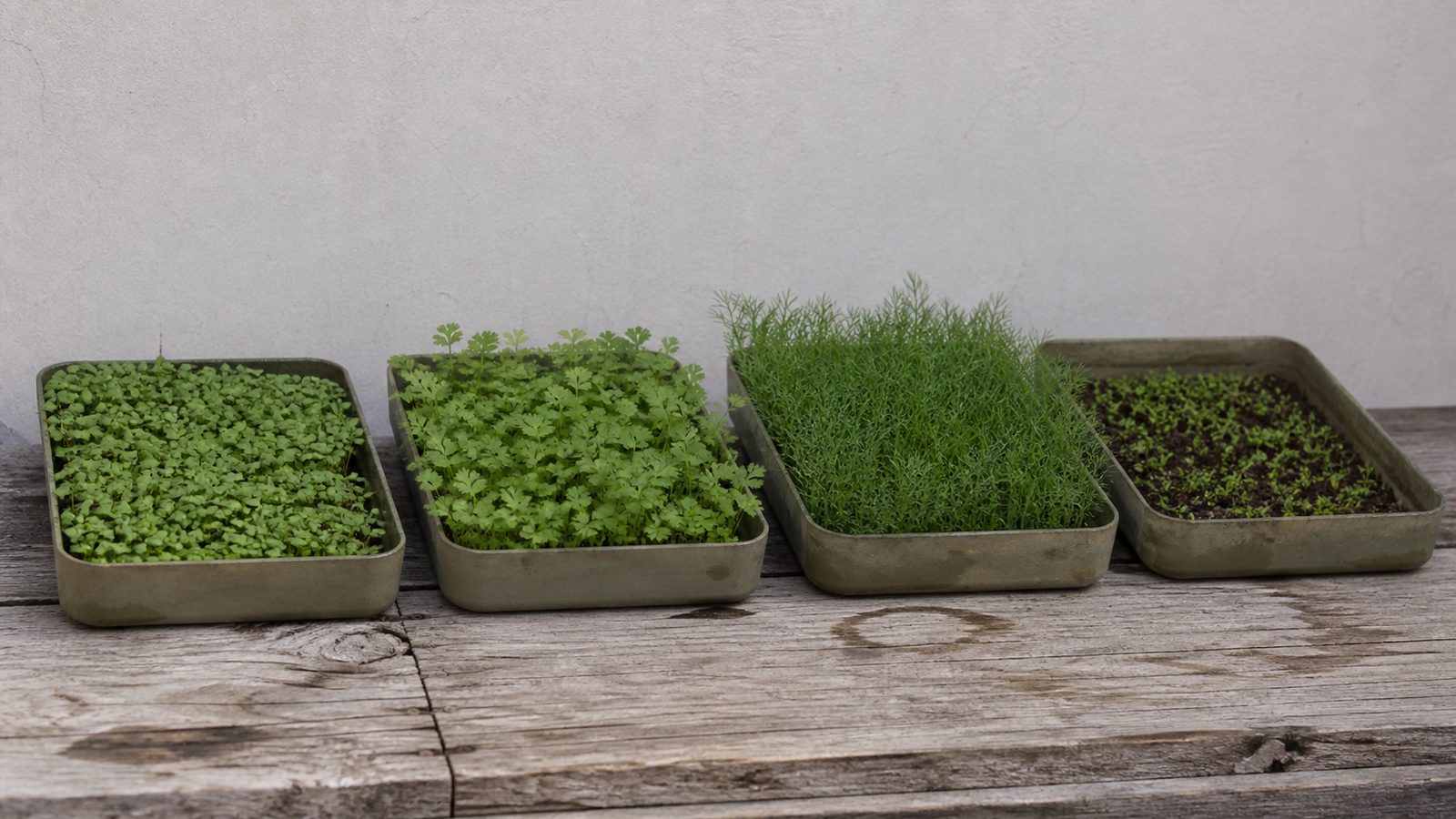
Herb Microgreens: Slower and Harder, and They Use Less Seed Than Everything Else
Herb-family crops take a median 19 days against 11.5 for everything else, and 8 of the 9 hardest crops are herbs. They also sow lighter, so the premium is bench time, not seed.
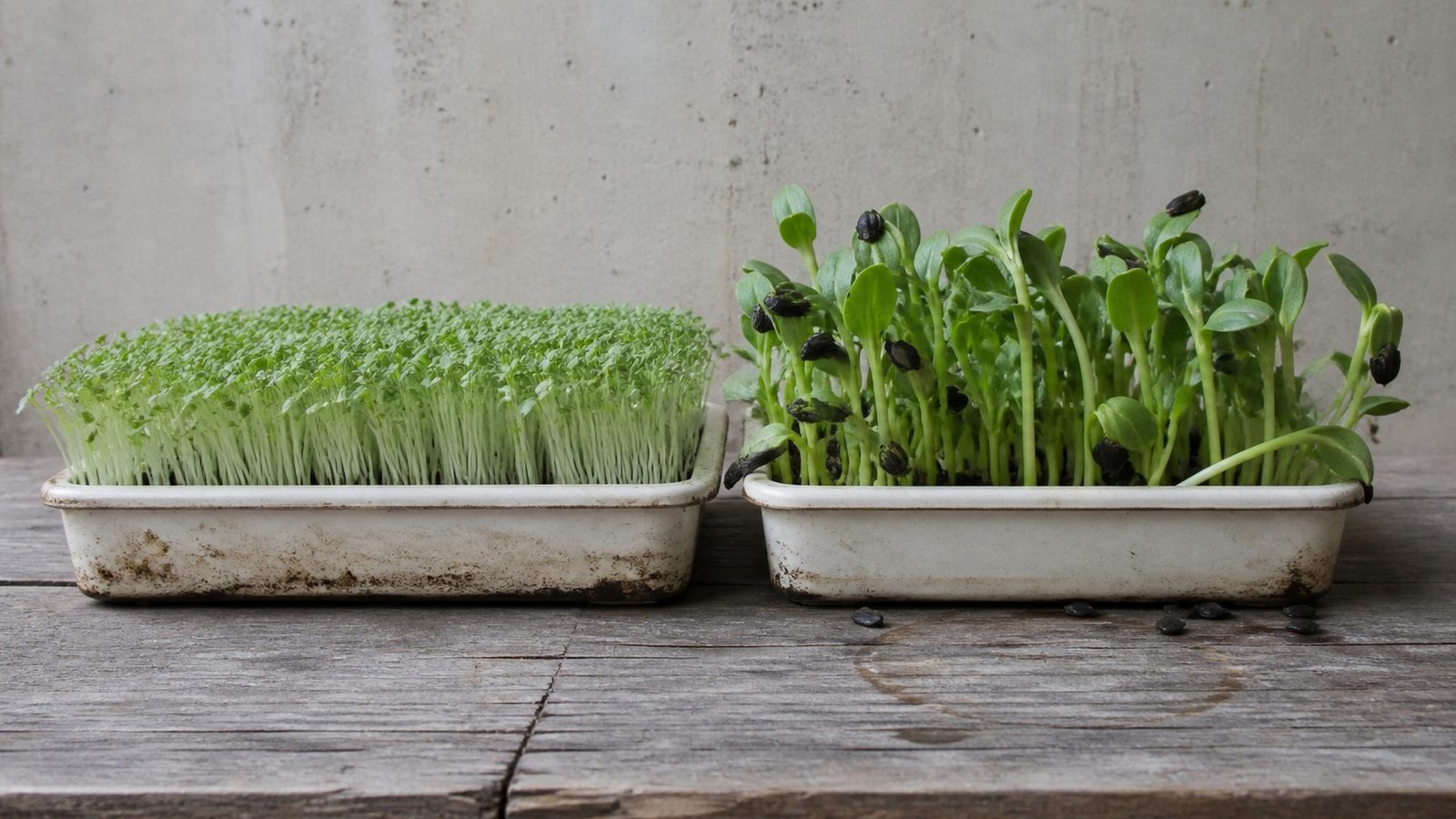
Which Microgreens Should a Beginner Grow? Start With Broccoli, Radish or Mustard
Nearly every beginner list names radish, pea and sunflower. Pea and sunflower are the only two of that set not rated beginner: both carry high mold risk, both need a soak, and both sow at six times the median seed rate.
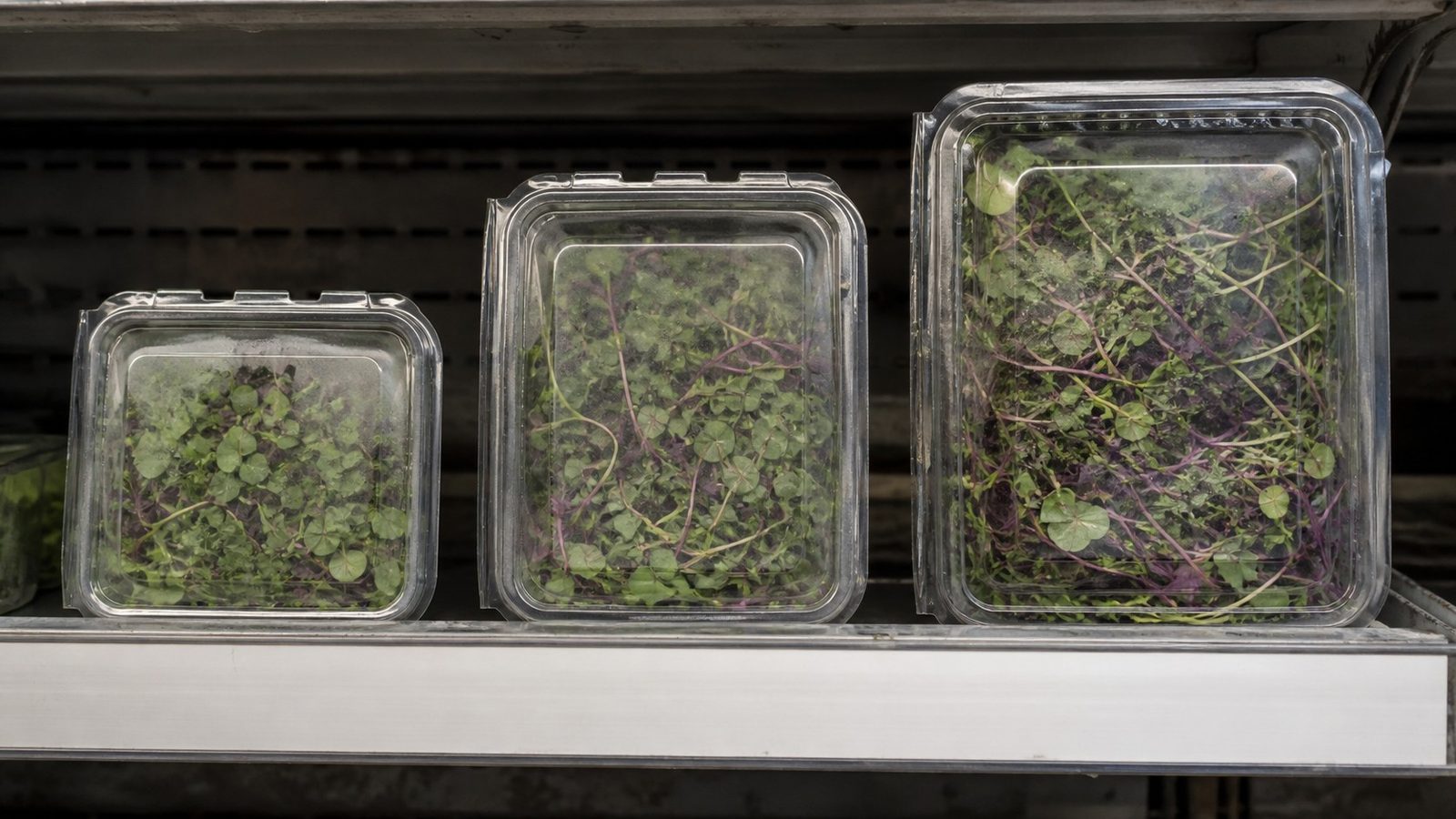
Buying Microgreens: The Same $6 Buys 60 Grams or 100
Across every observed price, what a shopper can actually pay spans 2-fold while sellers quote across 8.3. Farm-direct covers almost the whole range by itself, because pack size decides the price and the channel does not.
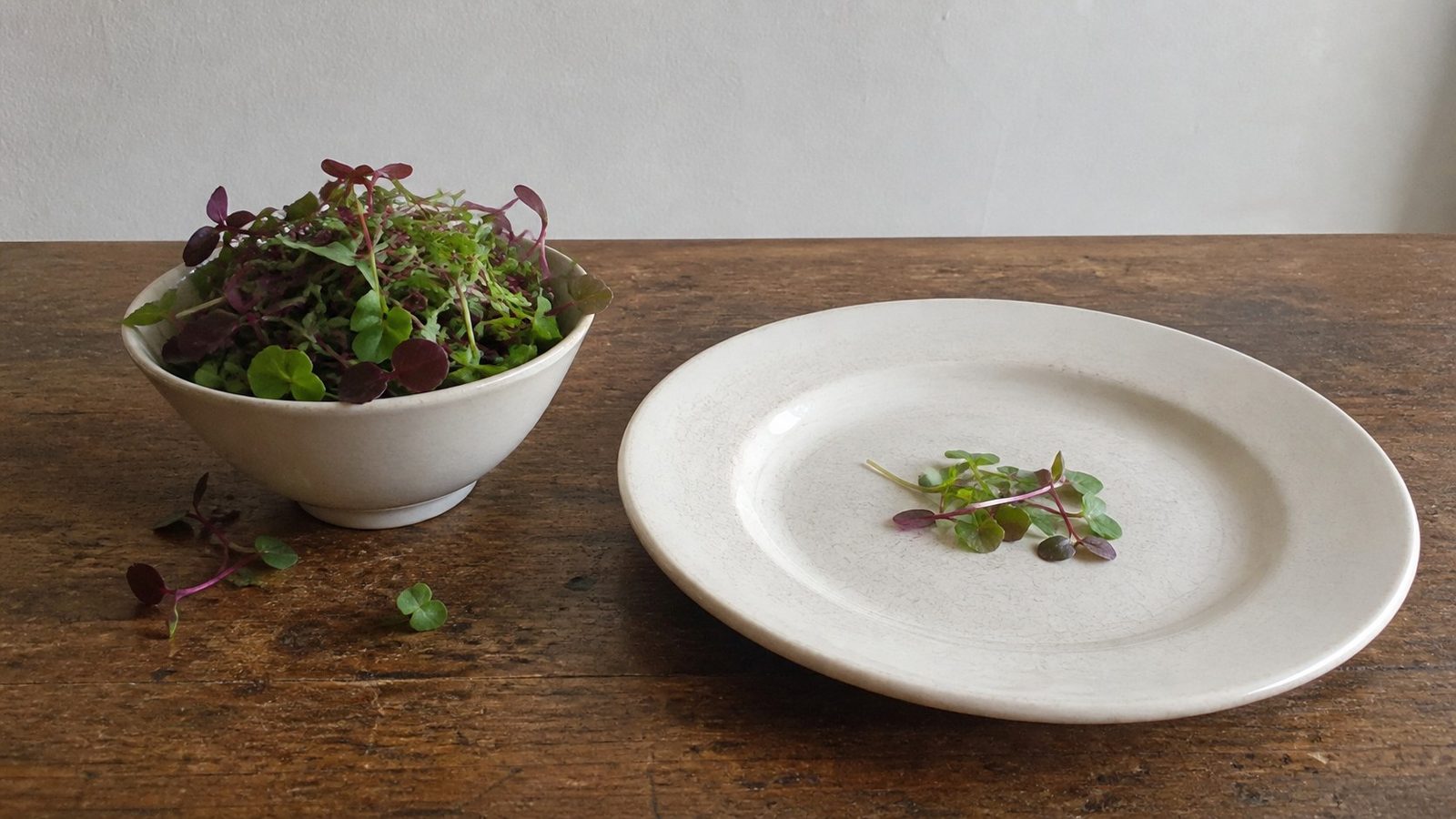
How Much Microgreens a Day? A Serving and a Dose Differ by Twelve Times
No regulator anywhere sets a daily microgreen intake. The only weighed serving published is 2.5 grams; the only daily-feeding trials used 28 to 30. Nobody has reconciled those two numbers.
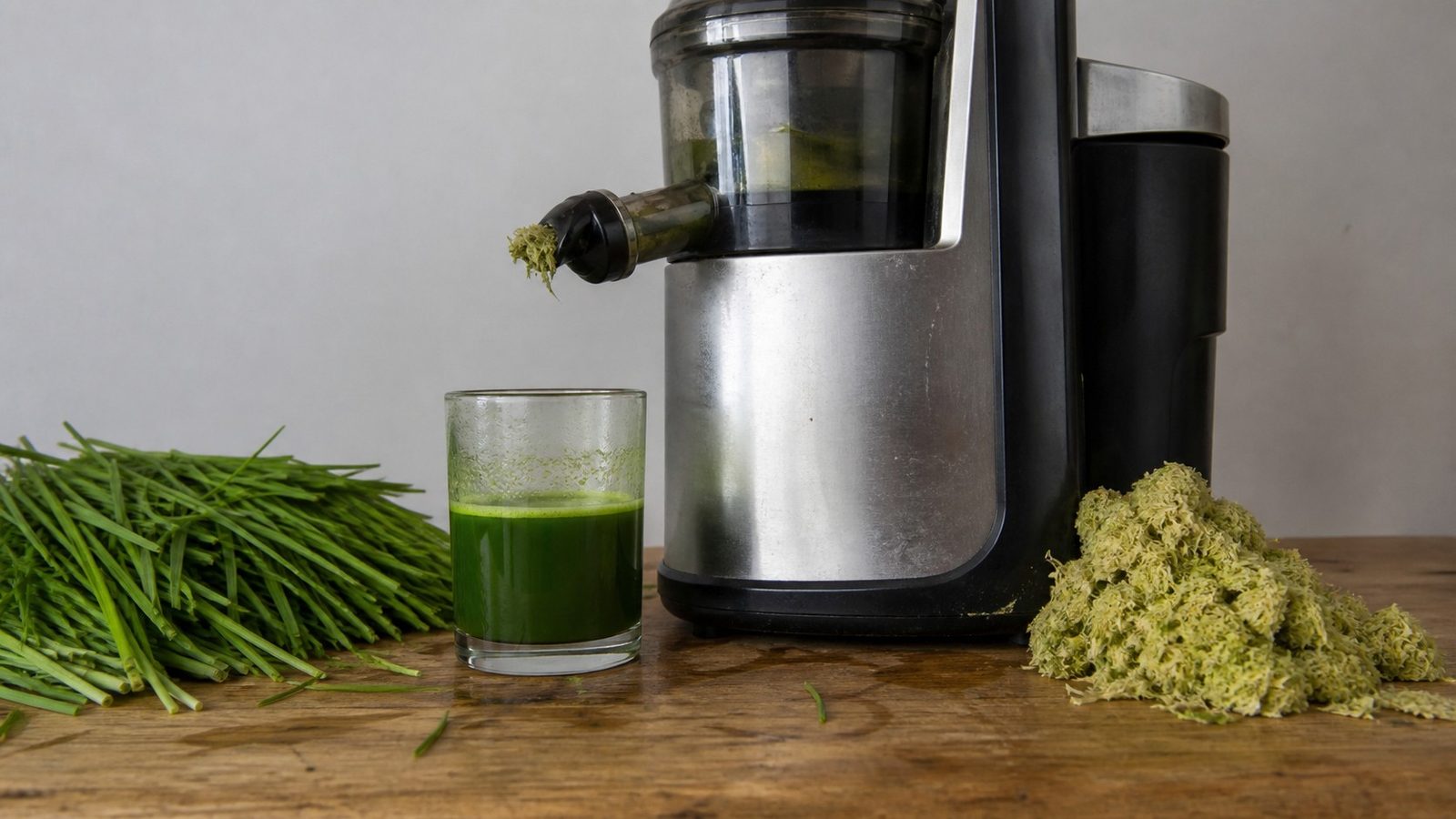
Juicing Microgreens: One Glass Is Three Quarters of a Tray
Nobody has measured how much juice a microgreen tray gives. The one published figure is a seller's, for wheatgrass, on a tray 23 percent larger than a 1020. Rescaled, a 240 mL glass is three quarters of a tray.
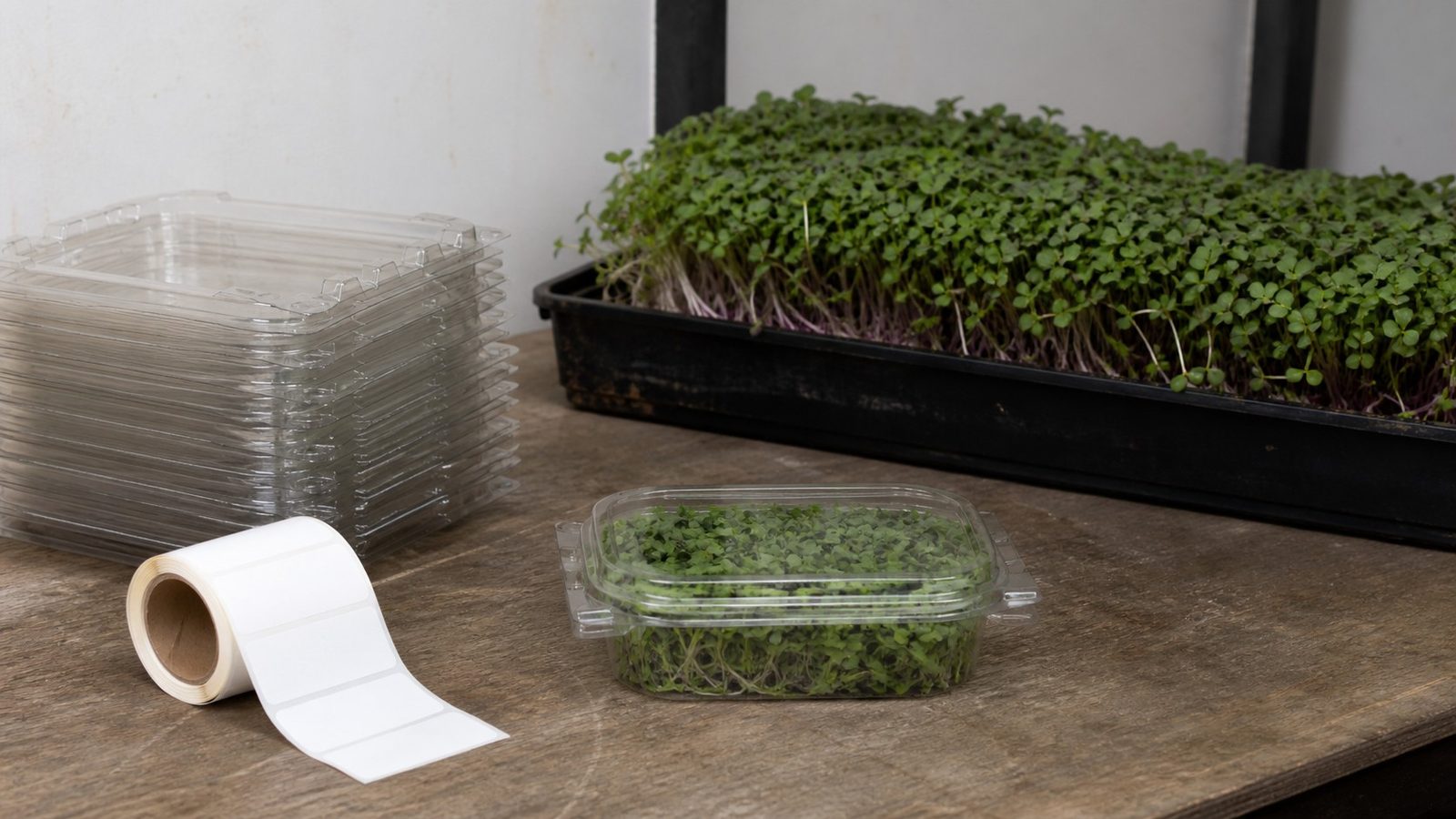
Why Microgreens Are Expensive: You Are Mostly Buying the Box
In the only full published tray budget, labels, packaging and marketing are 50 to 60 percent of what a tray costs to produce. Growing the plant is 17 to 23 percent, and the seed is under 10.