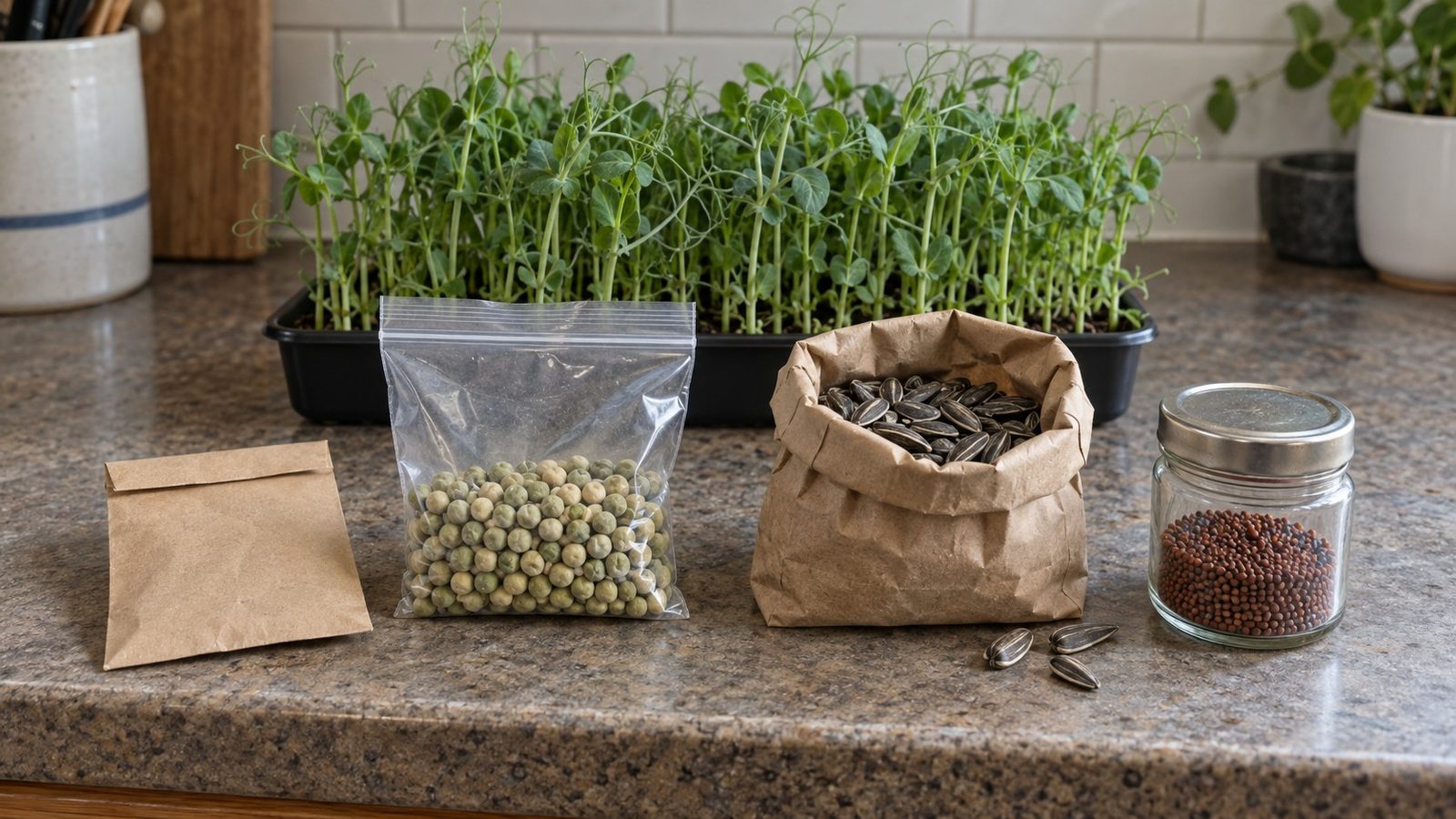
Microgreen Seeds vs Regular Seeds: What the Label Must Say
Microgreen seeds vs regular seeds: garden packets, dried beans, and birdseed follow different label rules. Know what to check before you sow any bag to eat.
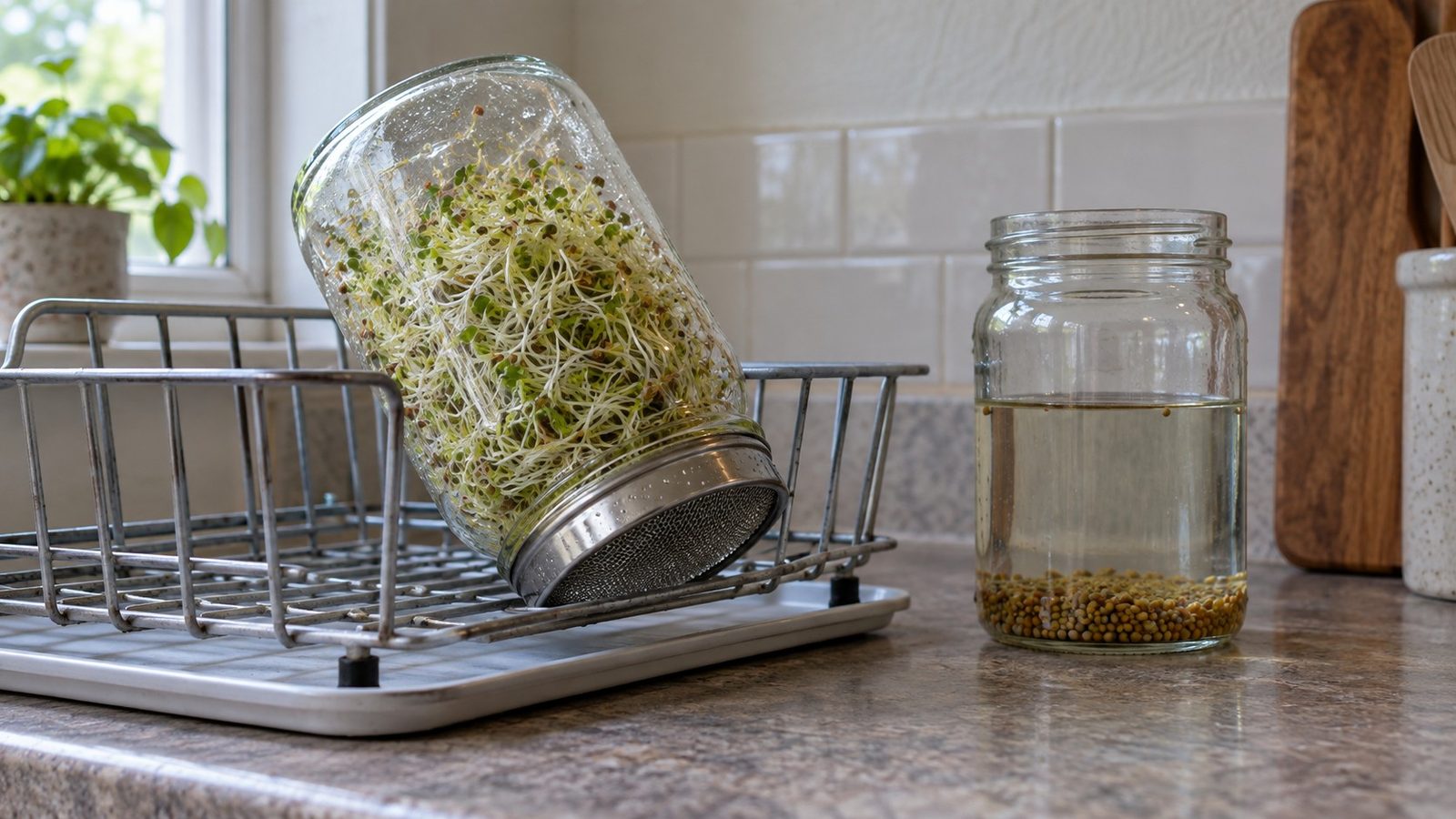
How to Grow Sprouts at Home: Steps, Timing and Safety
Follow the full jar method for how to grow sprouts at home, with soak and rinse timing, harvest day, storage rules, and who should avoid eating them raw.
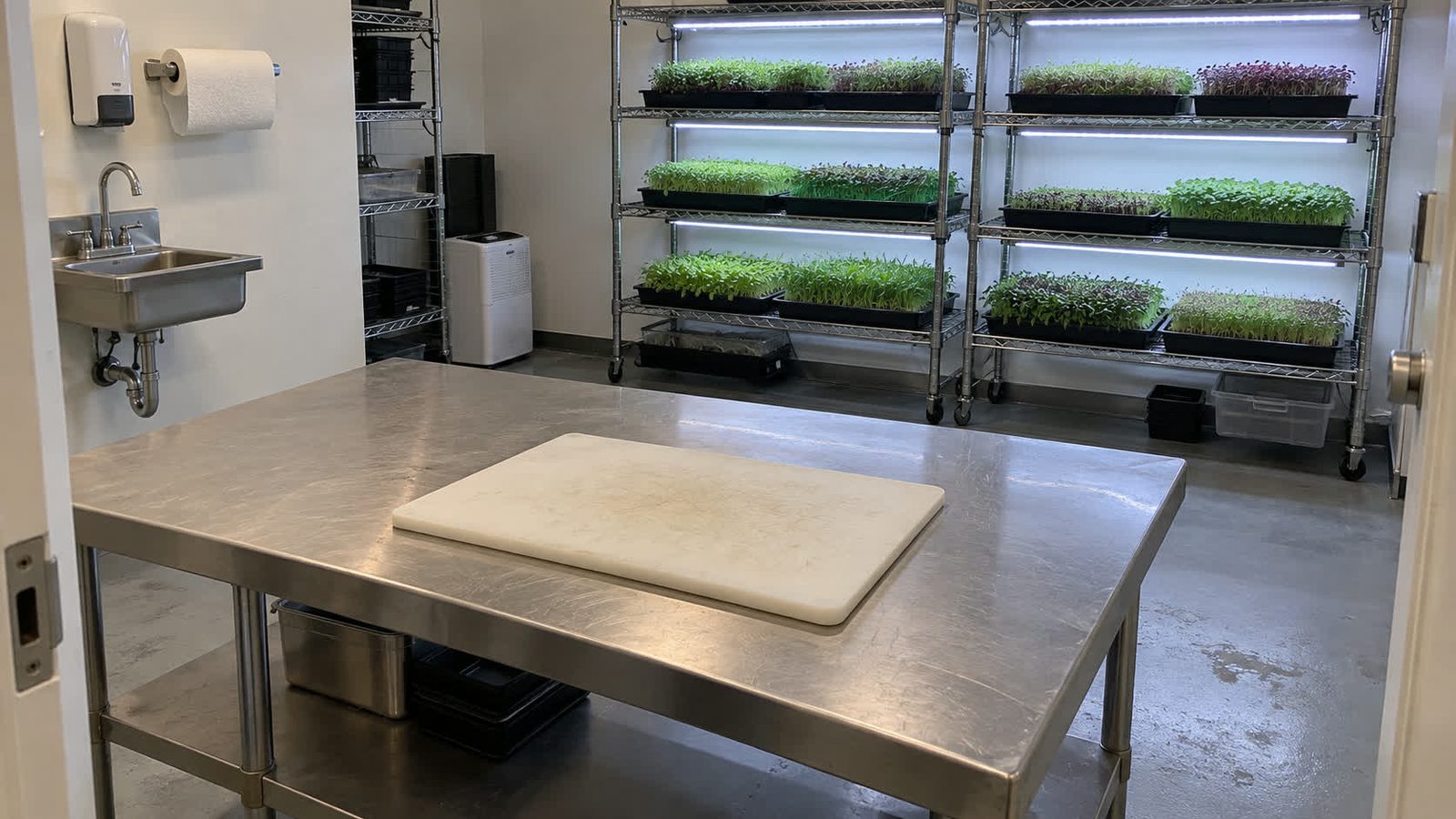
How to Write a Microgreens Food Safety Plan
Build a microgreens food safety plan section by section, pick a free template to start from, and know which records buyers, markets and audits expect.
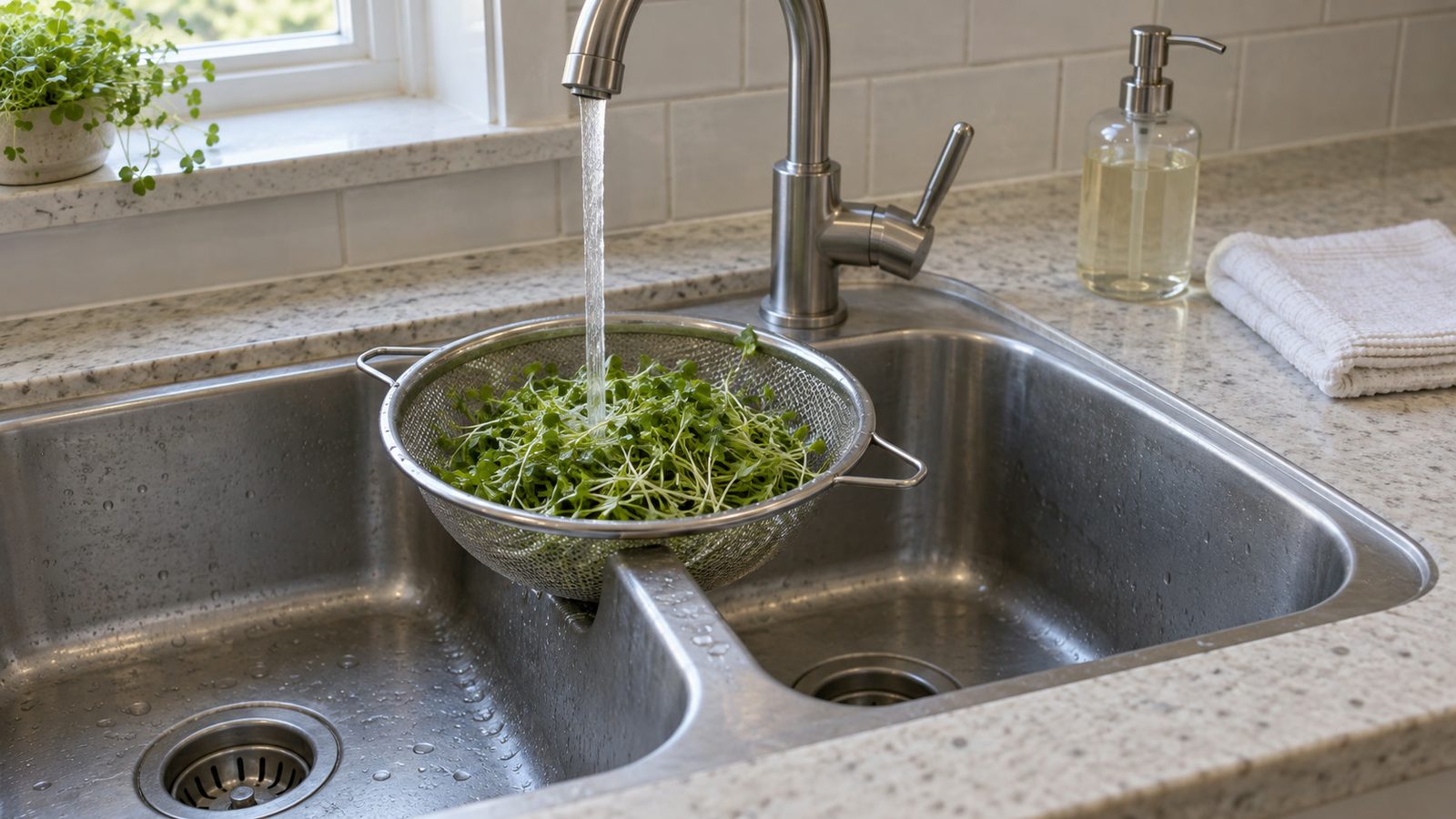
Are Microgreens Safe From Cyclospora?
Are microgreens safe from cyclospora? Learn how the parasite spreads, what washing and cooking do and do not do, and the steps that matter at home.
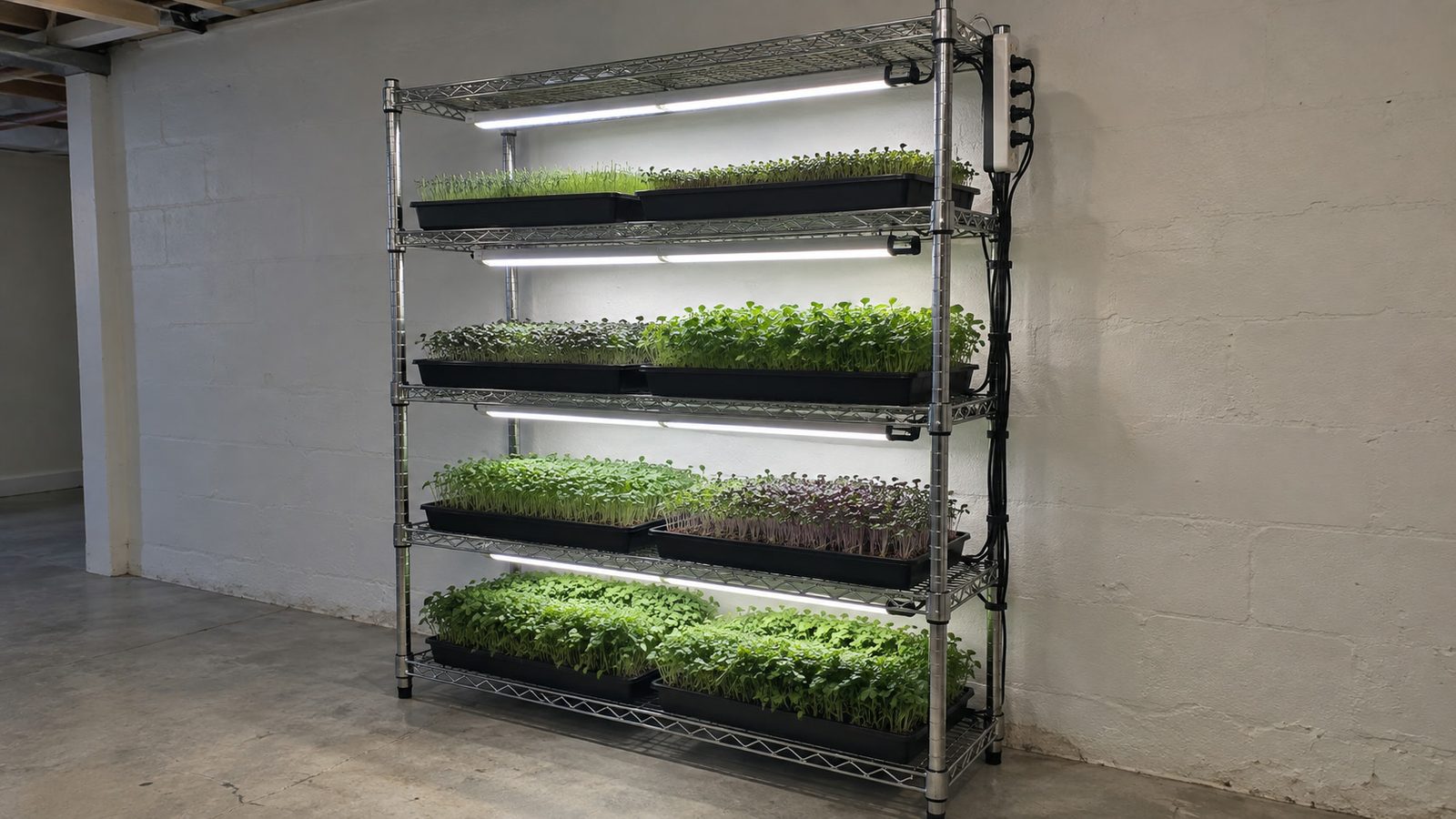
Are Grow Lights a Fire Hazard? A Checklist for Tonight
Wondering if your grow lights are a fire hazard? Add up the actual watts and amps on your rack, then check them against your circuit and timer limits tonight.
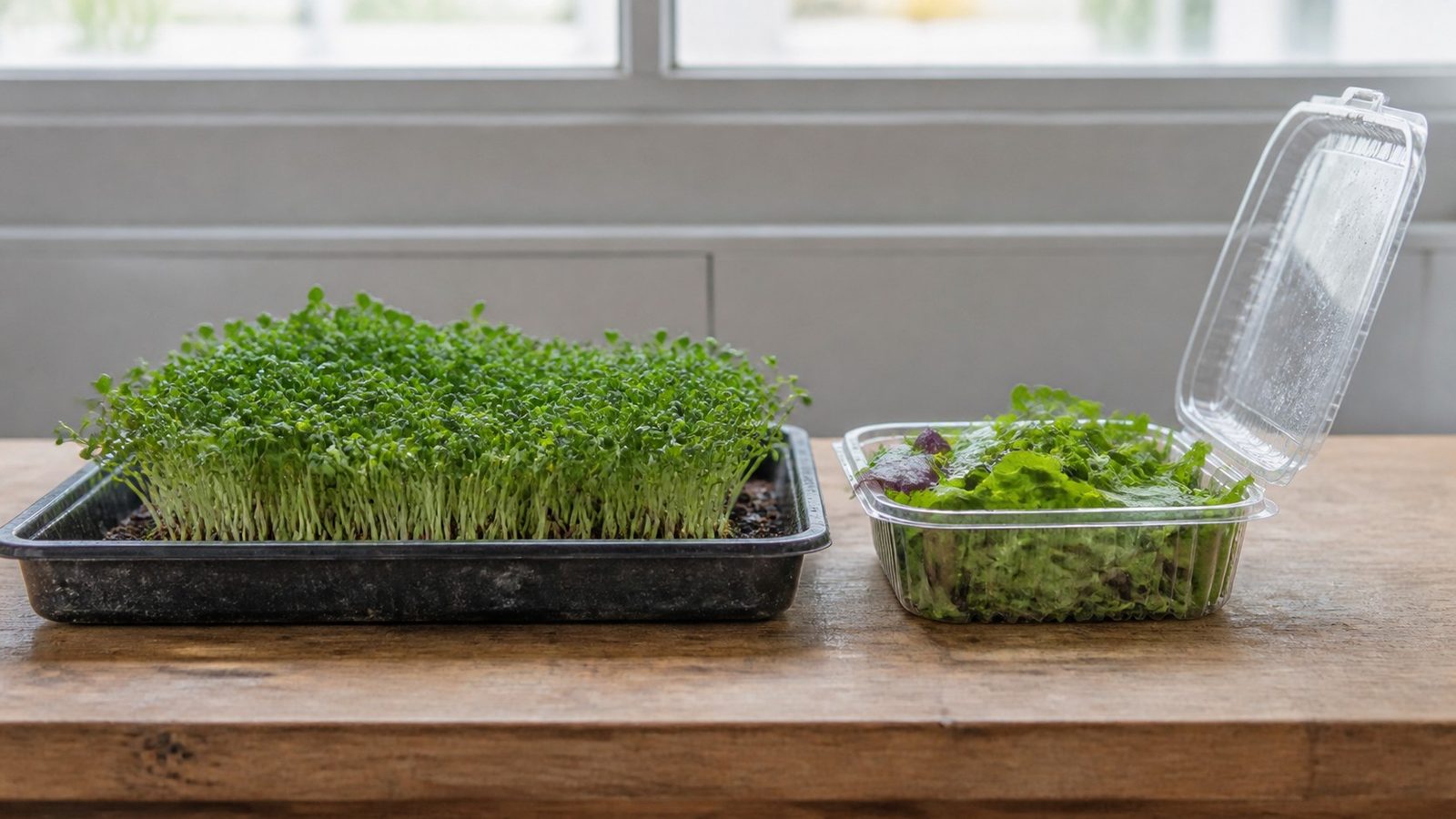
Is Homegrown Safer? What the Produce Recalls Actually Change
Partly, and not for the reason people think. Growing your own does not remove contamination risk, it moves it onto seed, substrate and water, which are three things you can act on. And one tray is one to two days of one adult's vegetables, not a replacement.
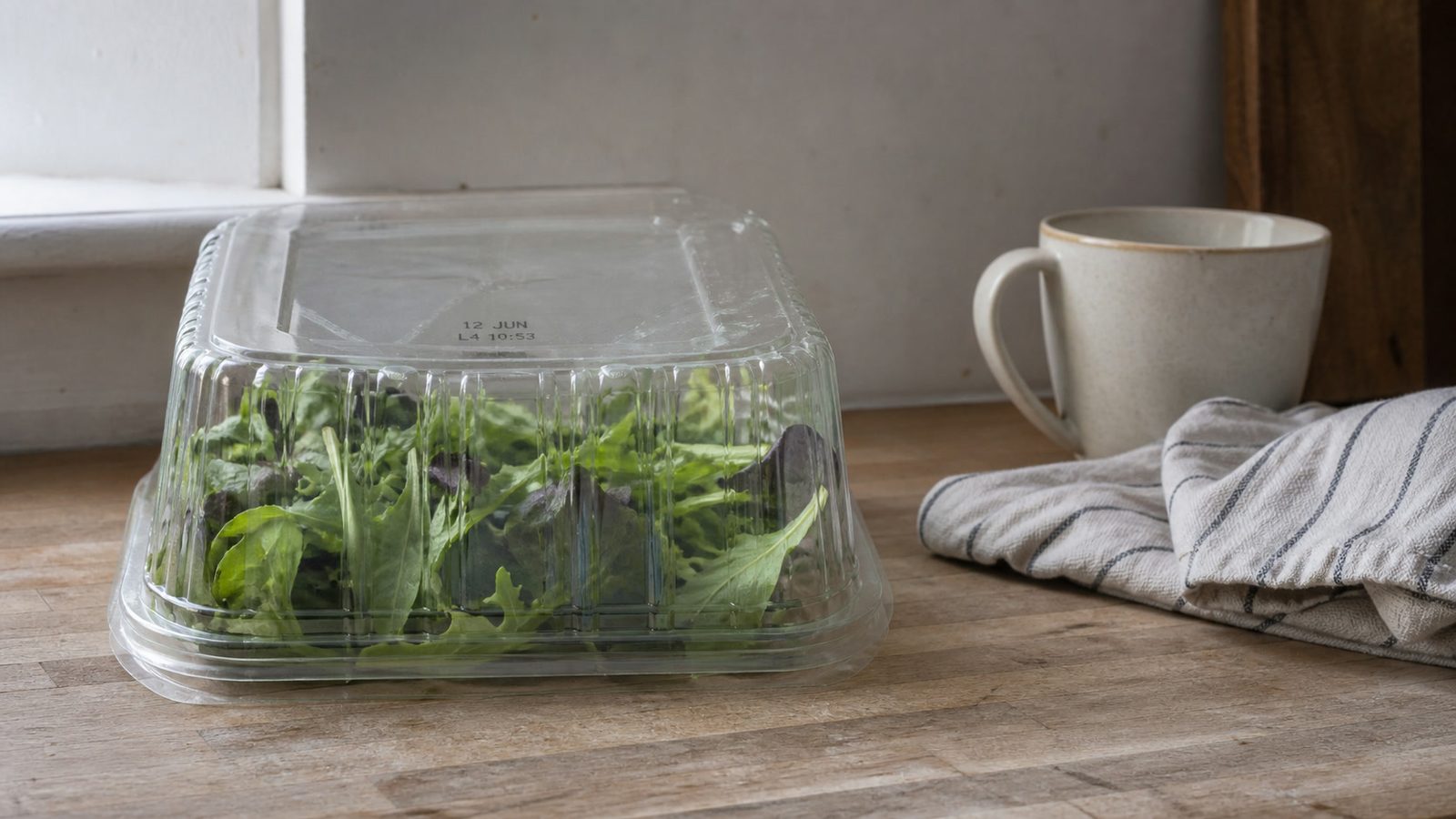
Is That Recall Real? How to Check Before You Throw Food Out
A recall post going around may be years old, and two of the salad recalls that spread in 2026 are really from 2021 and 2023. Here is the two minute check, on the agency record, before anything goes in the bin.
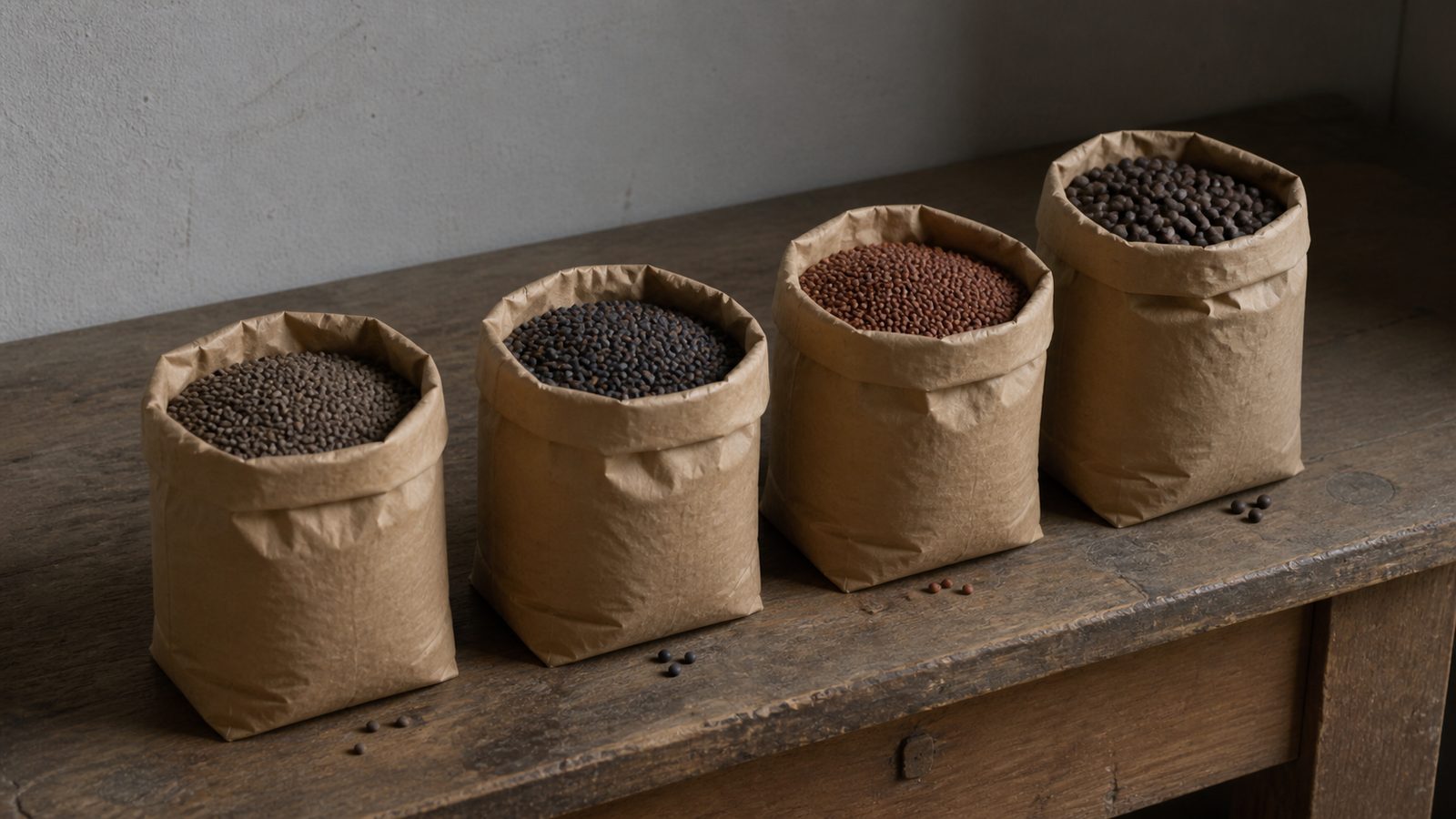
Four Bags Labeled Kale, Two Species and a 227 Percent Price Gap: How Microgreen Seed Actually Gets Named
Federal law makes a seed packet state its kind and variety, not its species. One catalog's four kale microgreen listings span two different species and $25.73 to $84.25 a pound.
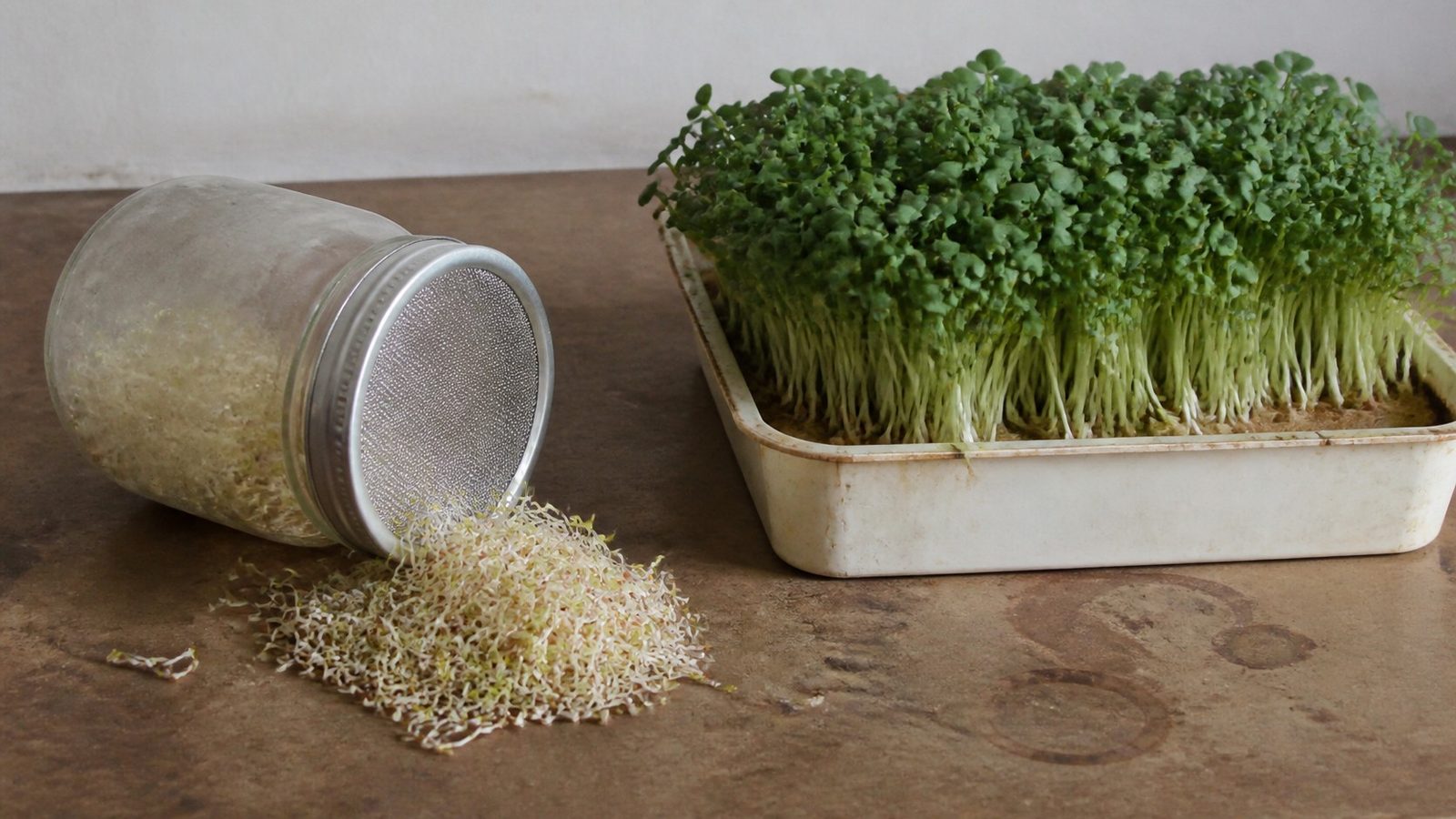
Microgreens vs Sprouts: The Difference Is a Cut, Not a Nutrient, and It Decides Which Federal Rule Applies
A sprout is eaten whole, a microgreen is cut above its roots, and that cut decides whether FDA's sprout rule applies. The nutrition claim used to rank them was measured on mature vegetables.