The test bench
Equipment reviews
What to buy for trays, lights, domes, racks and storage, and where the cheap option is genuinely the right one. Each category is checked against what anyone has actually measured, and says plainly when nobody has.
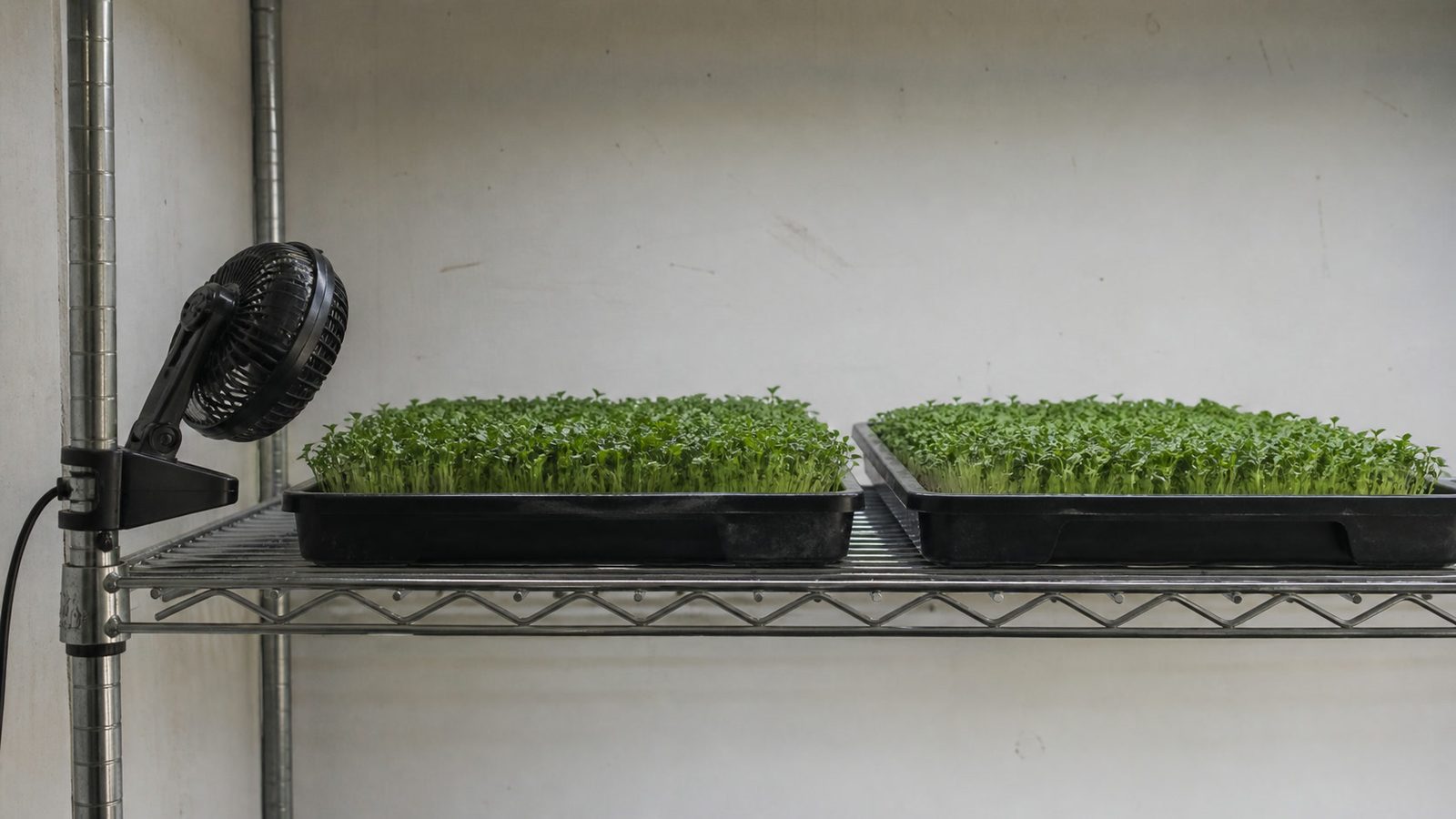
Fans for Microgreens: Buy a Small Clip Fan, and Check the Watts Not the CFM
Nobody makes a fan for microgreens. The only airflow figure ever published for this crop would take 4.1 of the biggest clip fan here, or 11.7 duct fans. The anemometer that would settle it costs less than the fan.
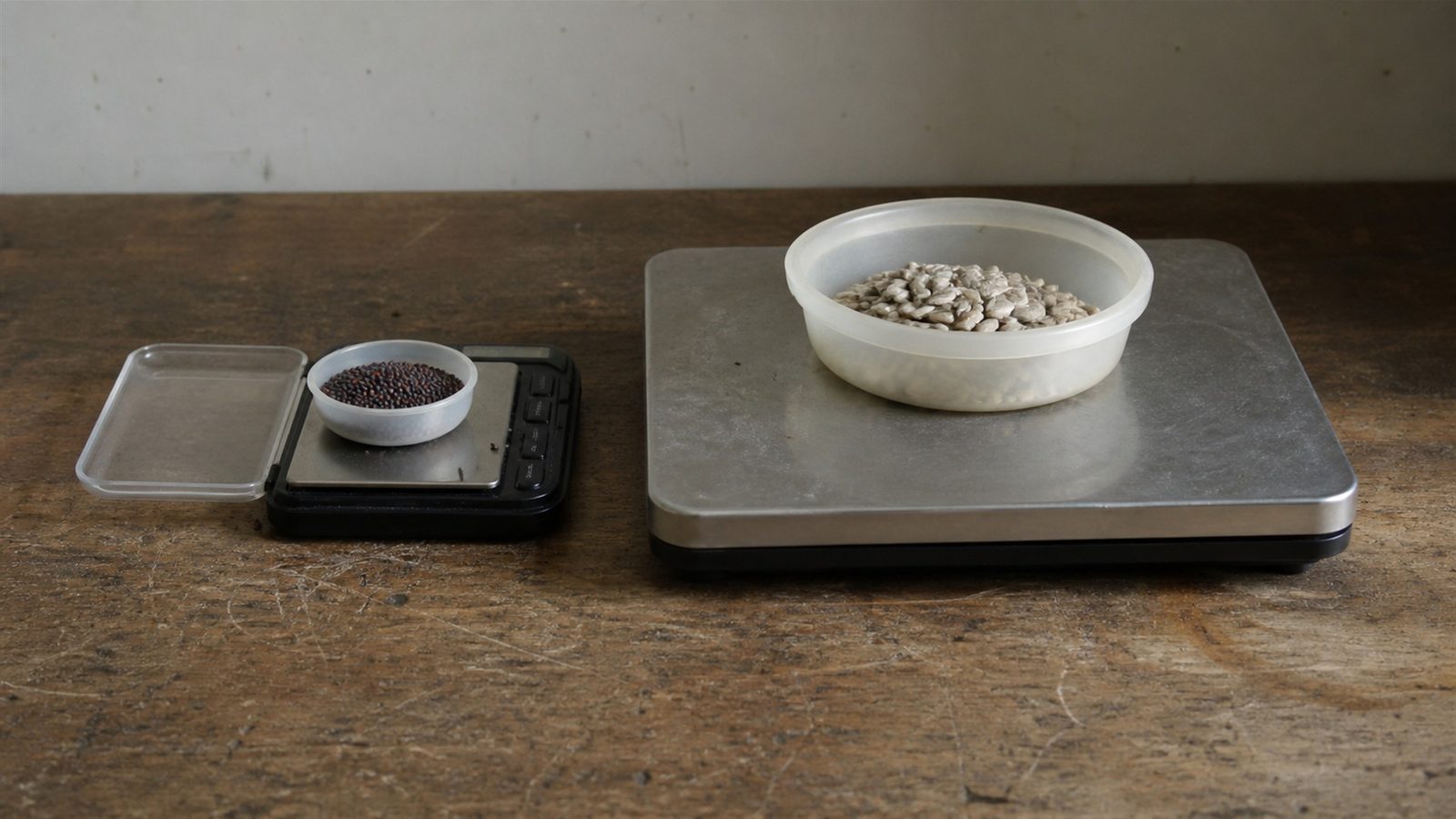
Scales for Microgreens: The $460 Balance Publishes No More Than the $19 One
Seed rates here run 1.1 to 450 grams a tray, a 409-fold range. One scale covers all of it for about $19, and neither it nor a $460 balance publishes the one specification that would let you trust either.
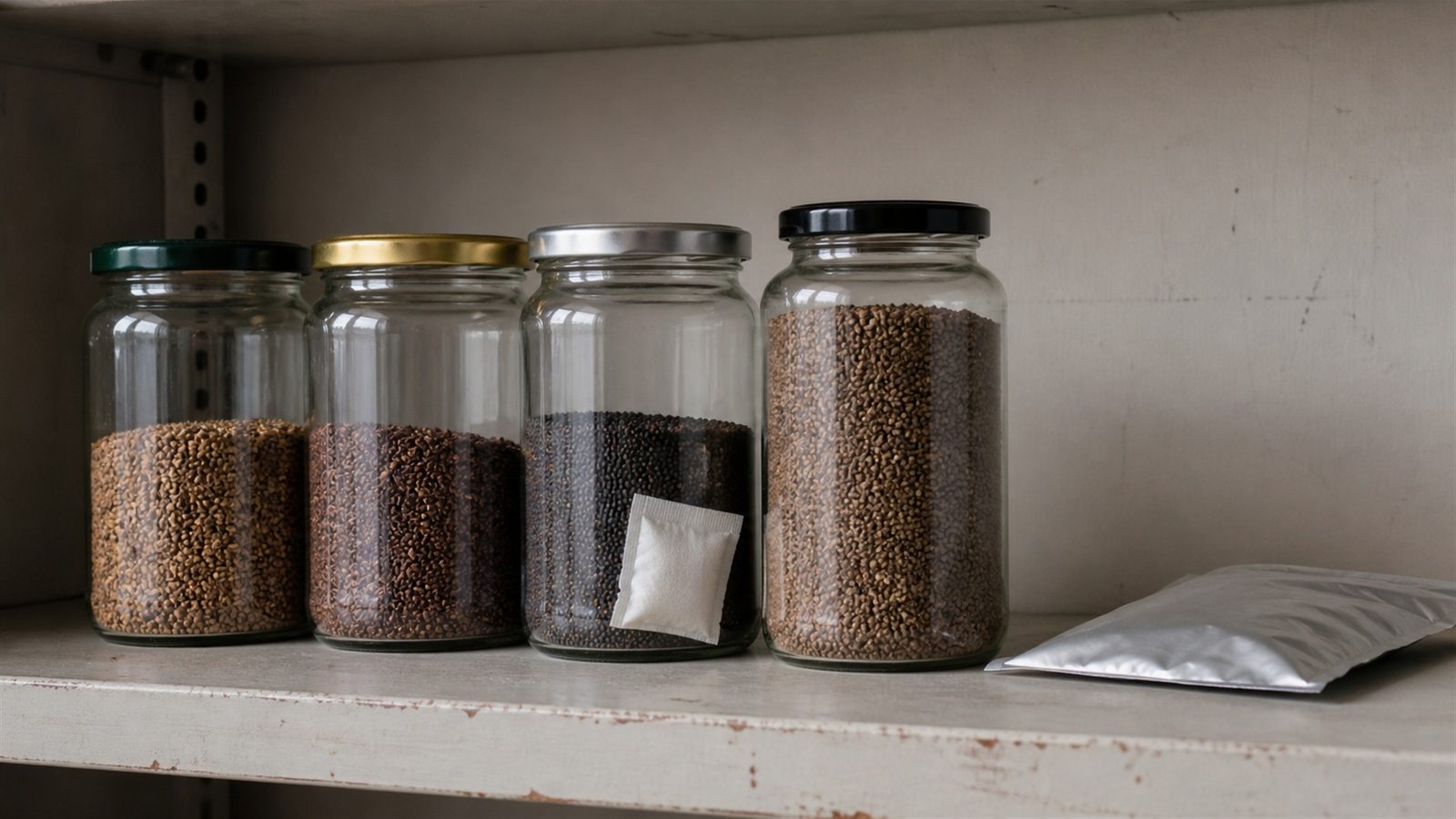
Seed Storage for Microgreens: For 17 Crops the Container Costs More Than the Seed
A $0.92 container has to save three trays of turnip seed to pay for itself, or a tenth of a tray of barley grass. Nothing sold as airtight publishes a test, and a seal locks in whatever state the seed is already in.
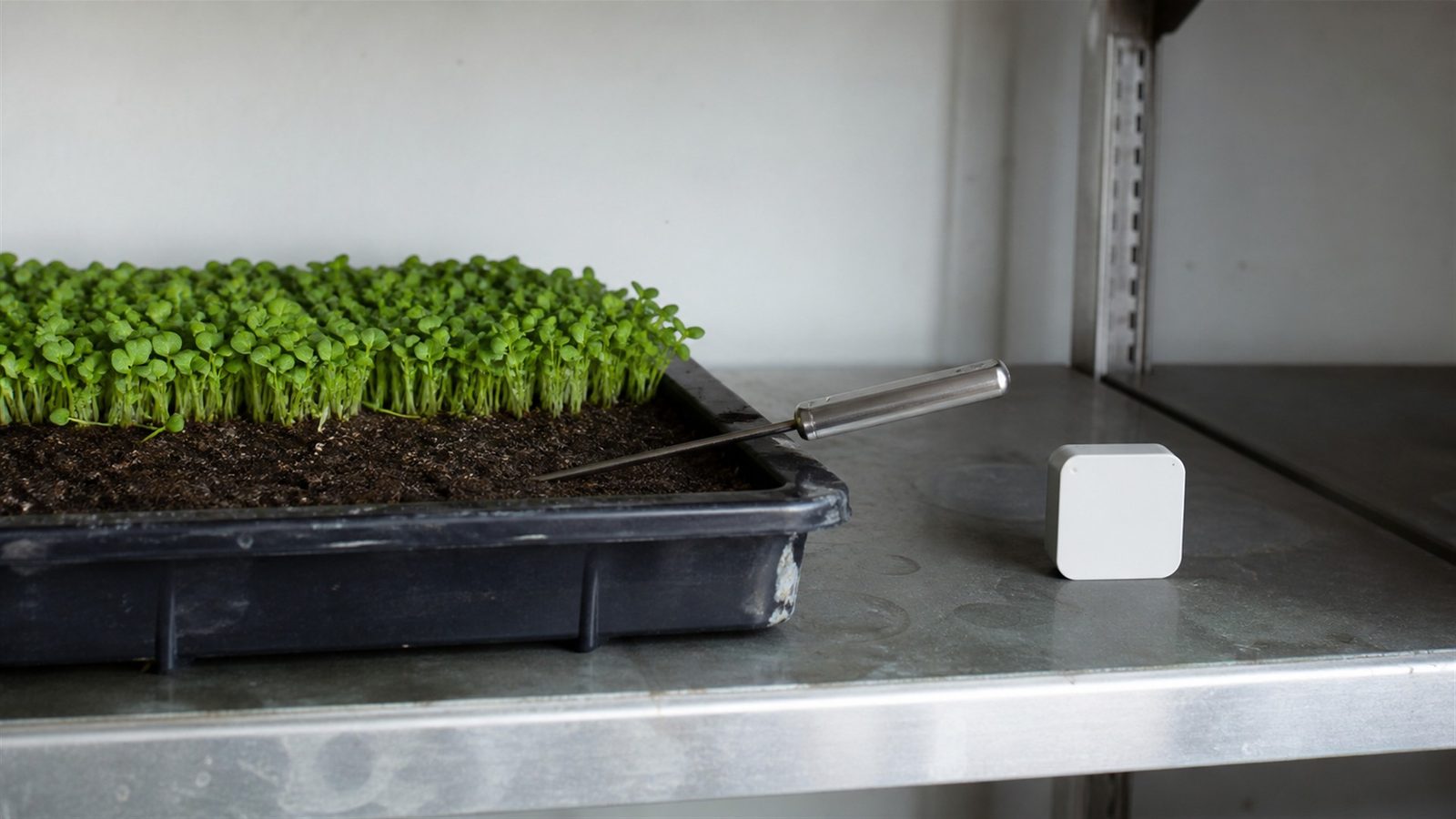
Thermometers and Hygrometers for Microgreens: One for the Medium, One for the Room
Temperature has to be read in the medium at seed depth. Every instrument sold for the job reads air, and of ten product pages opened, exactly one publishes where its sensor actually sits.
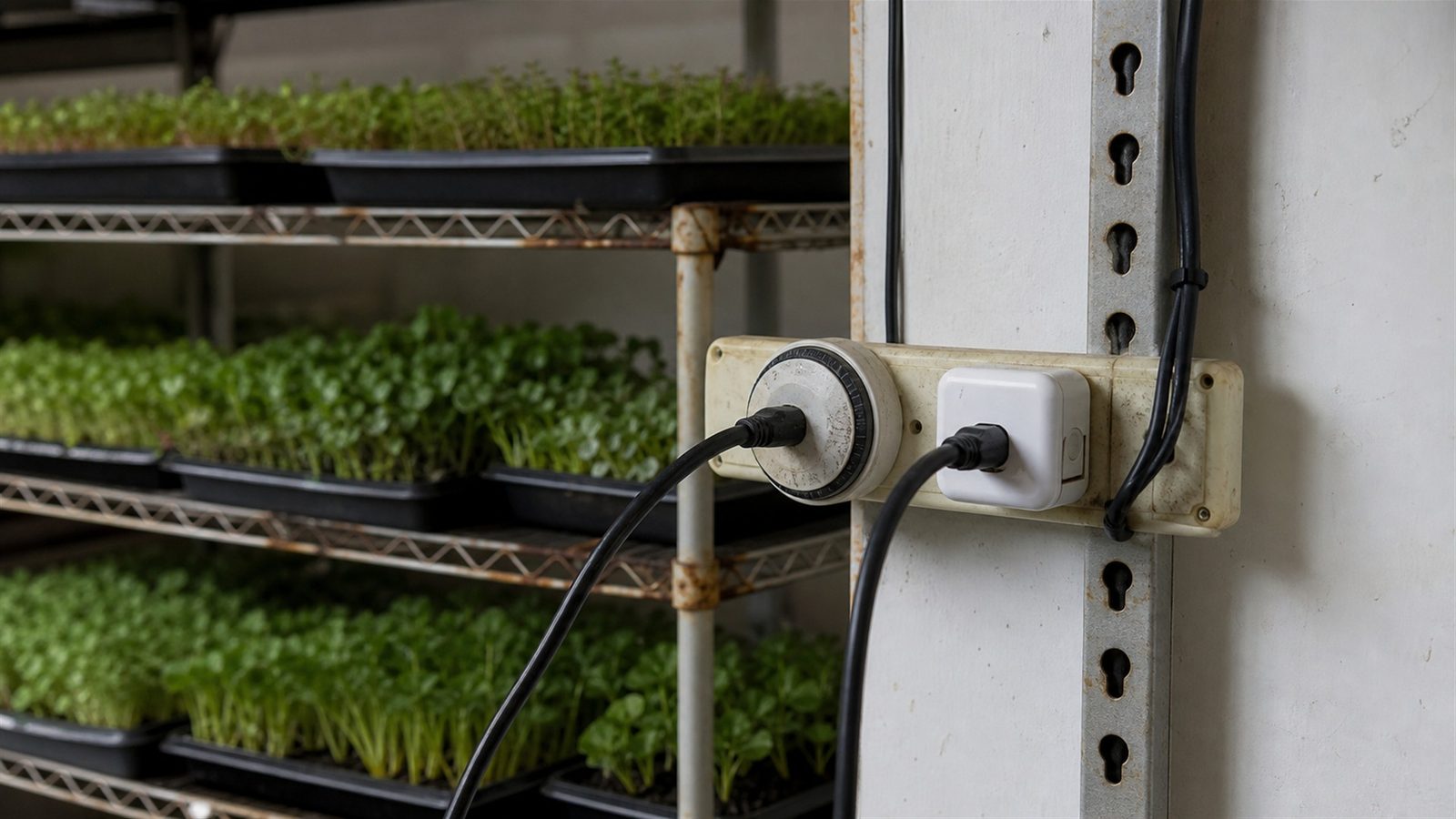
Timers for Microgreens: The Same $8 Timer Pays Back in Two Months or Four Years
What a timer saves you depends entirely on the wattage of the thing it switches, and the three guides that recommend one never mention load. That same missing number is also the safety number.
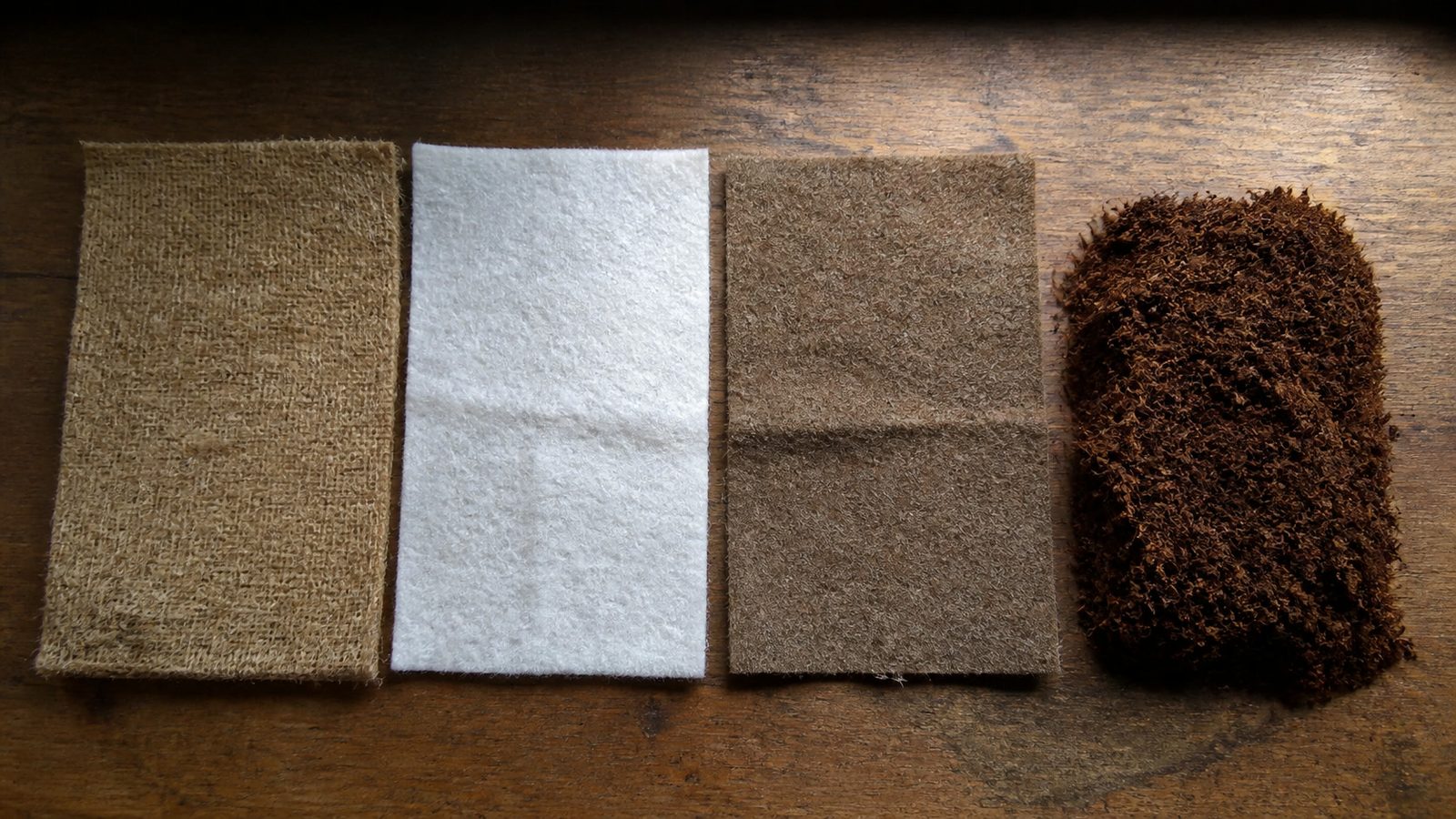
Microgreens Growing Medium: The Mat Often Costs More Than the Seed
Single-use mats run $1.18 to $3.85 a tray. The median costed crop takes $1.08 of seed, so on 27 of the 50 costed crops the cheapest mat costs more than the seed. No study establishes one best medium.
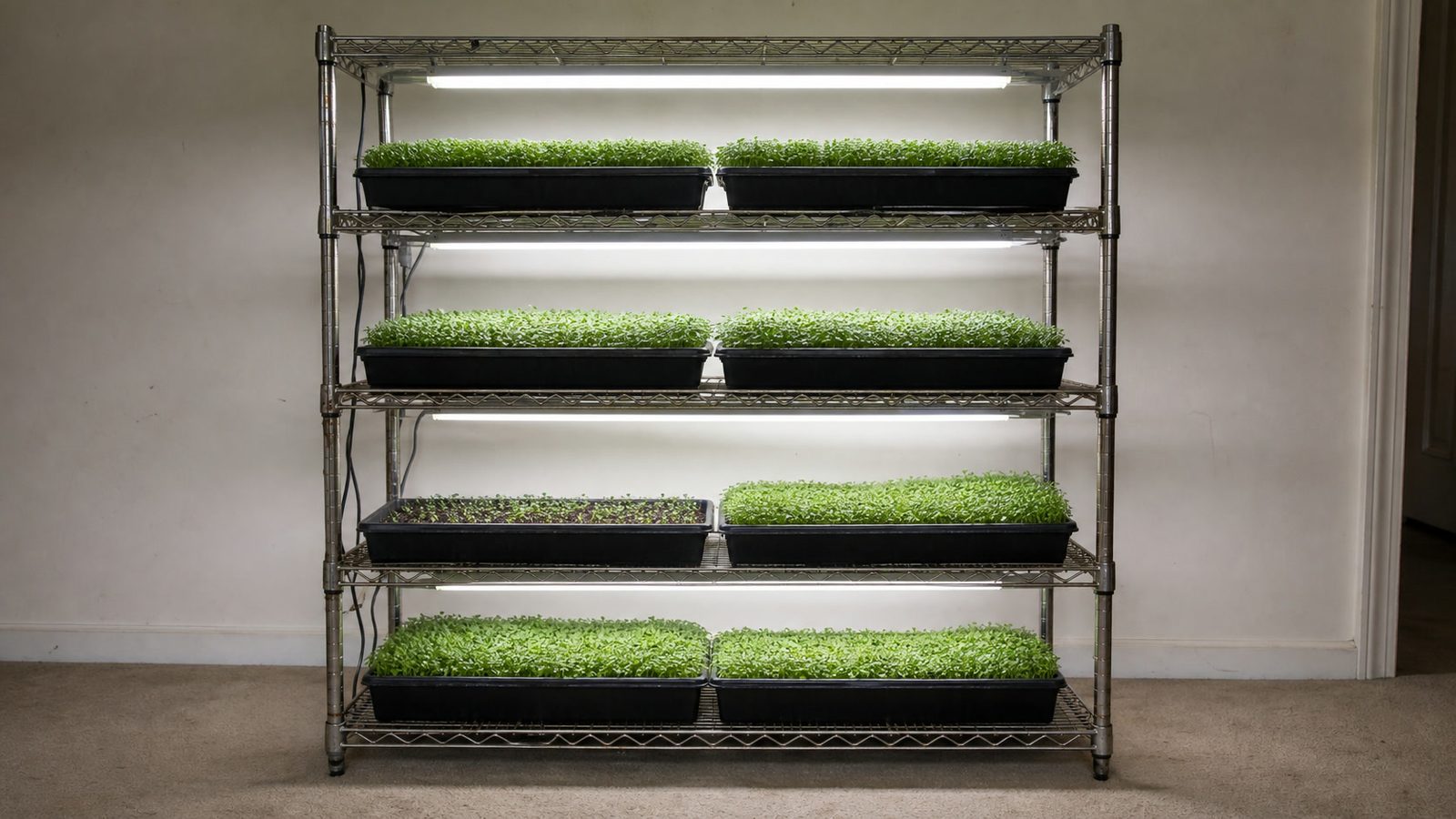
Microgreens Shelving and Racks: Tiers Are Not Growing Levels
A 48 by 24 by 72 inch adjustable wire rack from $89.99 is the whole answer for most growers. Adding tiers to the same frame trades away the light distance extension guidance asks for, by the sellers' own clearance numbers.
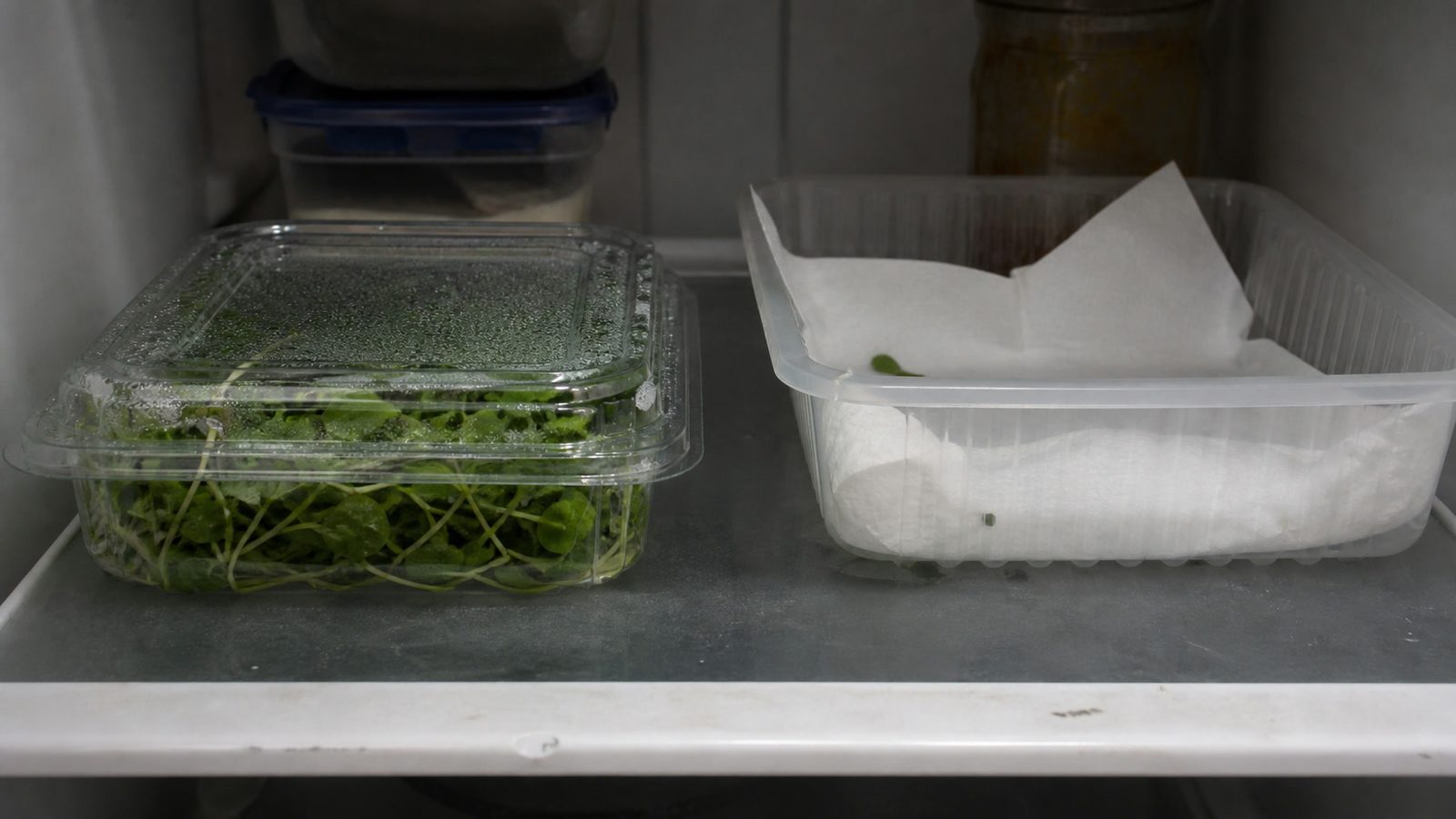
Microgreens Storage Containers: The Package Is Not the Variable
No retail microgreen container has a published shelf-life result at a stated temperature. Deli cups run 10 cents, clamshells start at 16.5 cents, and the two things that actually move the number are how cold the fridge is and how dry the crop went in.
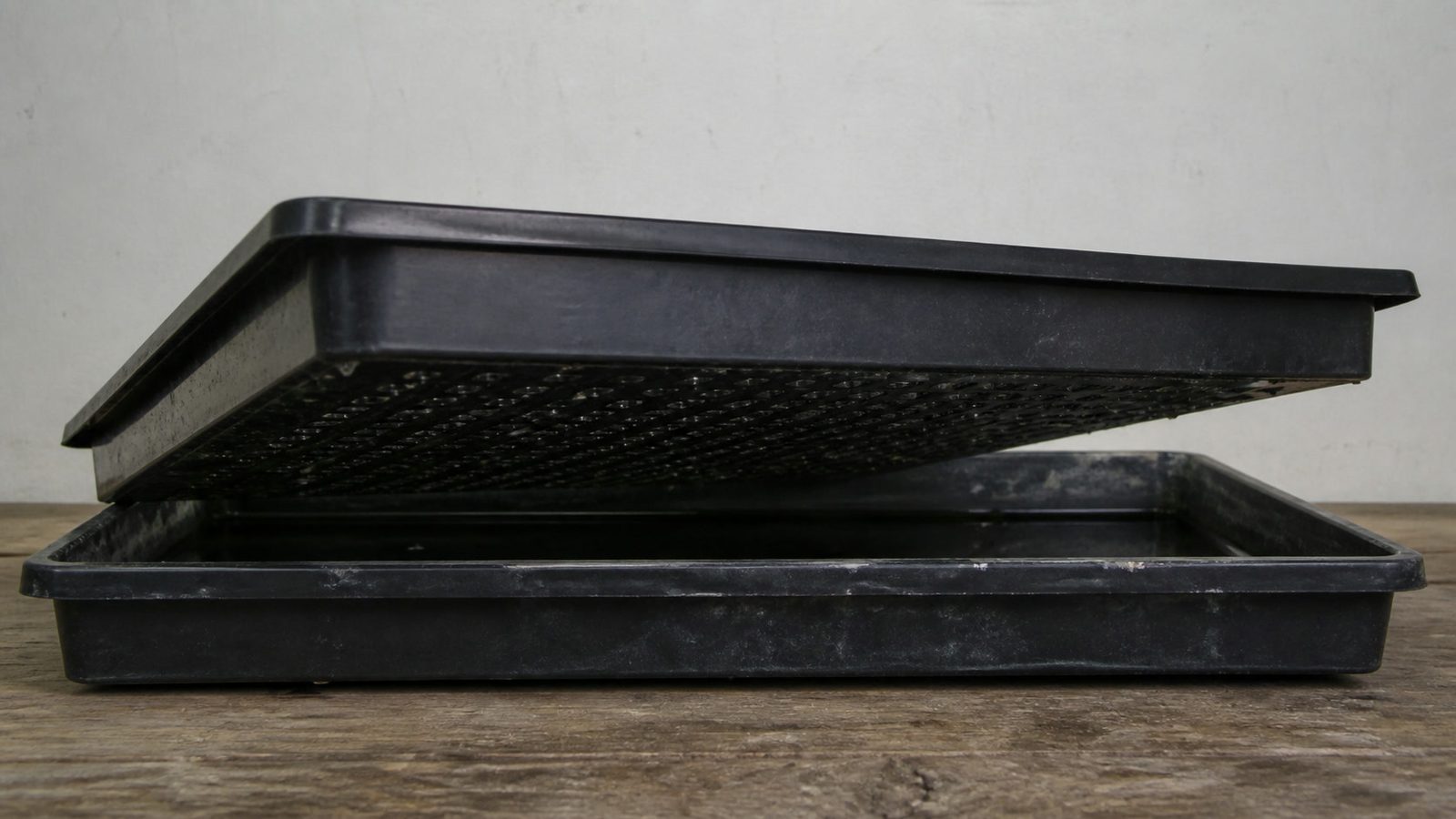
Microgreens Watering Systems: Bottom Water With Two Trays, and What to Buy
A perforated tray over a solid one, filled by hand, from about $11. No source publishes water volume per tray per day for any crop or any product, so every cup figure you have been given is one grower's habit.
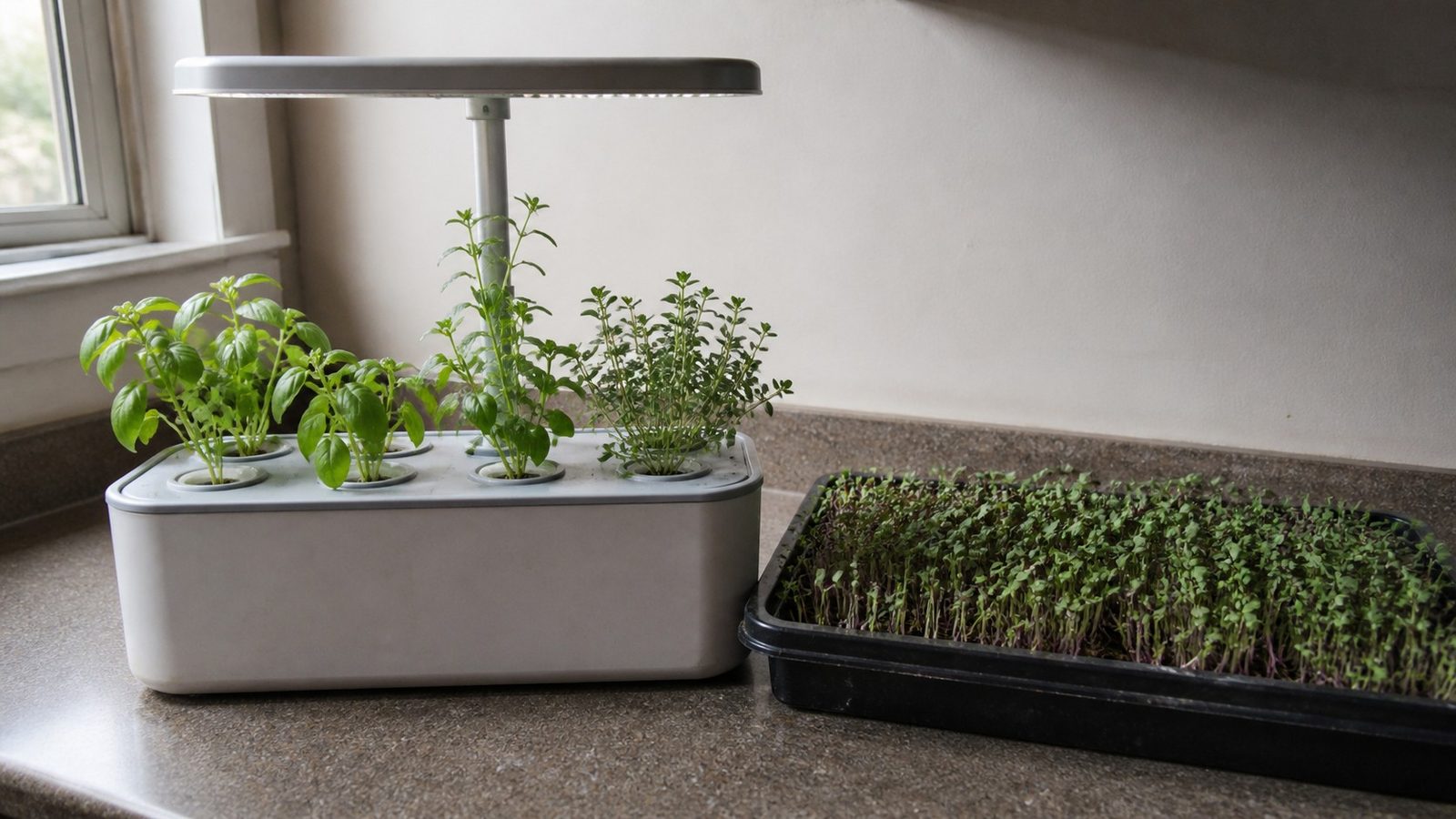
AeroGarden and Countertop Pod Gardens for Microgreens: Is It Worth It?
Pod count is holes for separated mature plants, not dense tray area. A $30 tray kit gives you more sowing surface for microgreens than a $250 pod garden.
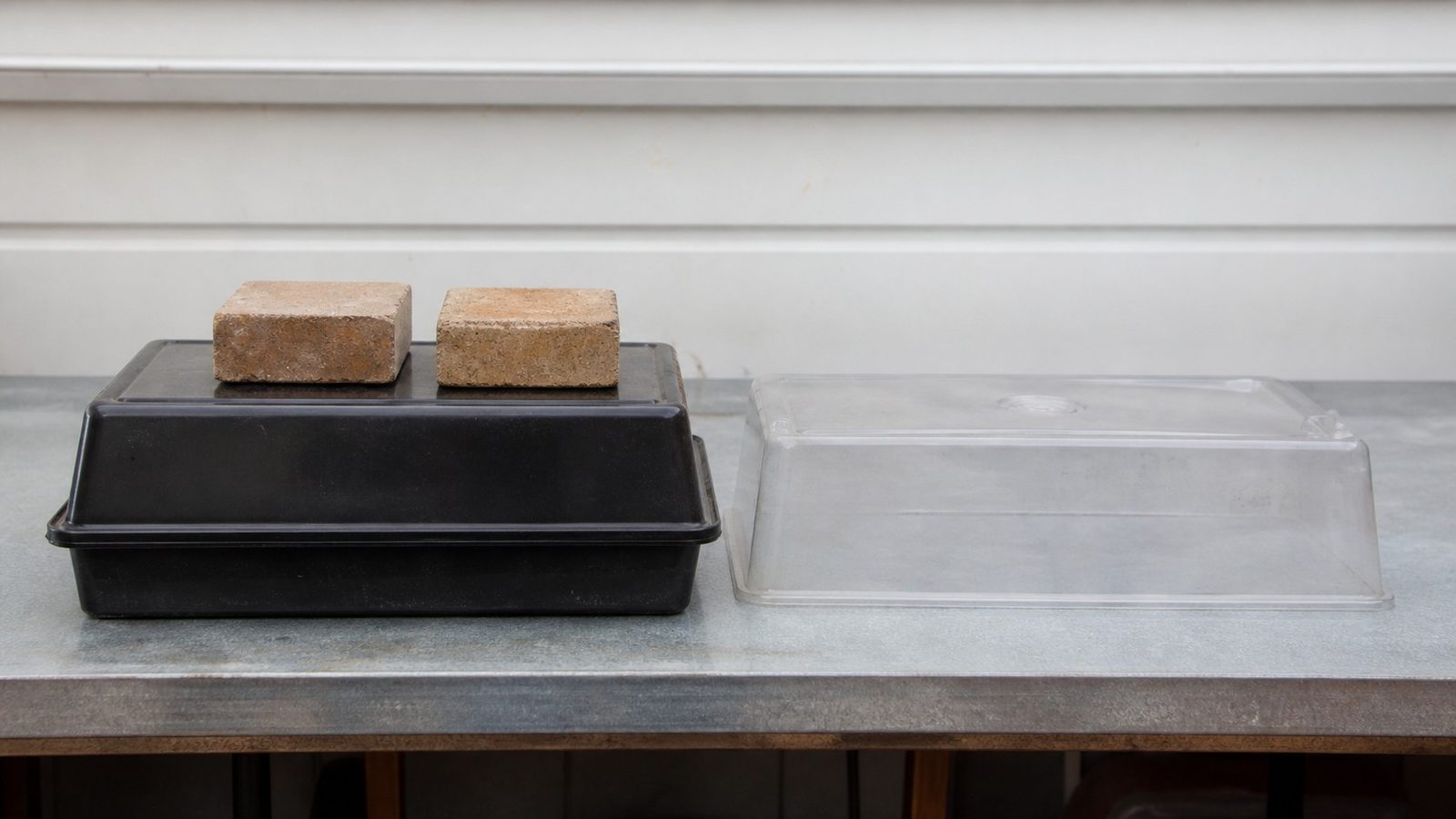
Microgreens Humidity Domes: The Free Alternative Beats Most of Them
A second 1020 tray and a few pounds of weight gives darkness, moisture retention and the seed-to-medium contact a dome cannot. Even the sellers say to take the dome off.
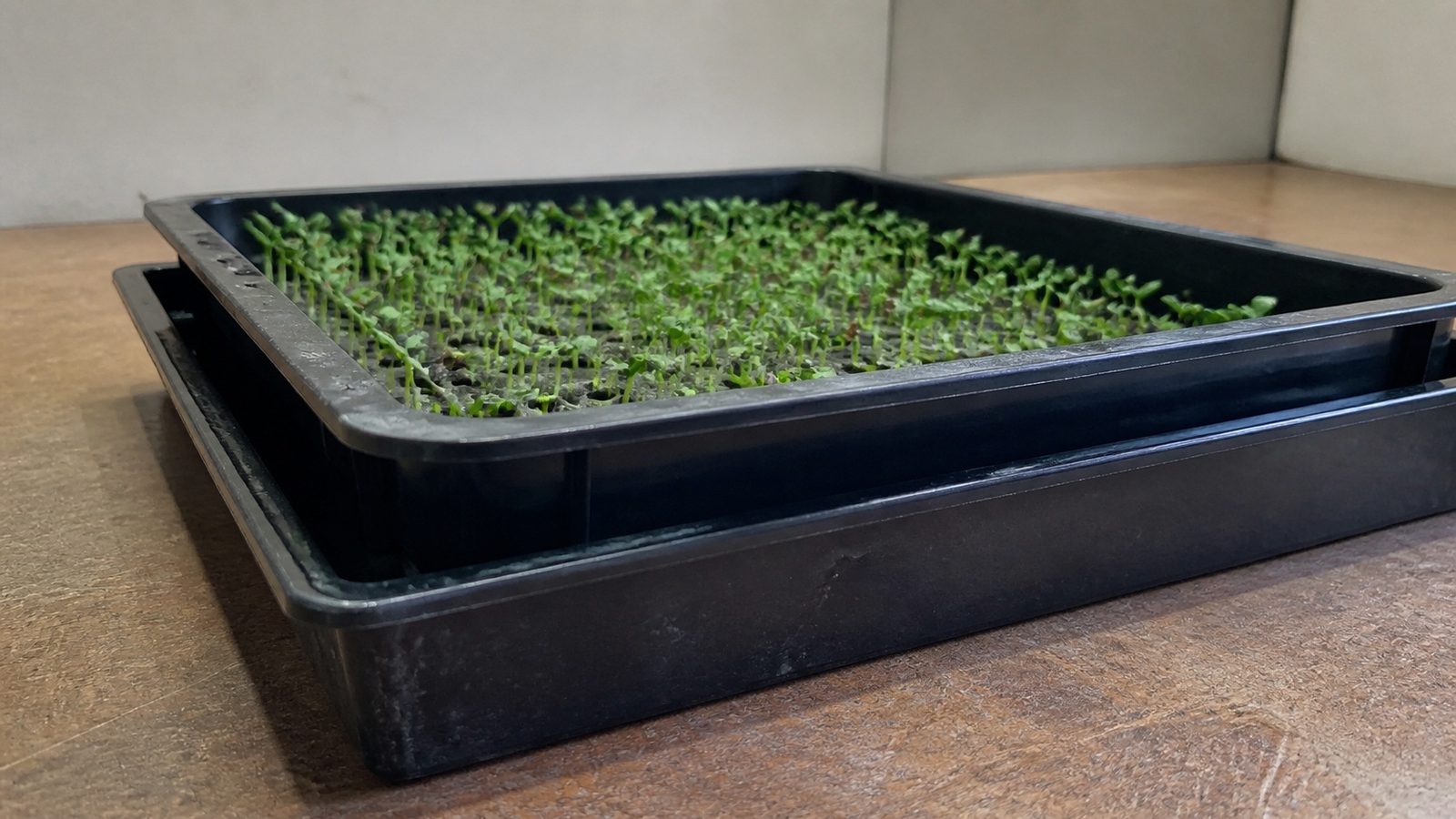
Microgreens Trays: A Water Management Tool, Not a Yield Upgrade
Two matched 1020s, one with holes and one without, from $5.78. Nobody has published reuse-cycle evidence showing when a premium tray pays for itself, and BPA-free is not a food-contact certification.
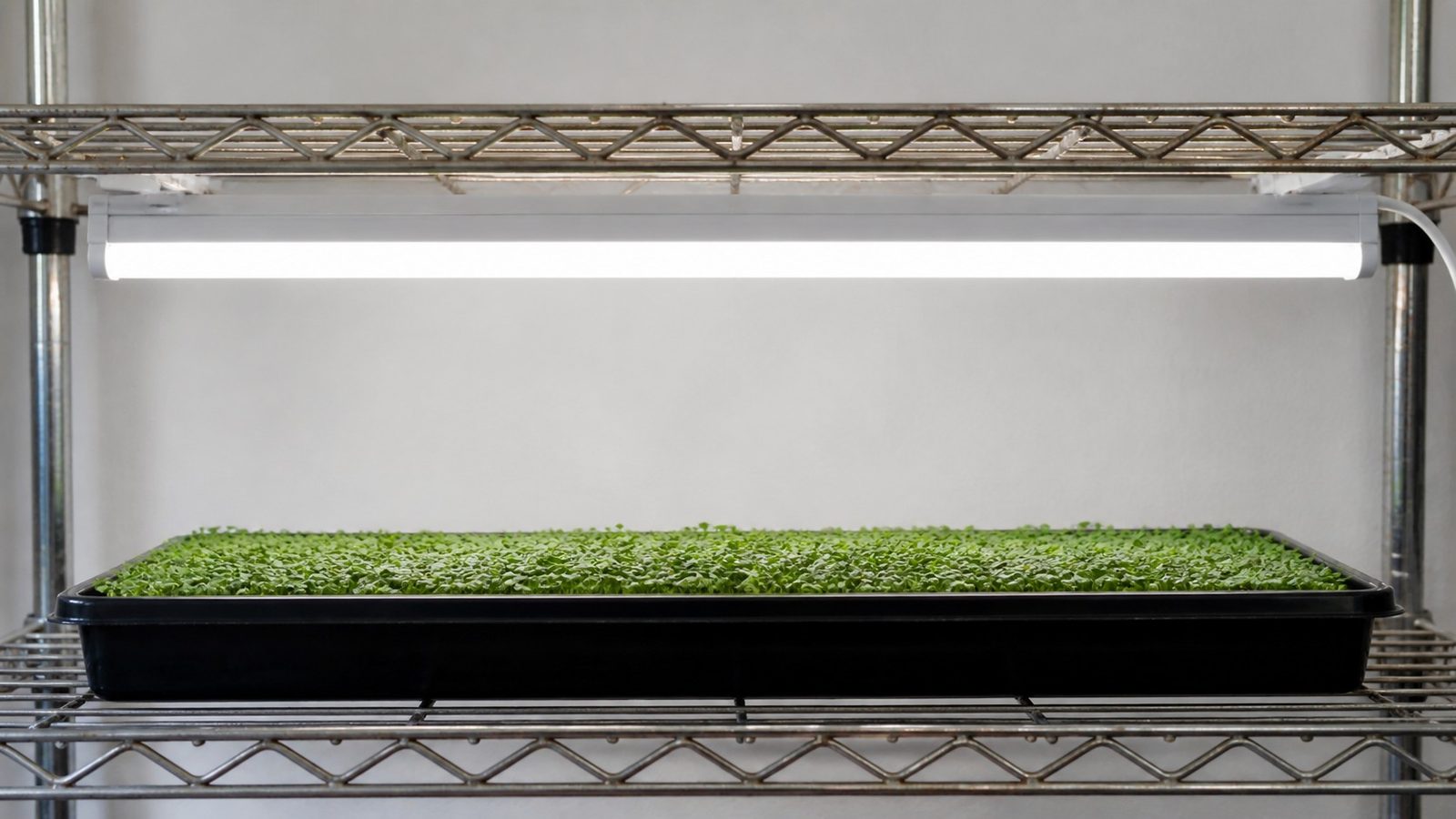
The Best LED Grow Lights for Microgreens: What to Buy, and the Order to Buy It In
Buy an ordinary white LED strip sized to your shelf, put it on a timer, and spend the difference on seed. Then measure your own tray, because no fixture sold for microgreens publishes a reading across one.
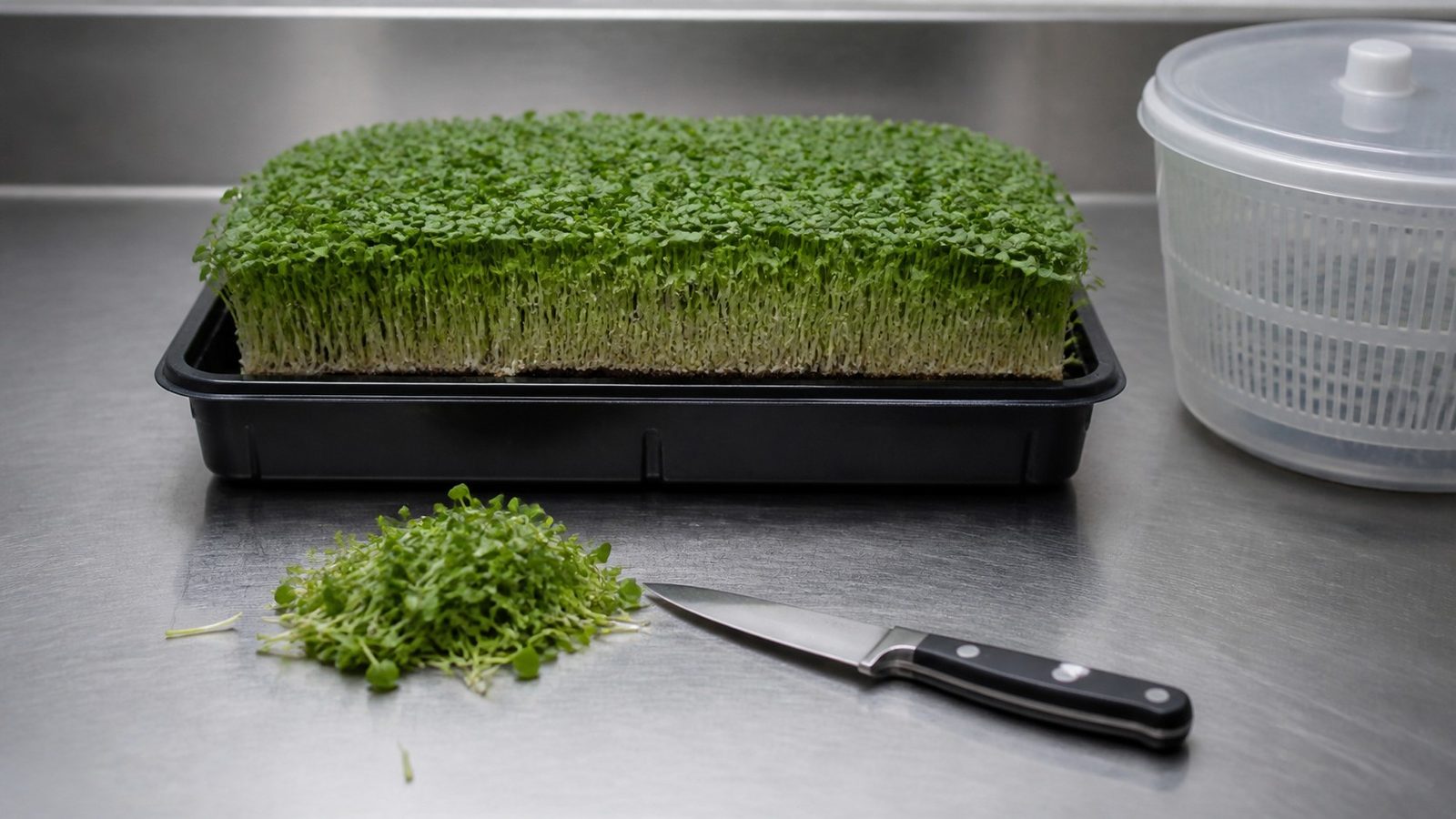
The Best Salad Spinner for Microgreens, and the Question to Answer First
The first buying decision in this category is not which salad spinner. It is whether to wash at all, and for microgreens you are storing or selling, three extension services say do not.